
Last updated September 22, 2026
Level 1 sweep and inspection to the NFPA 211 annual standard - flue, crown, cap, and flashing checked and photographed
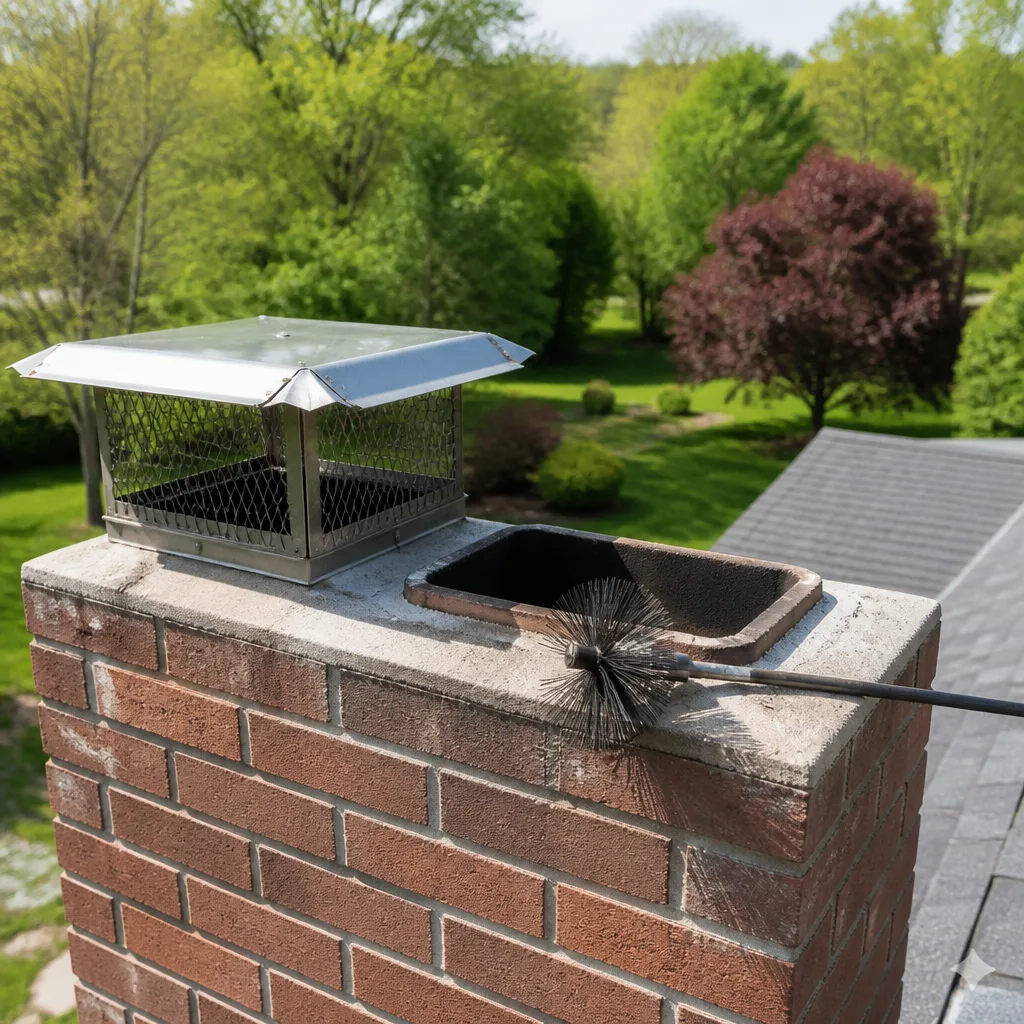
Chimney sweep logs do not sweep chimneys. They loosen some creosote - which then falls where a brush and vacuum still have to collect it.
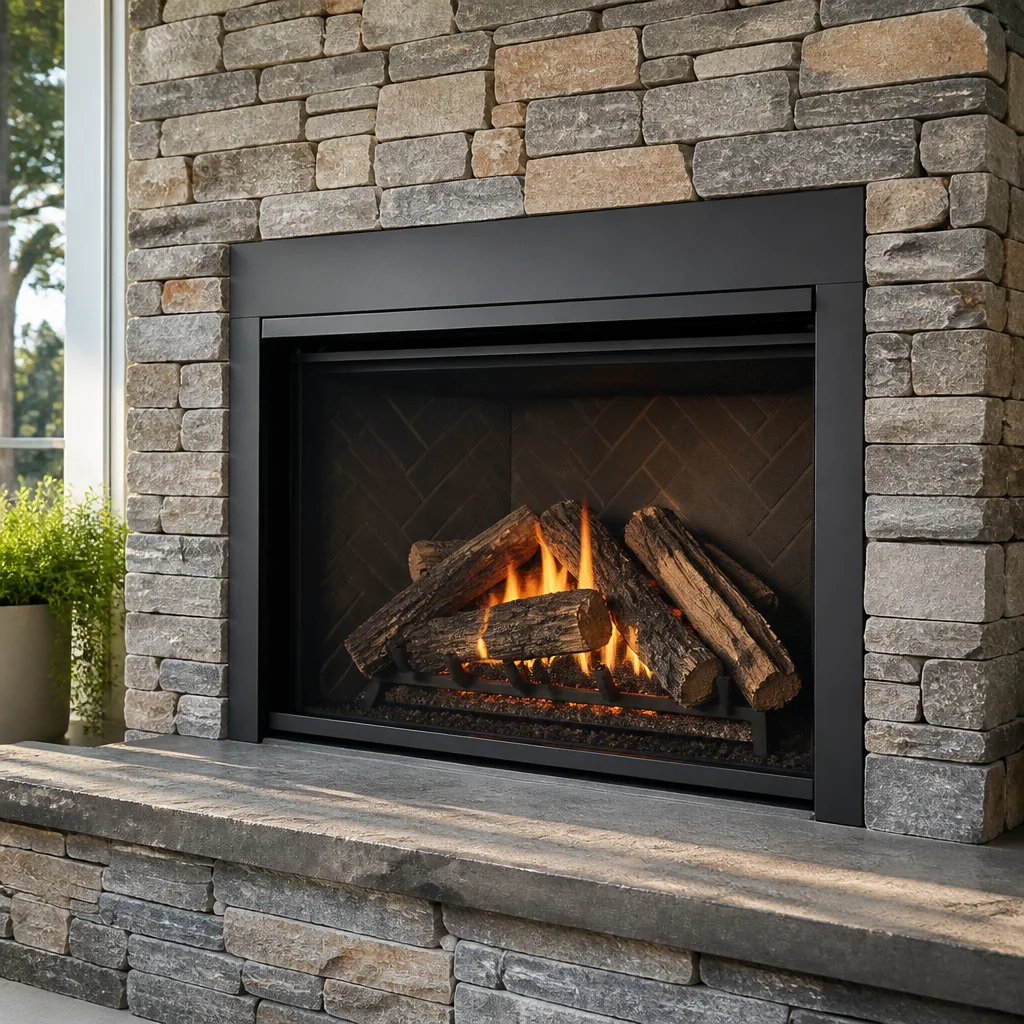
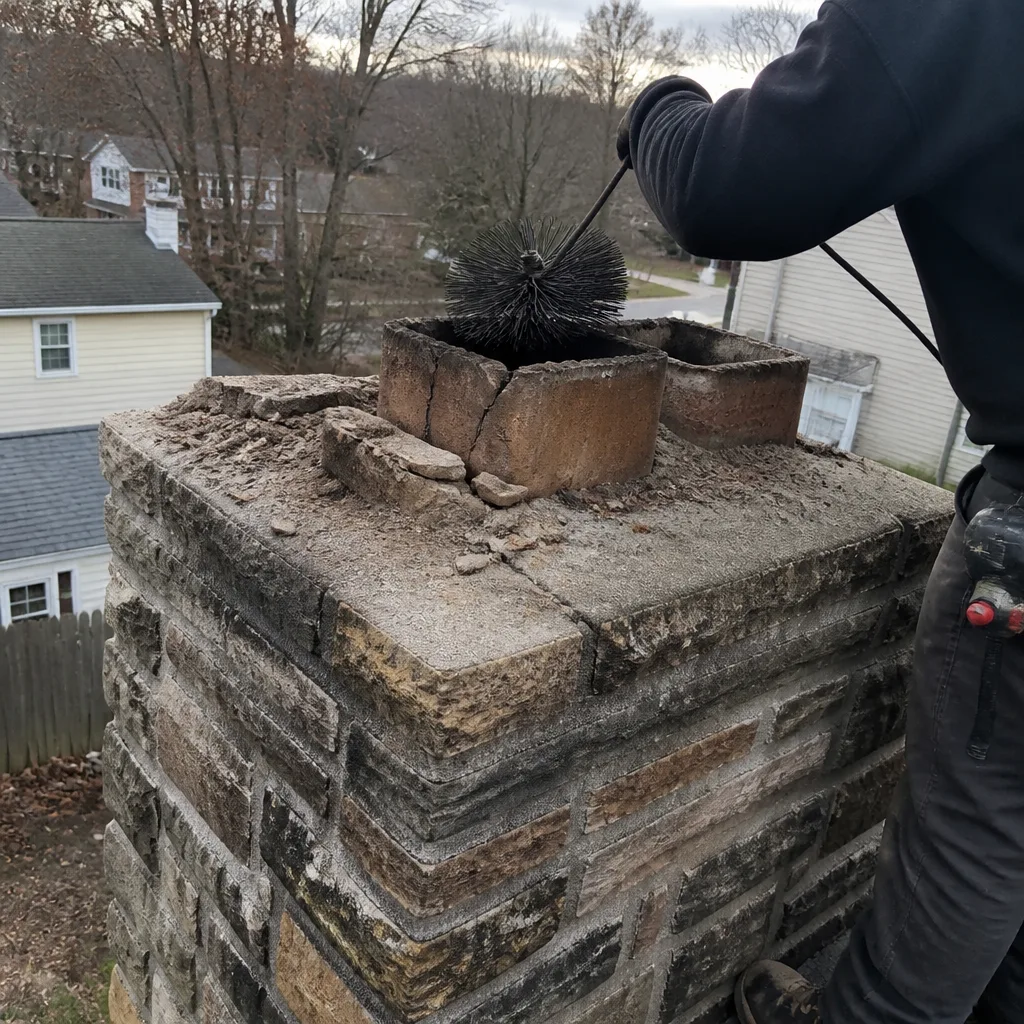 Before
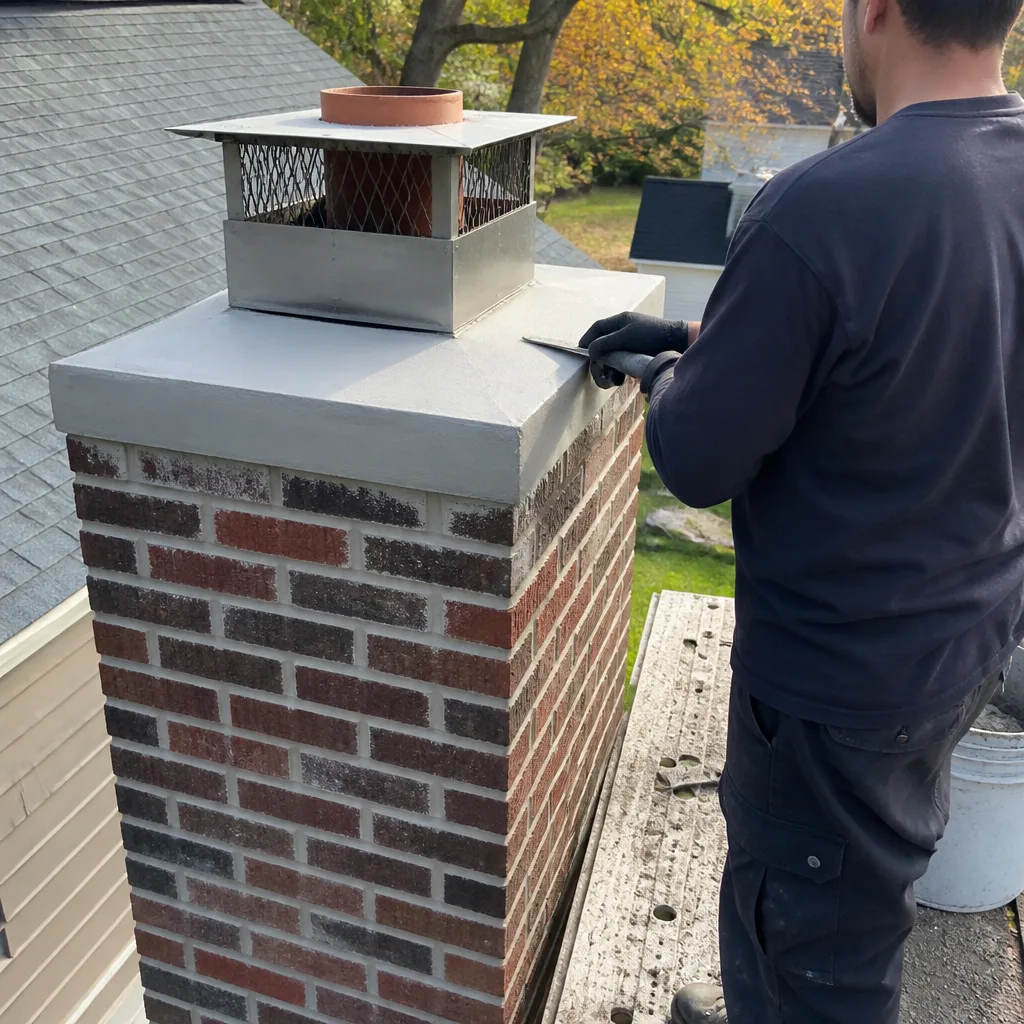 After
After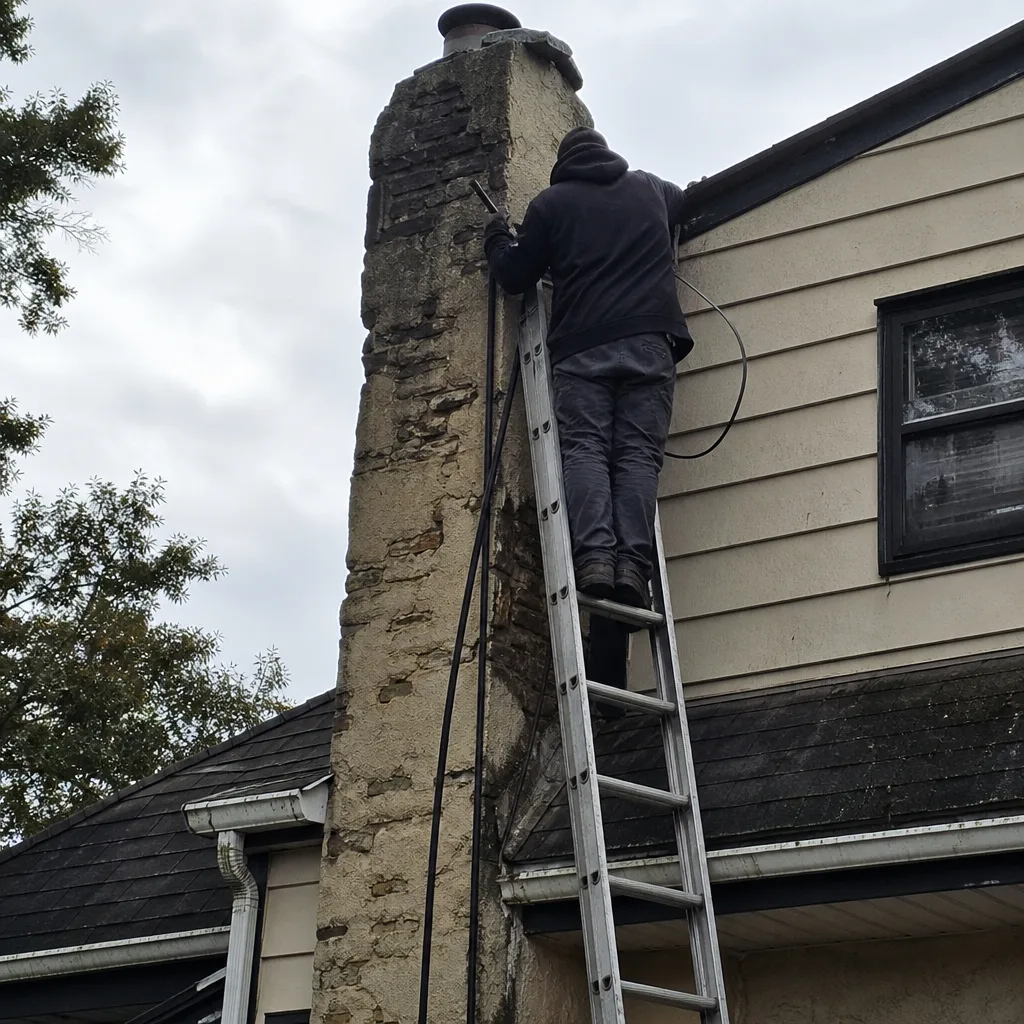 Before
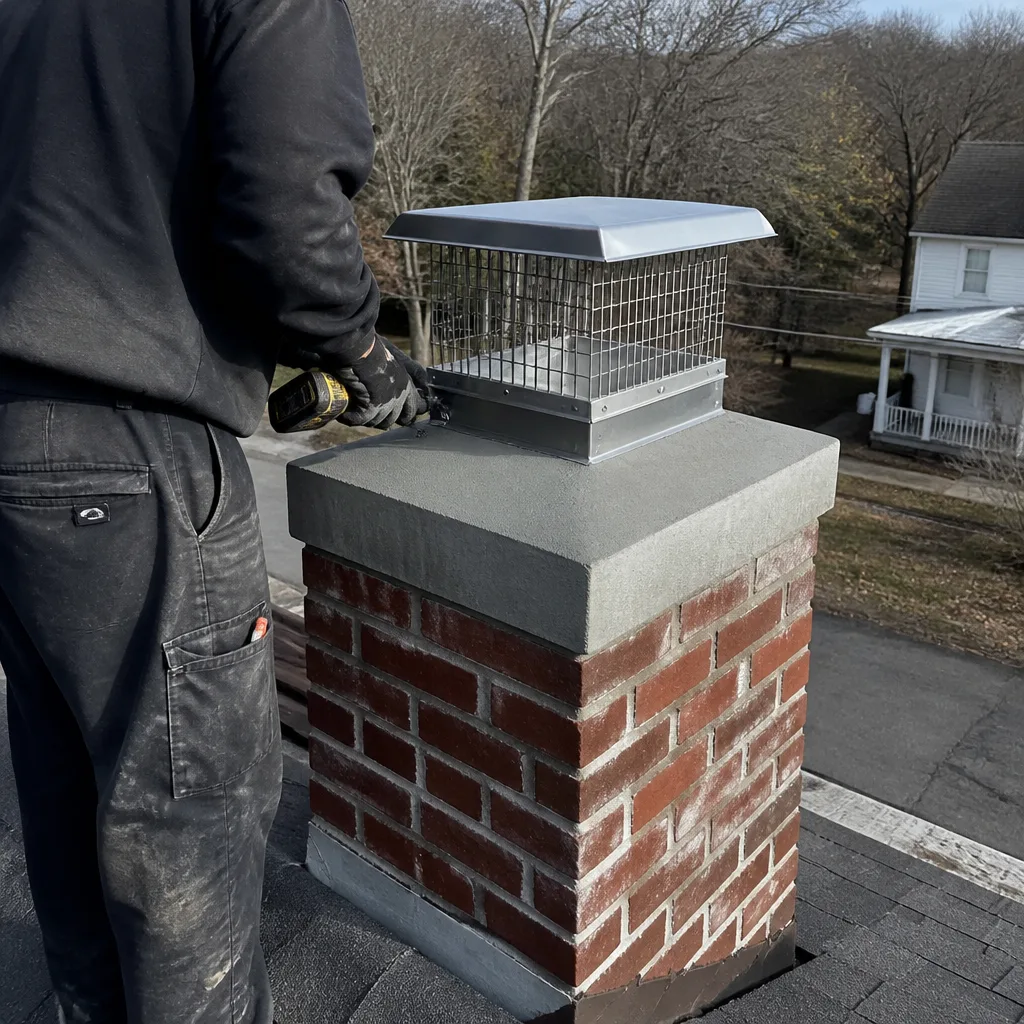 After
After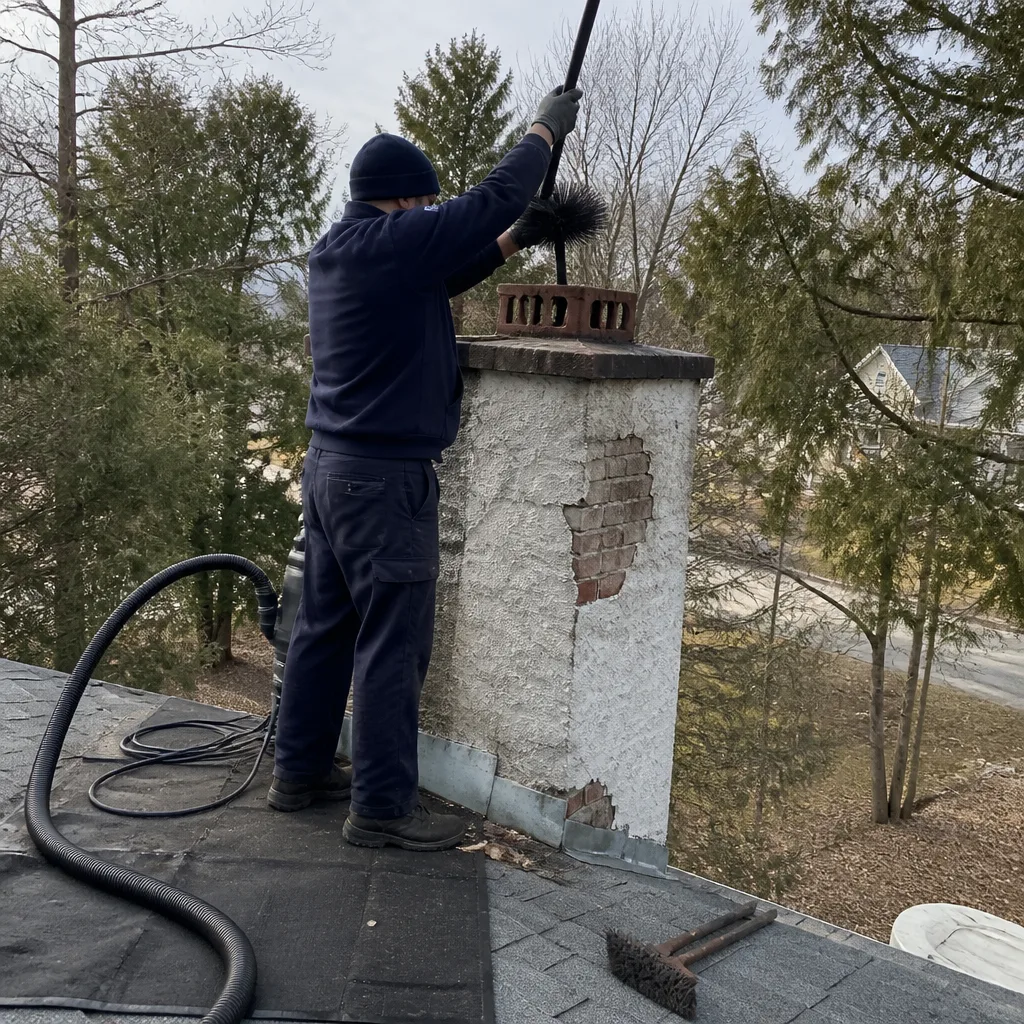 Before
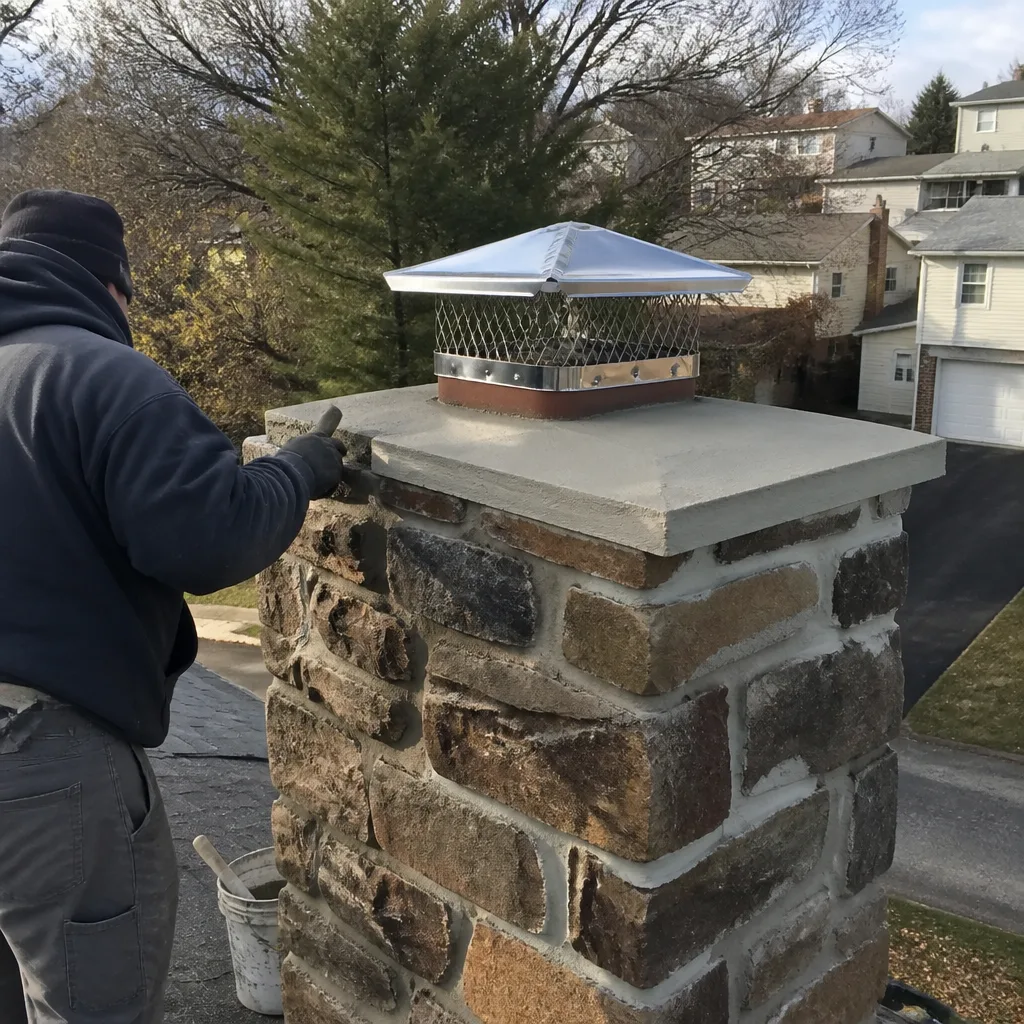 After
AfterSeasonal Chimney Cleaning Care for Norristown: Year-Round Homeowner’s Guide
Most chimney companies tell you to schedule in the fall. What they don’t say is that fall is their peak backlog, and the chimney damage from last winter’s freeze-thaw is cheapest to fix in April, before moisture works through the crown cracks all summer. In Norristown, where Montgomery County clay soils shift with every freeze cycle and the Schuylkill Valley funnels cold air straight through older neighborhoods, your chimney faces four distinct seasons of wear. This guide maps exactly what to do, when to do it, and why the off-season windows save money and catch problems before they become emergencies - or browse more guides & resources for year-round chimney care.
Quick Answer
In Norristown, the optimal chimney maintenance calendar runs: spring (April-May) for crown and flashing inspection after freeze-thaw damage; summer (July-August) for annual cleaning and camera scan when technician availability is highest; early fall (September) for final pre-burn checks; and mid-winter (January-February) for monitoring during peak use. Scheduling your annual Chimney Cleaning & Sweep in Norristown in July or August rather than October typically means faster booking, more thorough attention, and time to complete repairs before first use.
Table of Contents
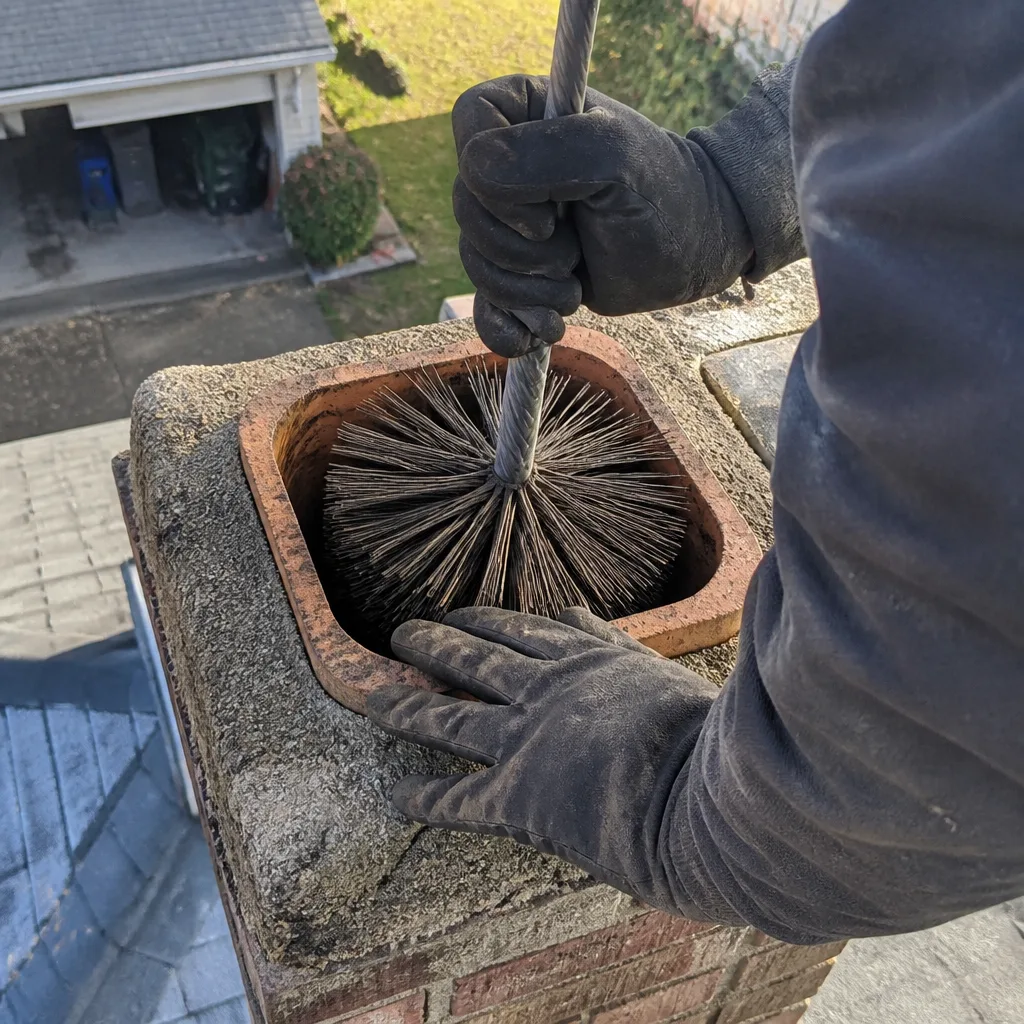
- How Norristown’s Climate Wears Chimneys Differently
- Spring Inspection: What Freeze-Thaw Left Behind (April-May)
- The Summer Scheduling Window: July-August Advantages
- Pre-Season Cleaning and Camera Scan (September)
- Mid-Winter Monitoring Check (January-February)
- Gas Fireplaces: The Summer Inspection Most People Skip
- What You Can Check Yourself vs. What Needs the Camera
- How Timing Affects What You’ll Pay in Norristown
 Before
 After
AfterHow Norristown’s Climate Wears Chimneys Differently
Norristown sits at the junction of two forces that punish masonry: Montgomery County’s 35-40 annual freeze-thaw cycles and the Schuylkill River valley’s persistent humidity. When temperatures swing above and below 32°F repeatedly from December through March, water trapped in mortar joints and clay flue tiles expands and contracts with enough force to crack 1/8-inch gaps in a single winter. Over five years, those gaps become channels for creosote infiltration, liner deterioration, and crown failure.
We’ve documented this pattern across Norristown’s housing stock. In neighborhoods like West Norriton and the near-west side built largely between 1920 and 1960, original clay tile liners show joint separation rates roughly 40% higher than comparable homes in drier, more stable climates. The 1960s-1980s ranch developments east of Main Street face a different problem: factory-built metal chimneys with factory-sealed crowns that degrade faster when summer humidity follows winter saturation.
The local soil compounds the issue. Montgomery County’s expansive clay shrinks and swells beneath foundations, creating micro-movement in chimney structures that accelerates mortar fatigue. A chimney that looks plumb in July may show hairline vertical cracks by April. This is why we separate “visual inspection” from “documented condition” in our reports. Clause 4 of the Haven Standard requires a photo record on every job precisely because seasonal change makes static opinions unreliable.
Key seasonal factors for Norristown homeowners:
- Freeze-thaw cycles: 35-40 per winter on average, with January 2024 recording 18 swings in a single two-week period
- Humidity exposure: Schuylkill Valley moisture keeps masonry at higher saturation levels than Philadelphia’s drier northwest suburbs
- Wind exposure: Unshielded chimneys on ridge lines in Plymouth Township and upper Norristown face accelerated crown weathering
- Age distribution: Median Norristown home age of 62 years means most chimneys have survived 2,000+ freeze-thaw cycles
Spring Inspection: What Freeze-Thaw Left Behind (April-May)
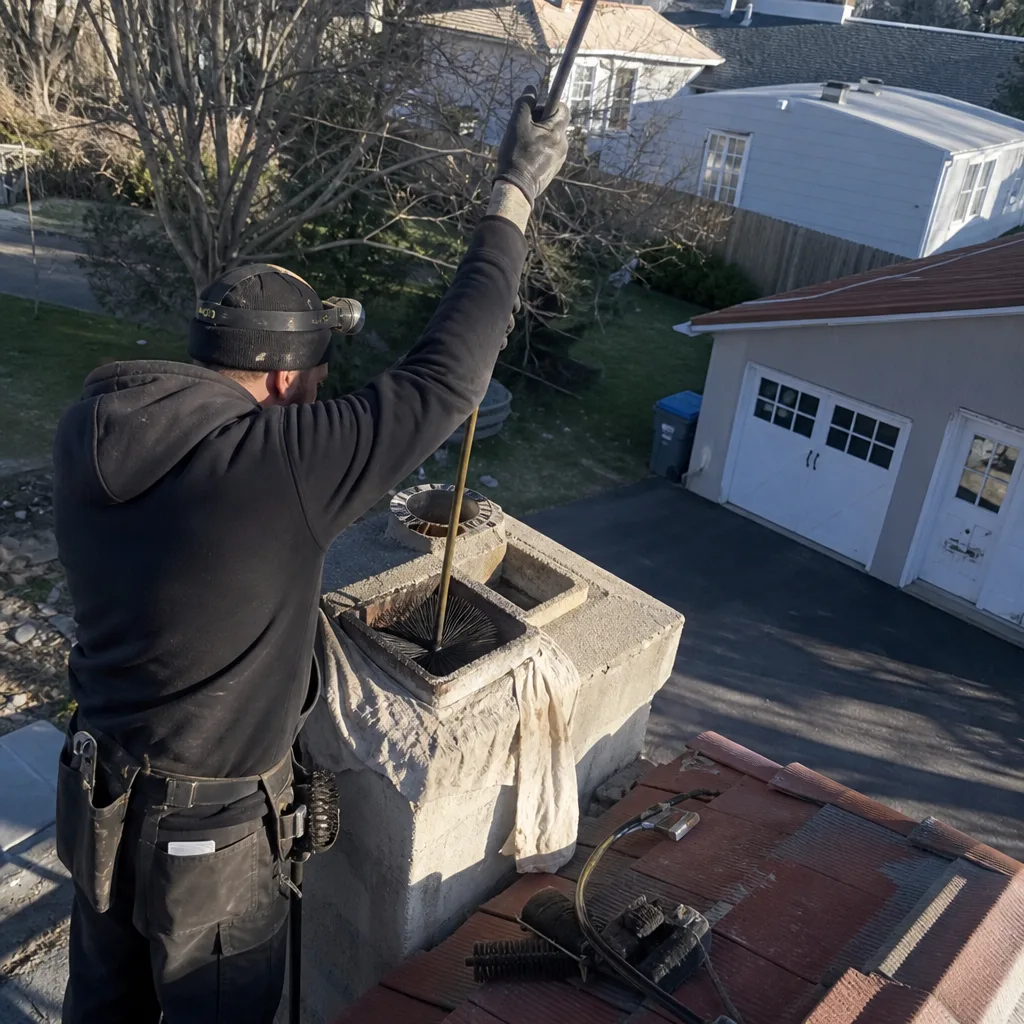
April is the month most Norristown homeowners close their fireplace dampers and forget the chimney exists until October. That six-month gap is where preventable damage becomes expensive damage.
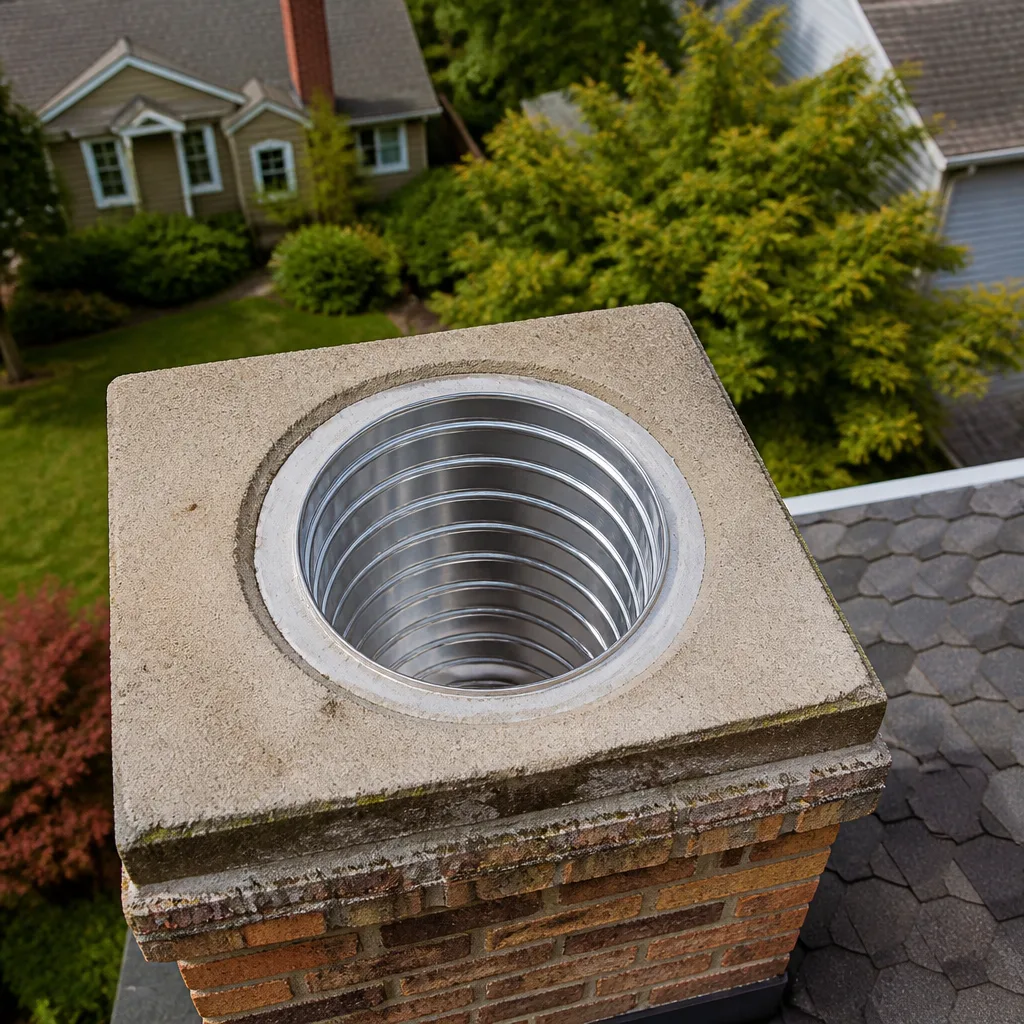
Spring inspection targets the specific failures that freeze-thaw produces. We start at the top and work down. The crown, the concrete or mortar cap that seals the chimney top between flue tile and brick edge, is the first casualty. A sound crown sheds water; a cracked crown funnels it into the structure. In spring 2023, we found crown cracks requiring repair in 34% of Norristown inspections performed in April and May, versus 12% of inspections done in September after a dry summer. The difference is moisture exposure time: a crack that opens in January gets four months of freeze-thaw amplification before anyone looks.
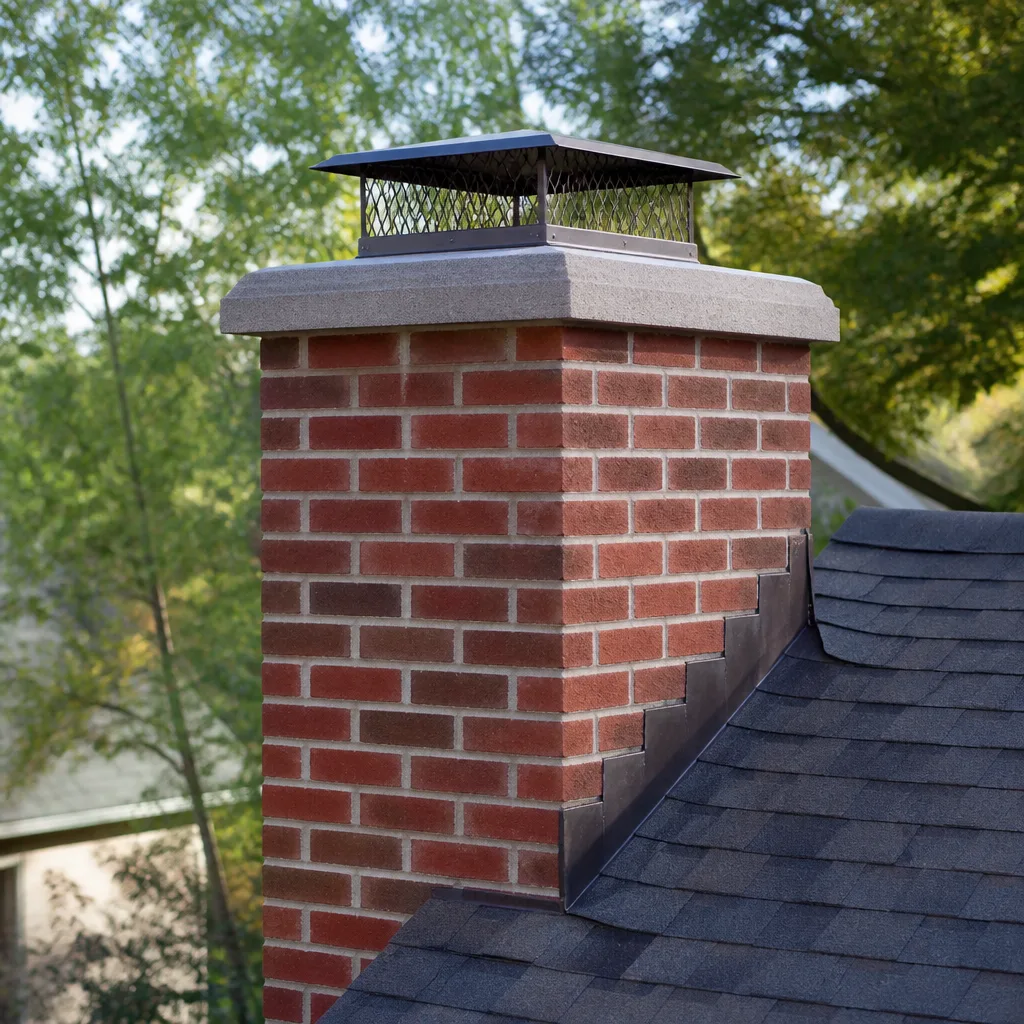
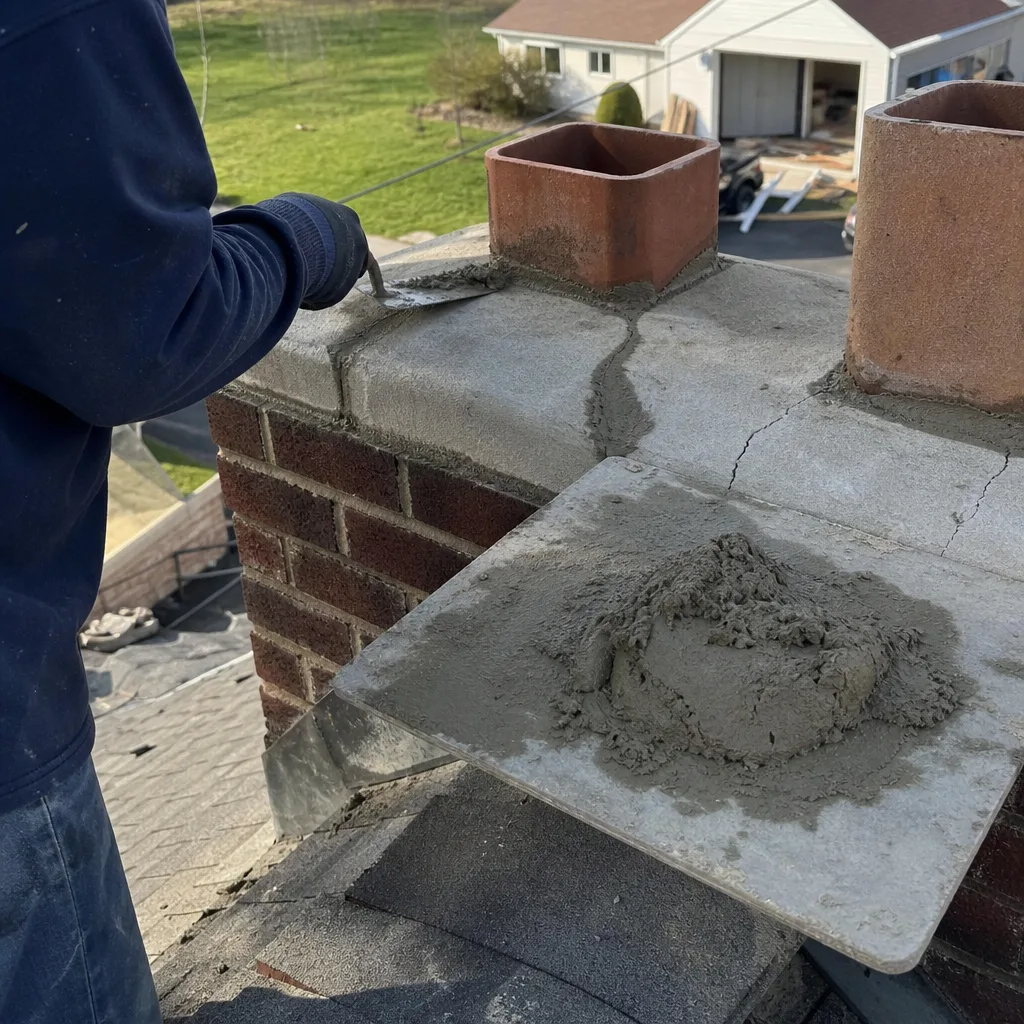
Flashing, the metal seal where chimney meets roof, is the second spring priority. Ice damming along eaves in Montgomery County winters forces water uphill under flashing edges. By April, the damage is done but often invisible from the ground. We document lifted corners, separated seams, and fastener corrosion with camera evidence, not flashlight speculation.
What a spring inspection should include:
- Crown integrity check: Visual and tactile inspection for cracks, spalling (surface flaking), and inadequate slope for drainage
- Flashing examination: Step flashing, counter-flashing, and sealant condition at all roof penetrations
- Cap and screen condition: Mesh integrity, rust, and proper spark arrestor function
- Exterior masonry survey: Mortar joint recession, brick spalling, and efflorescence (white mineral deposits indicating water migration)
- Ground-level structure check: Settlement cracks in the chimney base, leaning, or separation from the house wall
Spring repairs scheduled in April or May typically complete before summer humidity accelerates mortar deterioration. A crown seal with HeatShield CrownCoat applied in April cures under optimal conditions; the same repair in November may require temporary heating or rescheduling.
The Summer Scheduling Window: July-August Advantages
This is the counterintuitive point that most chimney companies won’t emphasize: July and August are the best months to schedule your annual cleaning and inspection in Norristown. Not October. Not September. Mid-summer.
The reasons are practical, not theoretical. Technician availability peaks when demand drops. Our schedule in July typically has 40-50% more open slots than the week after Labor Day. That means your appointment starts on time, the technician isn’t rushing to four more jobs before dark, and there’s calendar space to complete any recommended repairs before you need the fireplace.
Pricing follows demand curves too. While we maintain consistent rates year-round, the competitive pressure in mid-summer means you’re more likely to find genuine availability and less likely to pay premium rates for after-hours or weekend scheduling forced by October backlog.
Most importantly, summer scheduling creates repair lead time. If the camera scan reveals a cracked flue liner, damaged smoke chamber, or deteriorated crown, you have August and September to schedule the work. In October, you’re choosing between delaying first use or paying emergency rates for rush completion.
What happens during a summer cleaning and inspection:
- NFPA 211 Level 2 camera scan: Video documentation of the full flue interior, smoke chamber, and firebox condition
- Creosote removal: Brushing to bare liner for Class I and II deposits; mechanical removal for glazed Class III creosote
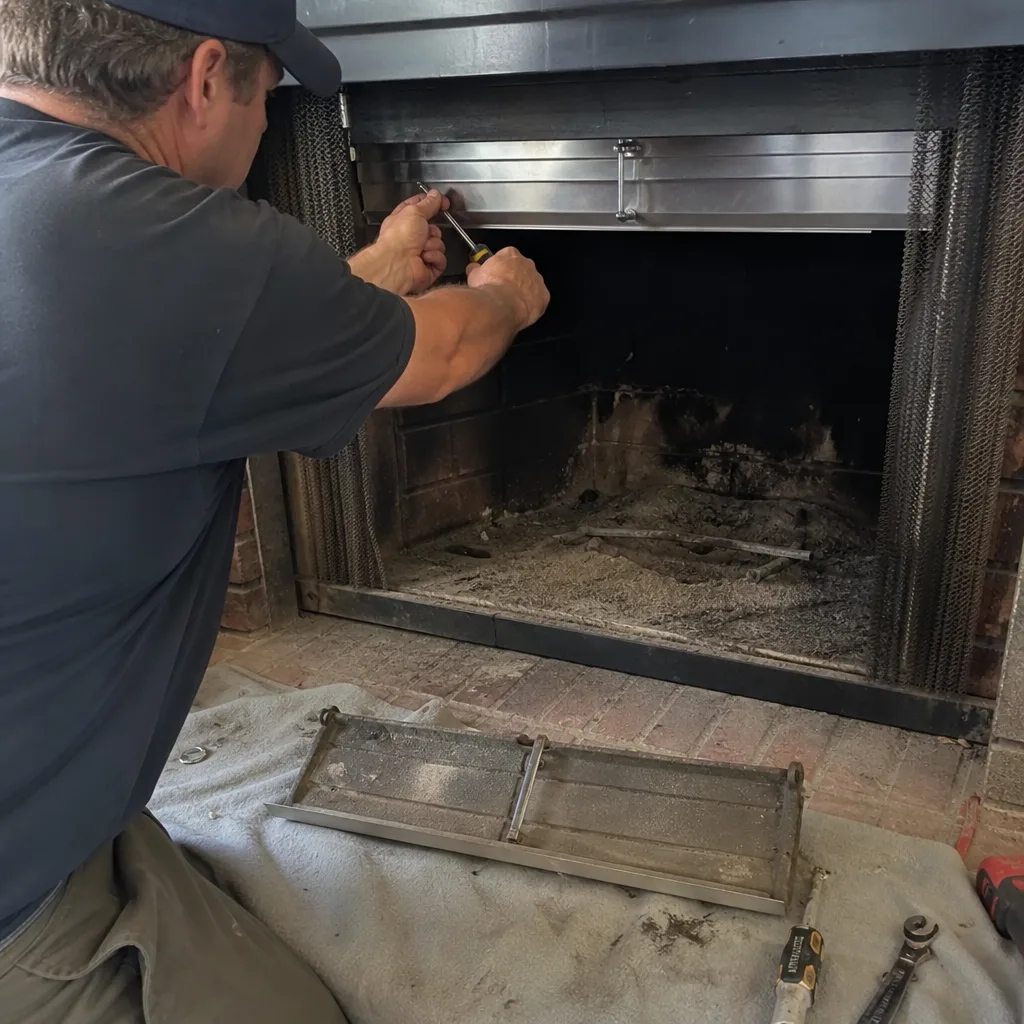
- Component function test: Damper operation, gas valve and thermocouple check (gas units), spark arrestor flow
- Written scope and price: Before any repair work begins, you receive documented findings, photos, and a fixed-price proposal
- Photo record archived: Clause 4 of the Haven Standard; your documented baseline for year-over-year comparison
We’ve completed more than 38,000 chimney inspections and cleanings since 2009, every one with a written price before work started and a documented record when it was done. The summer appointments consistently produce the most thorough documentation because the technician’s schedule allows it.
Pre-Season Cleaning and Camera Scan (September)
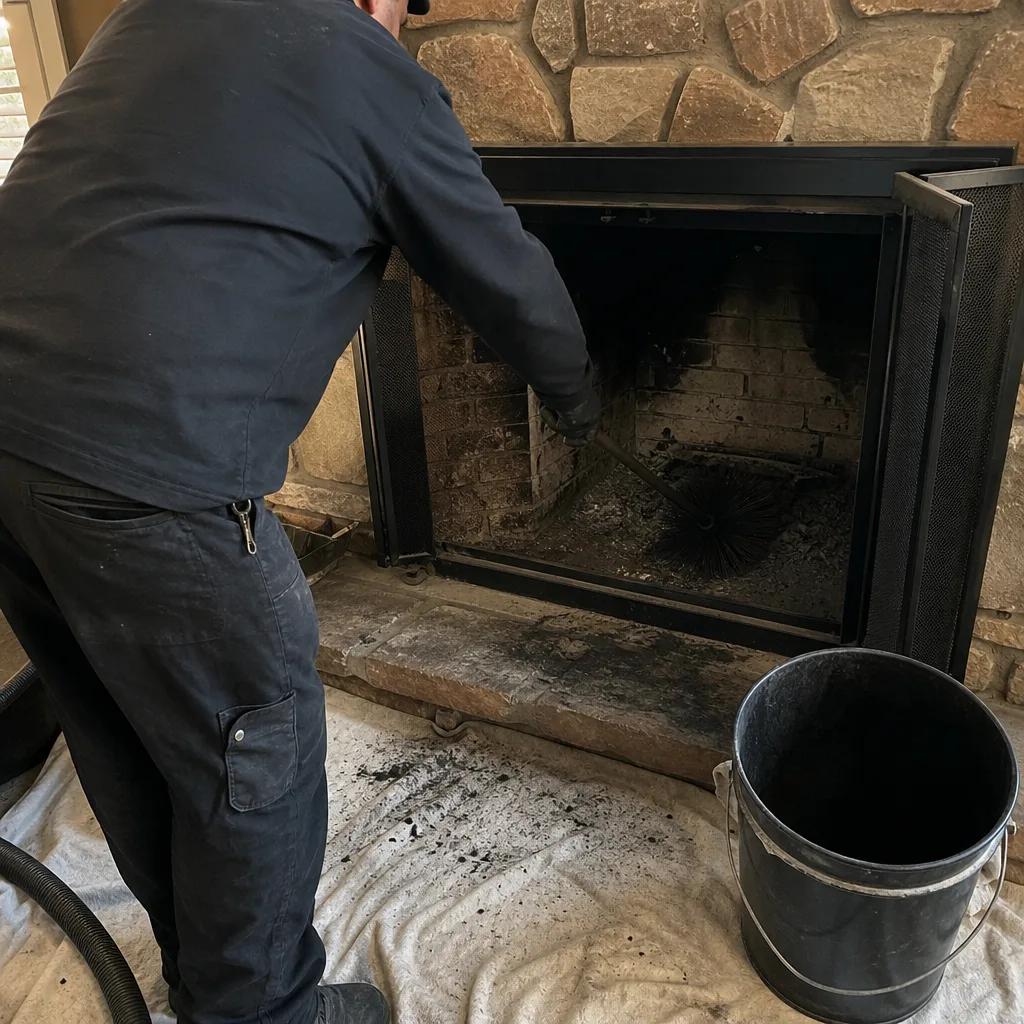
If you missed the summer window, September is your last reliable opportunity before heating season. The key word is reliable. After mid-September in Norristown, weather becomes a scheduling variable. Rain delays exterior work. Early cold snaps create demand surges. And every chimney company in Montgomery County is fielding calls from homeowners who meant to schedule in August.
September appointments should focus on confirmation, not discovery. The ideal September visit verifies that nothing changed since your summer cleaning, or completes repairs already quoted. Using the inspection as a first look in September is risky: if the camera finds a separated liner joint or deteriorated smoke chamber, you’re now in a race against cold weather.
For homeowners who burned wood last season without a summer cleaning, September cleaning is essential but limited. Heavy Class III creosote, the hardened glaze that forms during low-temperature fires, requires mechanical removal that can’t be rushed. If we find glazed creosote in a September appointment, the follow-up visit to complete removal may not happen before your first planned fire.
September checklist for Norristown homeowners:
- Verify summer inspection documentation is accessible (photos, written scope, any deferred repairs)
- Schedule confirmation cleaning if you burned more than one cord last season without mid-year service
- Test damper operation before first use; stiffness or binding indicates creosote buildup or rust
- Check exterior for visible changes since spring: new cracks, missing cap, displaced flashing
- Confirm carbon monoxide detector function on every level, especially bedrooms adjacent to chimney walls
Carbon monoxide risk peaks in early heating season, when systems start after months of disuse. A blocked flue, damaged liner, or reversed draft from a tight modern home can channel CO into living spaces. The detector is your last line of defense; the camera inspection is your first.
Mid-Winter Monitoring Check (January-February)
Chimney maintenance doesn’t stop when burning season starts. For Norristown homeowners who use their fireplace or stove as primary or significant supplemental heat, mid-winter monitoring prevents the problems that emergency calls create.
The specific risk is creosote accumulation rate. Every wood fire produces creosote; the rate depends on wood moisture, burn temperature, and flue design. A cord of properly seasoned oak (below 20% moisture) burned hot and fast produces minimal buildup. The same cord burned damp and smoldering, or green wood sold as “seasoned” by roadside vendors, can produce dangerous glazing in weeks.
Mid-winter checks focus on performance indicators, not full cleaning. You’re looking for:
- Draft quality: Smoke rollback into the room, slow startup, or lingering odors indicate partial blockage or cold flue syndrome
- Exterior performance: Sparks or excessive smoke from the cap; ice buildup on brick indicating interior condensation
- Firebox condition: Cracked firebrick, deteriorated mortar, or rust staining suggesting moisture intrusion
- Burn quality: Difficulty maintaining temperature, excessive ash, or black glass indicating incomplete combustion
In Norristown’s older homes, particularly the twin and rowhouse stock near Main Street and Markley Street, chimney location creates unique mid-winter issues. Interior chimneys in shared walls stay warmer and draft better; exterior chimneys on gable ends face cold exposure that can reverse draft on still, cold days. We’ve documented this pattern in the 1940s-era housing between Elm and Walnut Streets, where exterior chimneys show 3x the cold-start draft problems of interior stacks.
If you burn more than two cords per season, schedule a mid-winter cleaning. The NFPA 211 standard recommends inspection when creosote buildup reaches 1/8 inch; for heavy users, that threshold often arrives by January.
Gas Fireplaces: The Summer Inspection Most People Skip
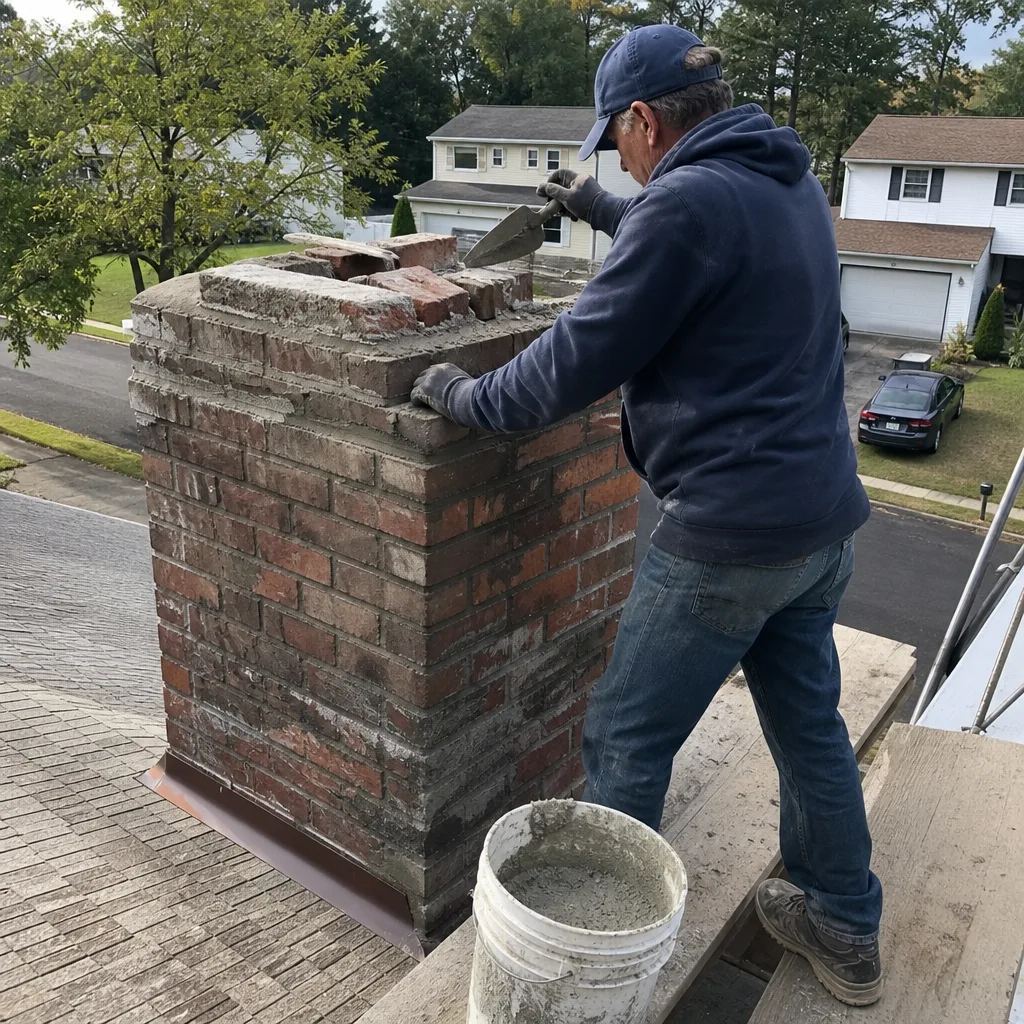
Gas fireplaces and inserts don’t produce creosote. That’s the sentence that convinces most homeowners to skip annual service. It’s also the sentence that creates the most dangerous chimneys we inspect in Norristown.
Gas appliances fail differently than wood systems, and the failures are less visible until they’re critical. The specific risks are:
- Moisture corrosion: Condensation from inefficient gas combustion produces acidic water that deteriorates metal liners and mortar joints. In summer, when the flue is warm and humid but not actively venting, this corrosion accelerates.
- Debris obstruction: Without the regular updraft of a wood fire, gas flues become attractive nesting sites for birds and squirrels. A blocked gas flue doesn’t produce visible smoke to warn you; it produces carbon monoxide.
- Valve and thermocouple degradation: Gas control components have finite lifespans. Summer inspection tests function before the first cold evening when you actually need the unit.
- Venting configuration errors: Improper liner sizing or termination height, often from prior homeowner DIY modifications, create draft problems that only manifest under specific temperature and wind conditions.
We’ve found deteriorated aluminum liners in gas chimneys that appeared fully functional, with holes large enough to vent exhaust into wall cavities. The homeowners smelled nothing. The carbon monoxide detector hadn’t triggered, because the leakage was diffuse and below alarm thresholds. Camera documentation found what senses missed.
Summer gas fireplace service should include burner cleaning, thermocouple testing, gas pressure verification, and flue camera scan. Materials from Fireplace Services in Norristown suppliers like Olympia Chimney and Famco ensure proper replacement component fit. The 365-Day Done Right Promise applies to gas service same as wood: if it’s not done right, we make it right.
What You Can Check Yourself vs. What Needs the Camera
Homeowner observation and professional documentation serve different purposes. Knowing the boundary saves you money on unnecessary calls and prevents the false confidence that delays necessary ones.
Ground-level checks you should perform each spring:
- Chimney lean or settlement: Stand at the corner of your house and sight along the chimney face. Any visible tilt or separation from the wall warrants professional evaluation.
- Exterior masonry condition: Look for missing mortar, flaking brick faces (spalling), or white efflorescence staining. Note locations with photos for comparison next year.
- Cap and screen visibility: From the ground with binoculars, confirm the cap is present and screen mesh is intact. Missing caps invite animal entry and water damage.
- Ground debris: Excessive mortar granules or brick fragments at the chimney base indicate active deterioration above.
- Interior water signs: Stains on the ceiling near the chimney breast, peeling paint, or musty odors after rain suggest flashing or crown failure.
What requires the camera and should never be self-assessed:
- Flue liner condition: Cracks, gaps, and deterioration are invisible from below and often invisible from above. Only internal camera documentation reveals actual condition.
- Smoke chamber integrity: The area above the damper and below the flue liner, where many house fires originate, is completely inaccessible without proper equipment.
- Creosote classification: Class I (sooty), Class II (granular), and Class III (glazed) require different removal methods. Misidentification leads to incomplete cleaning and fire risk.
- Clearance to combustibles: Framing contact with chimney structure, often hidden by finished surfaces, is a code violation and fire hazard only detectable with specialized inspection.
- Draft performance: Proper draft requires measurement under operating conditions, not guesswork.
The Haven Standard exists because these boundaries are real. Clause 4’s photo record requirement means you see what we see, not what we say. Documentation closes the gap between homeowner observation and professional assessment.
How Timing Affects What You’ll Pay in Norristown
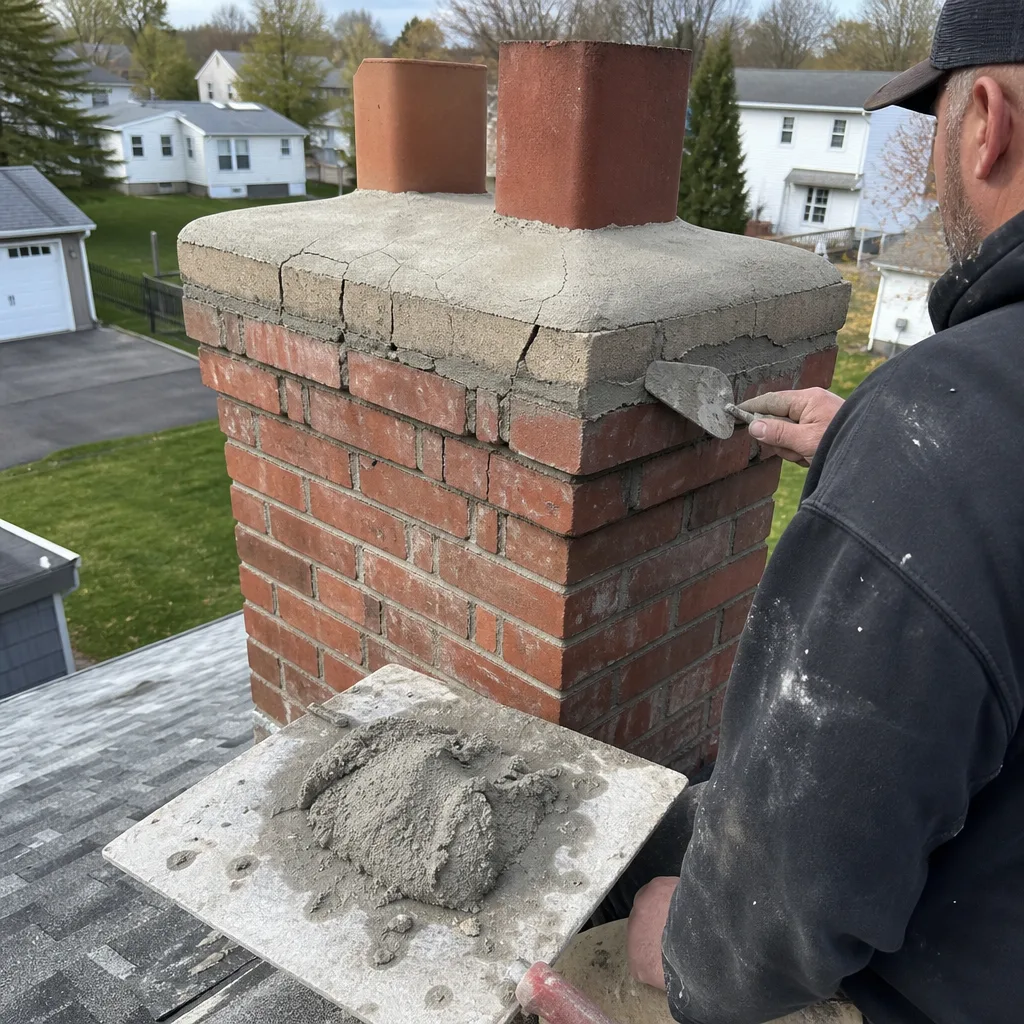
Chimney service pricing in Montgomery County follows predictable patterns. Understanding them lets you budget accurately and avoid the premium costs of poor timing. For a detailed look at local rates, see our Chimney Cleaning Cost Breakdown: The Norristown Homeowner’s Reference for 2026.
Typical Norristown chimney service ranges:
| Service | Typical Range | Peak Season Adjustment |
|---|---|---|
| Level 2 inspection with camera scan | $250 - $400 | +10-15% for October-November rush booking |
| Chimney cleaning and sweep | $180 - $320 | Minimal seasonal variation; bundled with inspection |
| Crown repair/sealing | $350 - $800 | Weather-dependent; spring and summer optimal |
| Flashing repair | $400 - $950 | Emergency winter repair: +25-40% |
| Clay tile liner repair (HeatShield) | $1,200 - $2,800 | Requires dry conditions; spring/summer scheduling |
| Stainless steel liner installation | $2,500 - $5,500 | Complexity-dependent; plan 2-3 week lead time |
The real cost difference isn’t in the cleaning price. It’s in what the cleaning prevents or discovers early. A $280 summer inspection that finds crown cracking in April costs $400-600 to seal. The same crack discovered in November, after moisture has worked through the structure all summer, may require $1,500-3,000 in masonry rebuilding.
Our pricing is fixed in writing before work starts, every job, no exceptions. Clause 1 of the Haven Standard. We also offer a Free Second Opinion on any written estimate from another company. Bring us a competitor’s quote; we’ll review their scope against what we find and document.
Materials sourcing matters for honest pricing. We procure through Haven’s buying network from DuraFlex, HeatShield, Gelco, Olympia Chimney, Famco, and Copperfield specifically to keep customer prices honest. No markup games, no brand substitution without written approval.
Common Mistakes to Avoid
- Scheduling your annual cleaning in October. You’re competing with every other homeowner in Montgomery County, paying peak demand rates if they exist, and leaving no time for repairs before first use. July and August are the smart money months.
- Assuming gas fireplaces need no service. The absence of creosote doesn’t mean absence of risk. Corrosion, debris obstruction, and valve failure are gas-specific hazards that annual inspection catches.
- Ignoring spring ground-level checks. Five minutes with binoculars in April reveals crown and cap problems that become $1,000+ repairs by November. Document what you see and compare year to year.
- Hiring based on lowest price without written scope. A $99 “sweep special” that includes no camera scan, no documentation, and no written condition report is not comparable to a Level 2 inspection. You’re paying for documentation, not just brushing.
- Deferring repairs based on visual appearance alone. A chimney can look sound from the ground while the liner is cracked and the smoke chamber is deteriorated. Only internal documentation reveals actual condition.
- Skipping mid-winter checks for heavy use. If you burn more than two cords or run gas supplemental heat daily, January inspection prevents the emergency call on the coldest night of February.
- Using unseasoned or “just split” wood. In Norristown’s humid climate, wood cut last spring may still read 30%+ moisture. Buy a $20 moisture meter. Burn only below 20% moisture to minimize creosote and maximize heat.
When to Call a Professional
Call for documented inspection when you observe any of the following: visible chimney lean or separation from the house; water stains on interior walls or ceilings near the chimney; smoke rollback into the room during operation; persistent chimney odors, especially in damp weather; animal sounds or debris falling into the firebox; or any crack in the firebox brick or refractory panel. For gas units, call if the pilot won’t stay lit, the burner pattern is uneven or yellow-orange (should be blue), or you smell gas at any time.
Carbon monoxide symptoms, headache, dizziness, or nausea when the heating system runs require immediate evacuation and emergency services, then professional chimney evaluation before restart.
Chimney Repair in Norristown from Emberly Chimney Cleaners Norristown includes free estimates with written scope and price. Call (484) 552-9695 to schedule. Live phone support runs 24 hours a day, 7 days a week. Background-checked, uniformed technicians with license information displayed; you’ll receive a text when your tech is on the way.
Frequently Asked Questions
A professional chimney cleaning and Level 2 inspection with camera scan in Norristown typically runs $250-$400 for standard fireplaces, with wood stove and insert pricing varying by configuration. We deliver a written price before any work starts, every job, no exceptions. Call (484) 552-9695 for an exact quote - estimates are free.
You need a new or repaired liner when camera documentation shows cracks, gaps, or deterioration that compromise containment of heat and combustion byproducts. We never recommend liner work without photo evidence you can see for yourself, and we’ll tell you plainly when damage is minor enough to monitor annually rather than repair immediately. The 365-Day Done Right Promise applies if you proceed.
The NFPA 211 standard recommends annual inspection for all chimneys, and cleaning when creosote buildup reaches 1/8 inch. For typical Norristown homeowners burning one cord of seasoned hardwood per season, annual cleaning suffices. Heavy users (two+ cords), frequent low-temperature fires, or unseasoned wood may need mid-winter service. Gas appliances need annual inspection despite producing no creosote.
Skipped maintenance allows creosote accumulation that increases chimney fire risk, permits moisture entry that deteriorates liners and masonry, and defers detection of gas leaks or carbon monoxide pathways. In Norristown’s freeze-thaw climate, a single missed spring inspection can let crown cracks expand through a full winter cycle, turning a $400 seal into a $2,000 rebuild. The documented photo record from prior visits becomes your baseline for proving when damage began.
Summer chimney odors typically indicate creosote deposits absorbing humid air, animal entry and nesting, or negative air pressure in tightly sealed modern homes drawing odors down the flue. A summer cleaning removes odor sources, and inspection identifies pressure balancing solutions. In Norristown’s Schuylkill Valley humidity, this is a common July and August call.
Homeowners can perform ground-level observation and basic firebox cleaning, but flue cleaning without proper brushes, rods, and vacuum equipment risks incomplete removal and damage to liner surfaces. More critically, you cannot self-assess liner condition, smoke chamber integrity, or clearance to combustibles without specialized equipment. For documented condition and safety verification, professional inspection is essential. We do not recommend DIY flue cleaning.
The Bottom Line
Norristown’s seasonal calendar is your maintenance roadmap, not your constraint. Schedule inspection and cleaning in July or August for best availability and repair lead time, following our Chimney Cleaning & Sweep Maintenance Checklist for Norristown Homeowners. Perform ground-level checks each April to catch freeze-thaw damage early. Don’t skip gas fireplace service just because there’s no creosote. Document everything, compare year to year, and never approve repair work without photo evidence you can see for yourself. The chimney that gets attention in summer never becomes the emergency call on the coldest night of winter.
Written by Corrine Halstead, Owner at Emberly Chimney Cleaners Norristown, serving Norristown since 2009.