
Last updated September 22, 2026
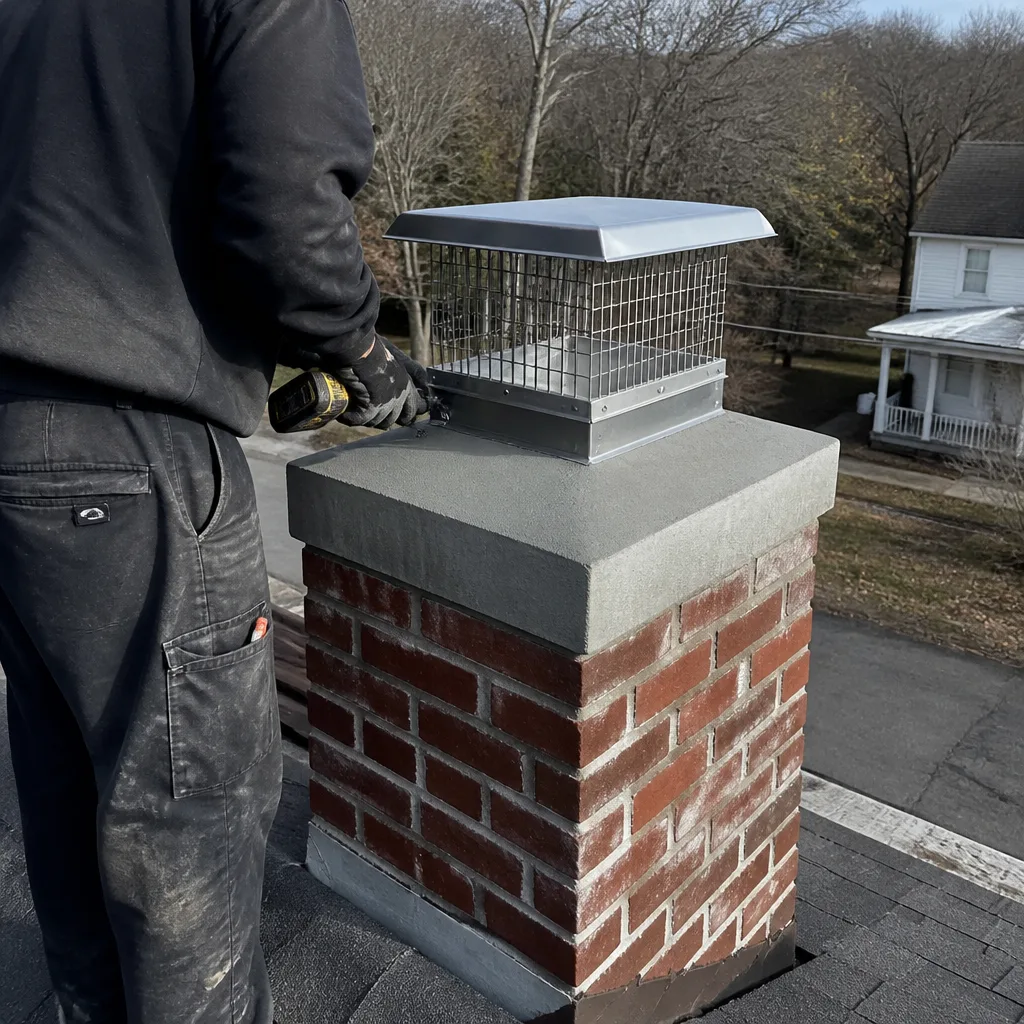
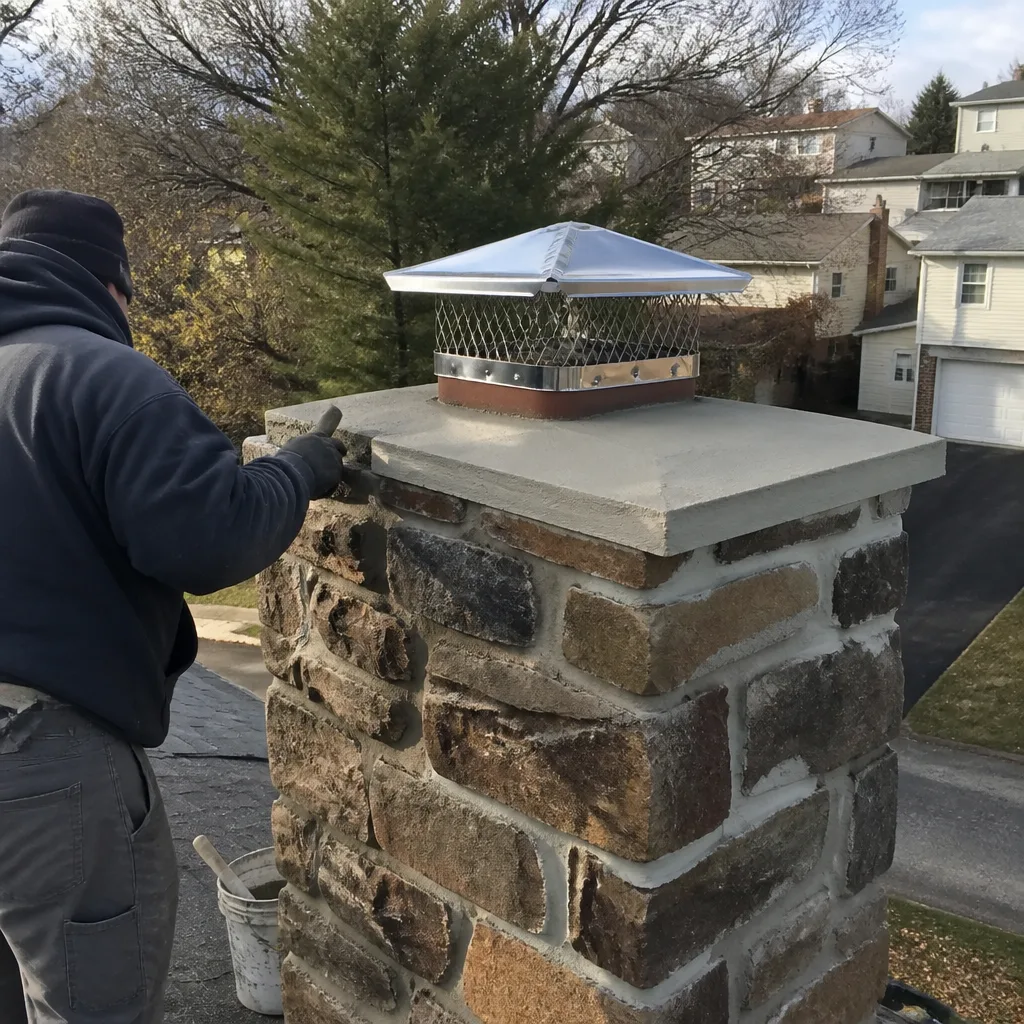
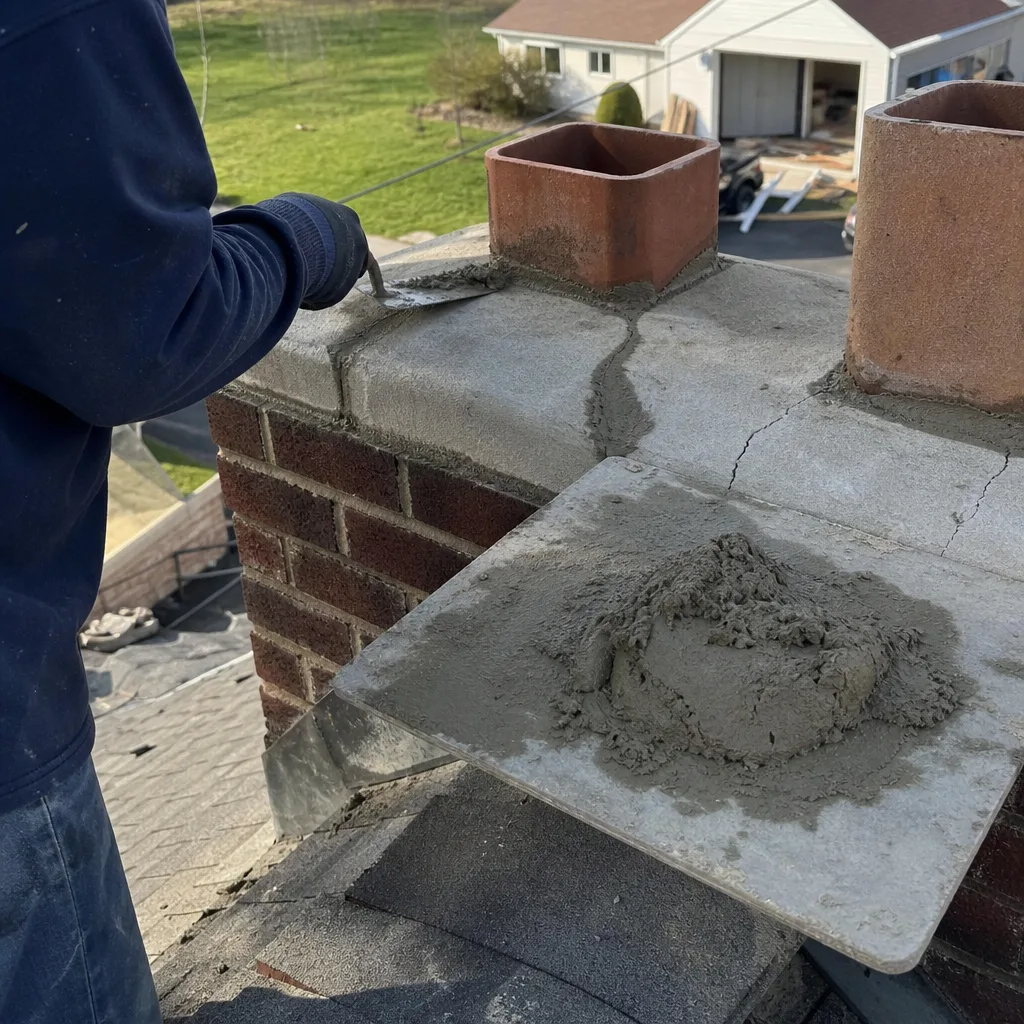
Level 1 sweep and inspection to the NFPA 211 annual standard - flue, crown, cap, and flashing checked and photographed
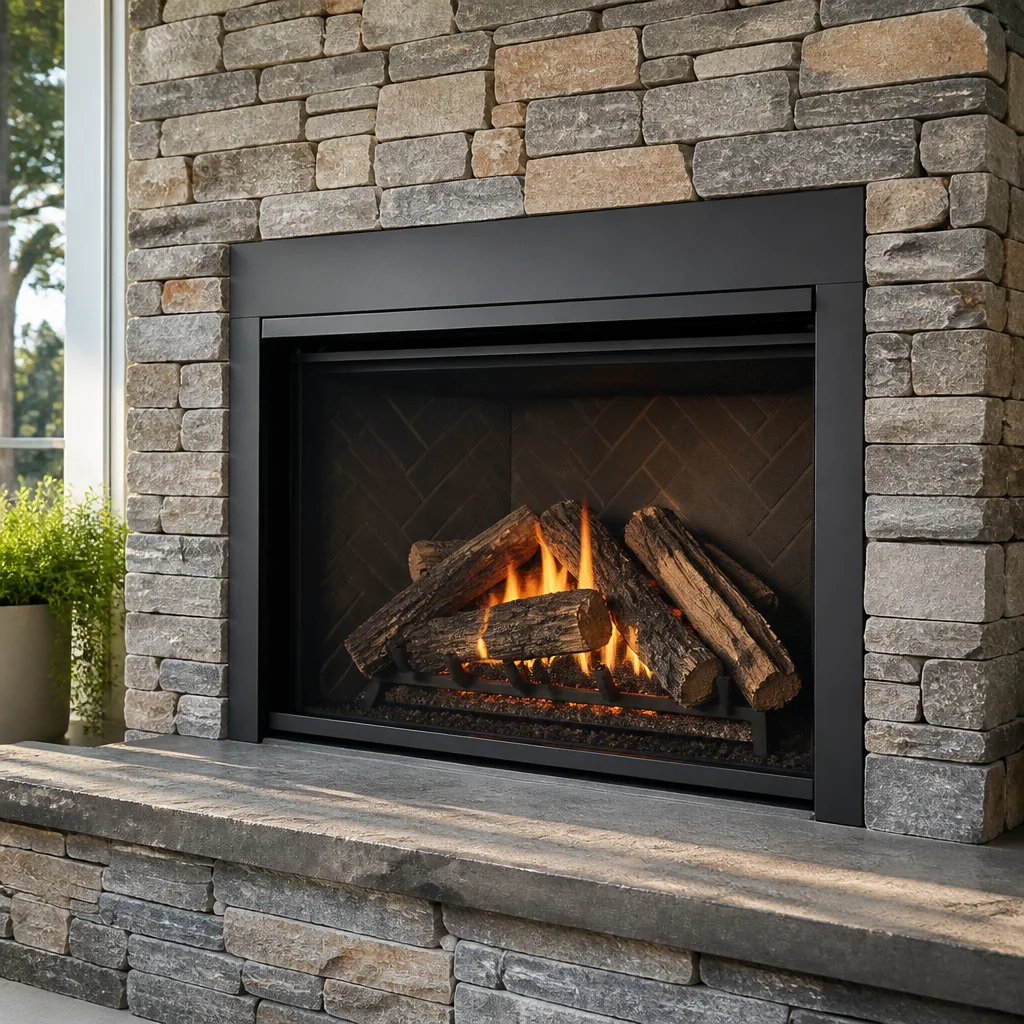
Chimney sweep logs do not sweep chimneys. They loosen some creosote - which then falls where a brush and vacuum still have to collect it.
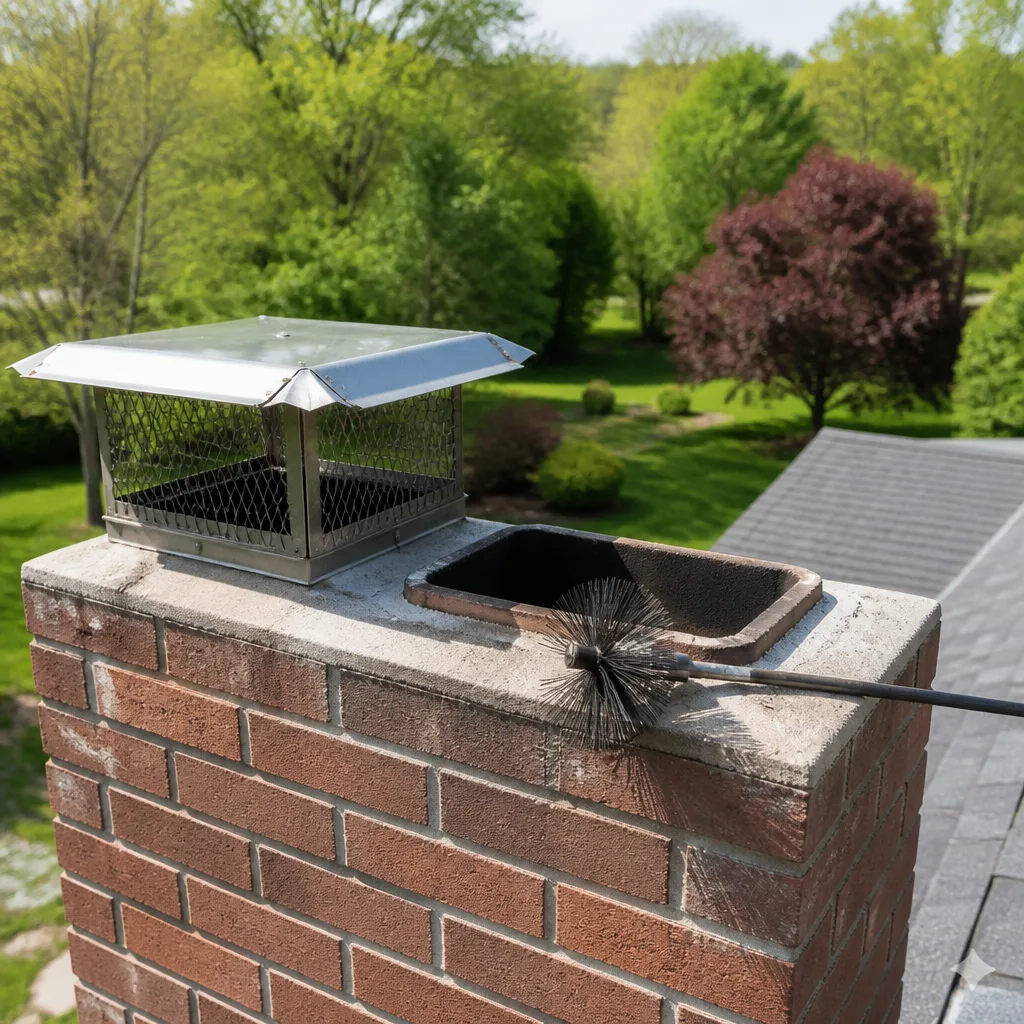
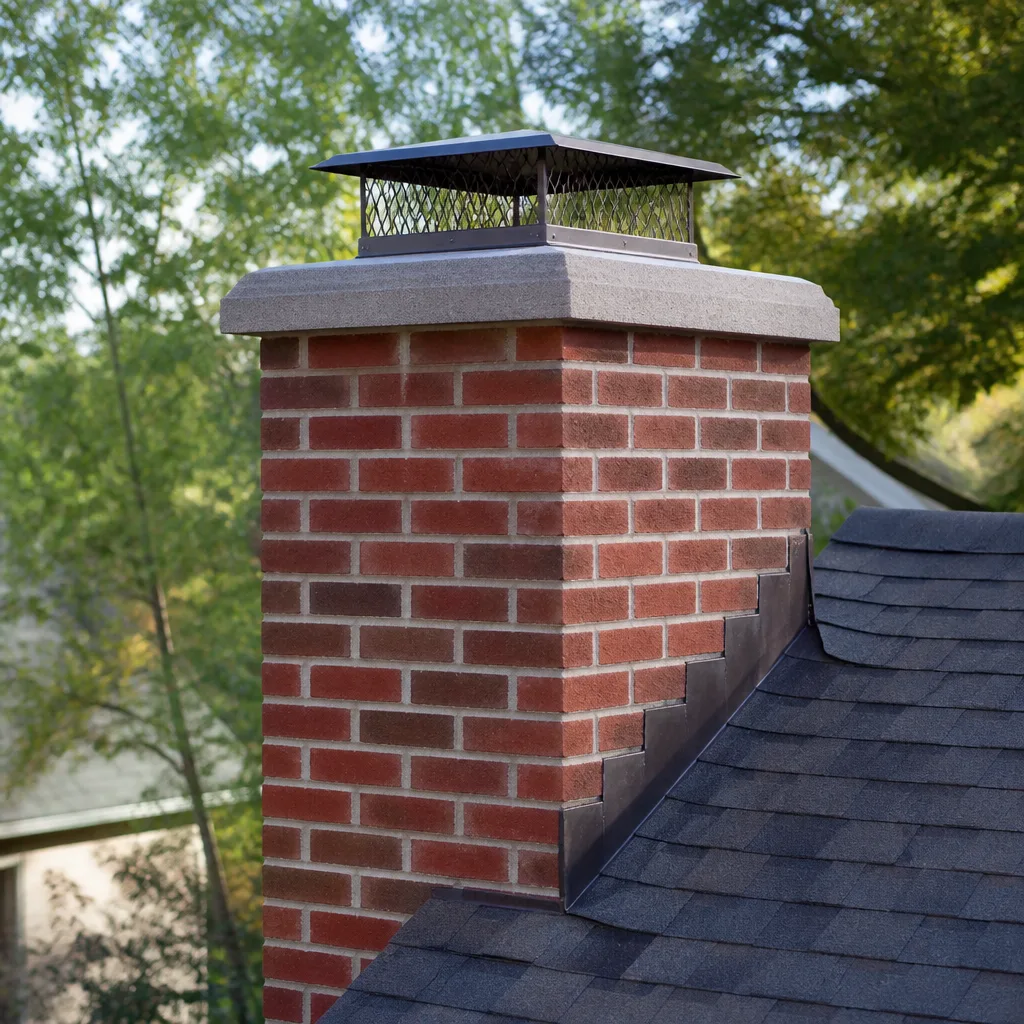
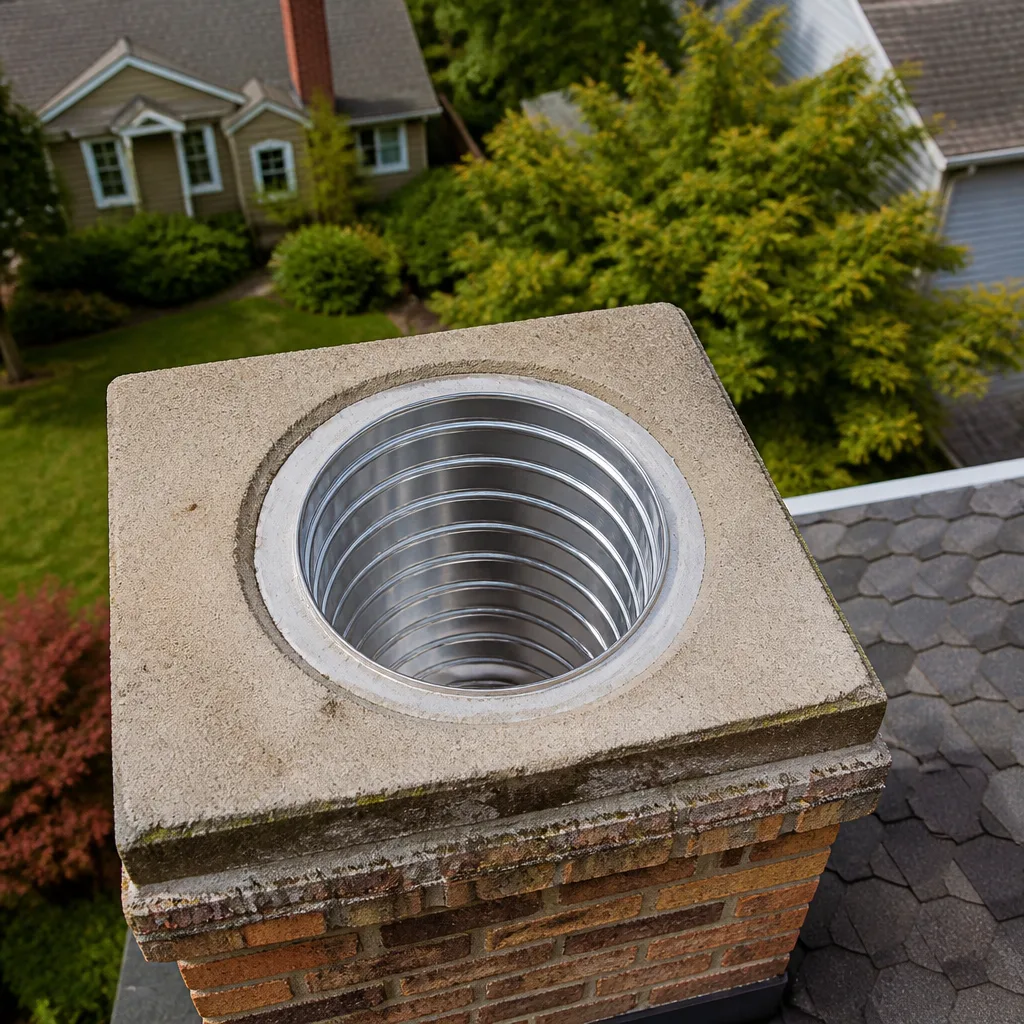
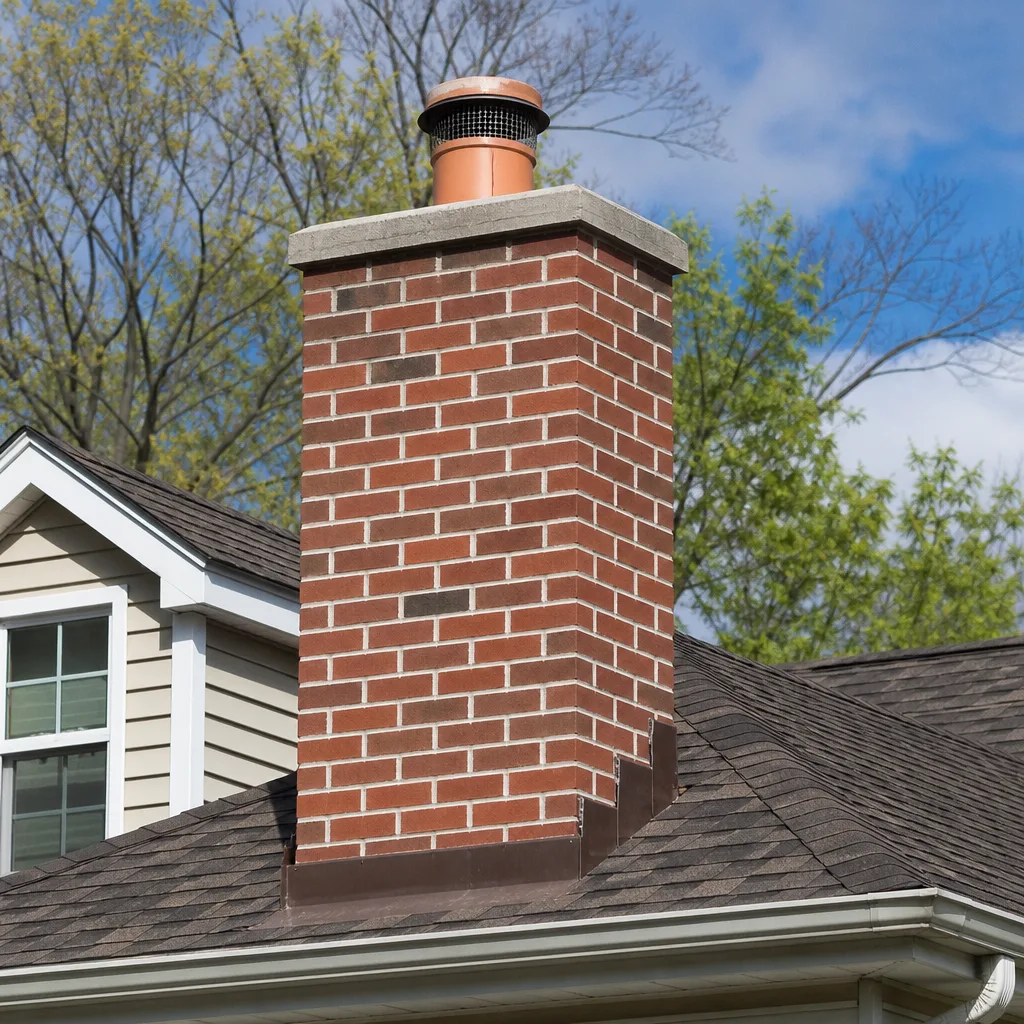
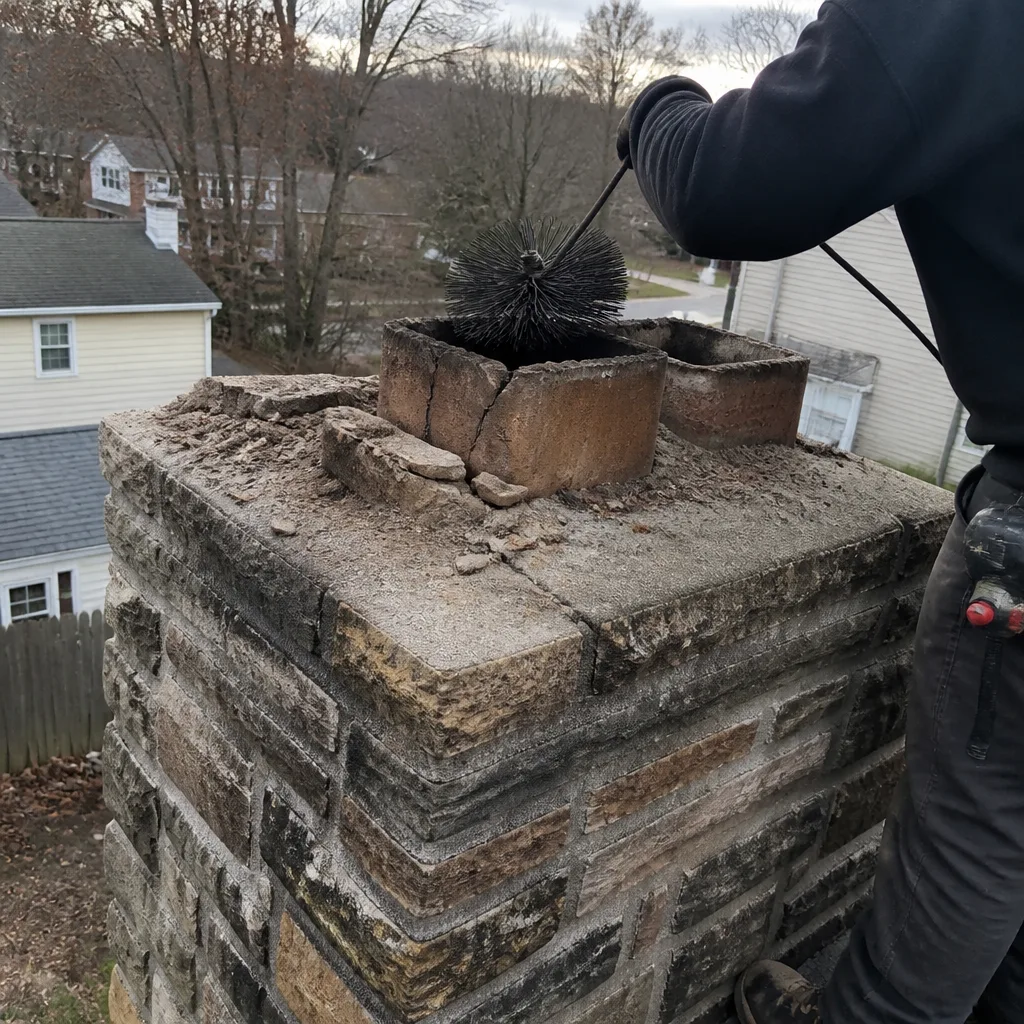 Before
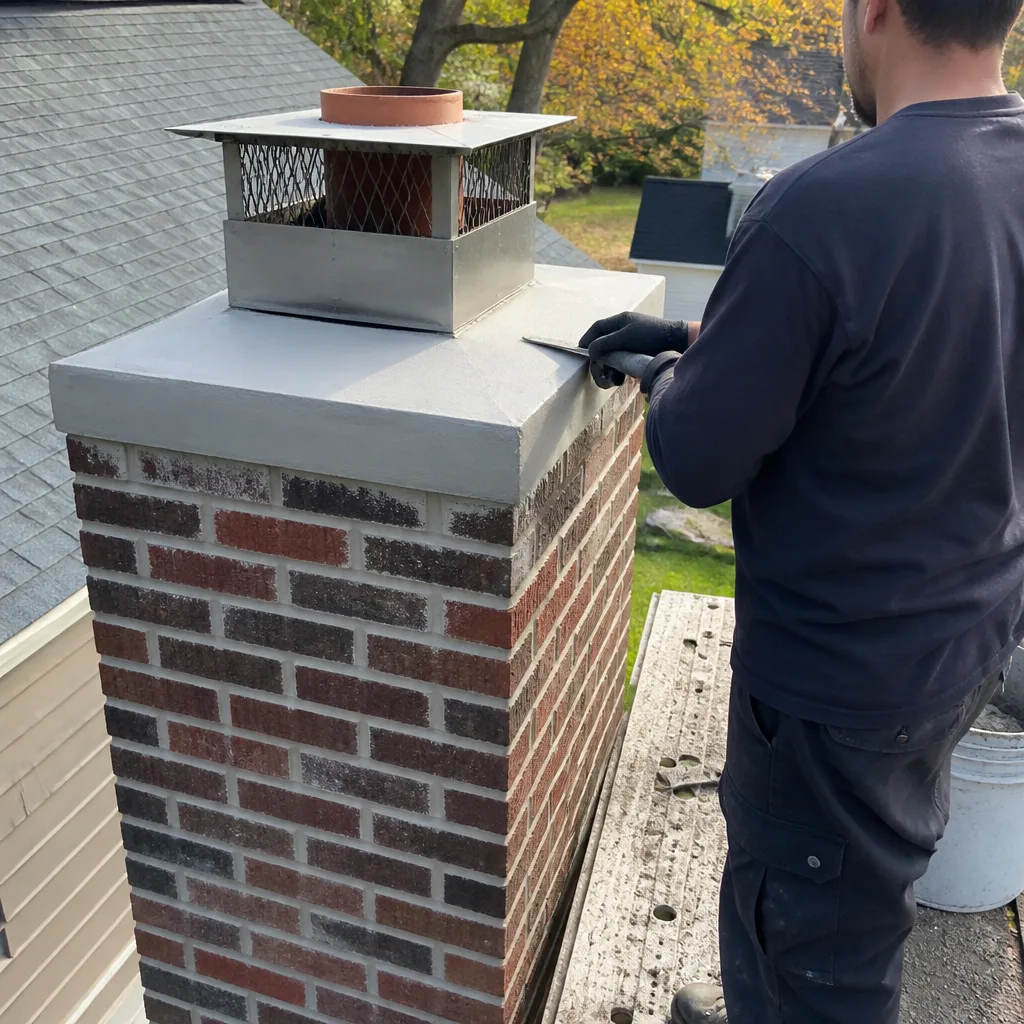 After
After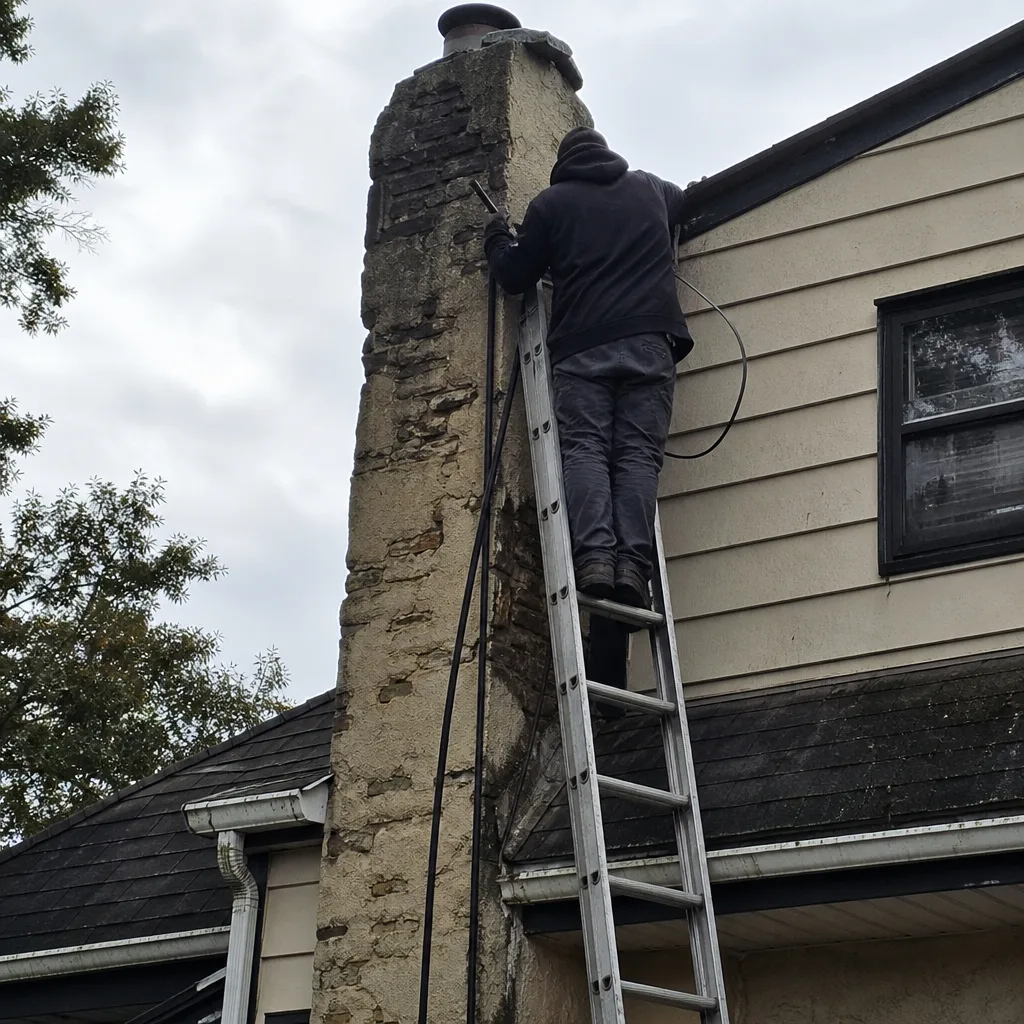 Before
 After
After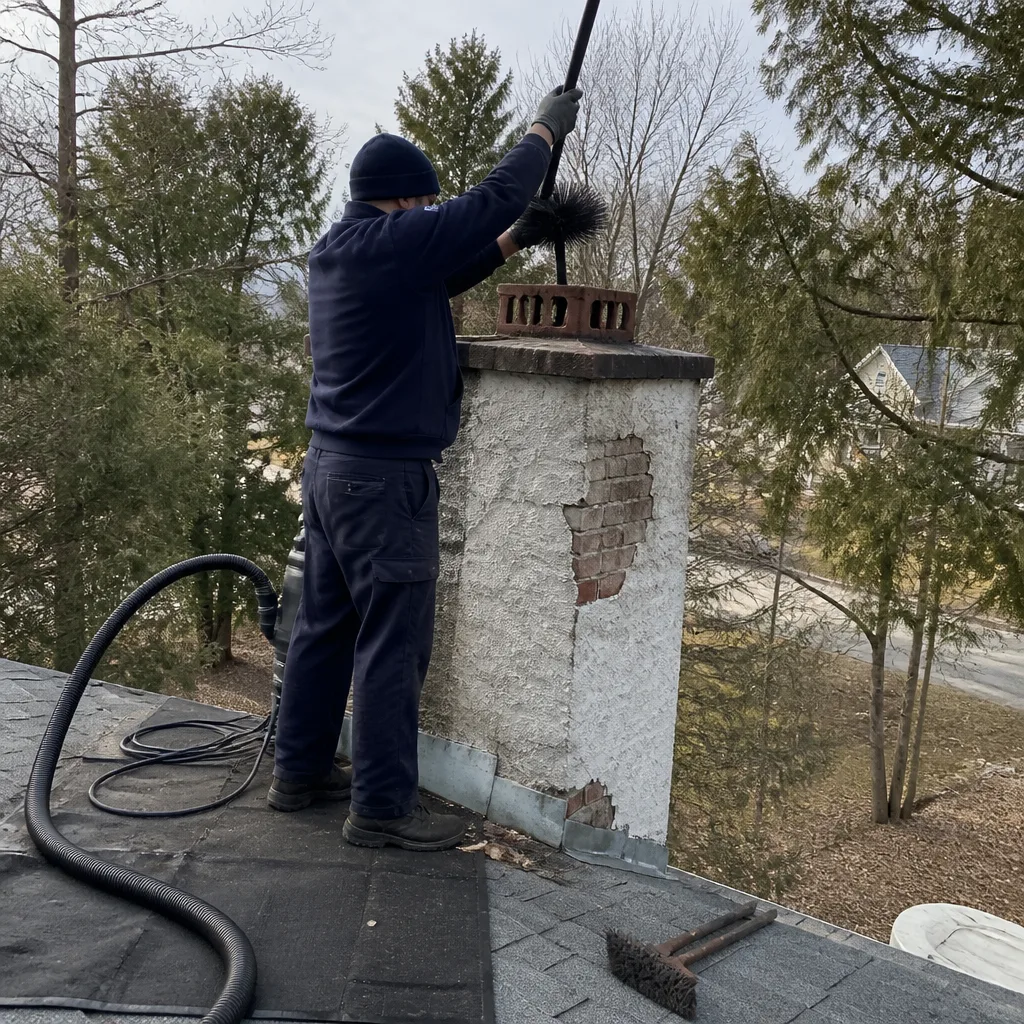 Before
 After
AfterChimney Cleaning Cost Breakdown: The Norristown Homeowner’s Reference for 2026
The $89 chimney cleaning special running on billboards along Main Street and Ridge Pike is real. It buys a brush pass through the flue, a flashlight glance from the firebox, and a verbal “looks good” that disappears the moment the truck leaves your driveway. The $350 version buys the same brush pass plus a camera scan of every flue tile, a written condition report with photos, and a documented record that holds up when your homeowner’s insurer asks for proof of maintenance after a chimney fire. Same words on the invoice, completely different scope. In Norristown, where row homes on Markley Street share party walls with century-old clay flues and Victorian-era houses in West Norriton sit under 12/12 pitch roofs that make every ladder placement a calculation, the gap between those two prices is not markup. It’s the difference between guessing and knowing what condition your chimney is actually in. This guide breaks down exactly what each price tier includes and excludes, so you can compare honestly before anyone books an appointment.
Quick Answer
Chimney cleaning in Norristown costs between $89 and $450 in 2026, depending on whether the service includes a camera inspection, written documentation, and proper NFPA 211 Level 2 scope. For related Chimney Cleaning Permits, Codes & Inspections in PA: What You Need to Know, see our code compliance guide. A legitimate, documented sweep with photo record for a standard single-flue fireplace in Norristown typically runs $280-$350. Prices climb when chimneys are taller than 25 feet, lined with damaged clay tile, or accessed from steep Victorian roofs common in the older neighborhoods.
Table of Contents
- What the Price Tags Actually Mean: Four Tiers of “Chimney Cleaning”
- Norristown-Specific Cost Factors: Height, Liner Type, and Roof Access
- The Hidden Mechanics of “Free Inspection” Pricing
- What Documentation Should Cost (and When It Shouldn’t Cost Extra)
- Warranty Value: What a Written Guarantee Should Actually Cover
- The Annual Maintenance Math: Catching Damage at Stage 2 vs. Stage 3
- Common Mistakes to Avoid
- When to Call a Professional
- Frequently Asked Questions
- The Bottom Line
 Before
 After
AfterWhat the Price Tags Actually Mean: Four Tiers of “Chimney Cleaning”
Every company in the Norristown market advertises “chimney cleaning” or “chimney sweep.” Almost none itemize what that phrase covers. After inspecting and cleaning more than 38,000 chimneys since 2009, we’ve learned to sort the market into four distinct tiers.
Tier 1: The Brush Pass ($89-$140)
This is a technician with rods and brushes who runs a sweep from the firebox to the top of the flue. No camera. No written report. Often no ladder to the roof at all if the sweep is done from below using a rotary system. The technician may shine a flashlight up the flue and offer a verbal assessment.
What it excludes: Any documentation of flue liner condition, smoke chamber inspection, crown or cap evaluation from above, and any record you can present to an insurer or home buyer. In Norristown’s older housing stock, particularly the pre-1940 brick row homes near the courthouse district, a brush pass without camera verification misses cracked clay tiles that are visually intact from below but fractured where the flue passes through the attic. We’ve found separated tile joints in these homes that a flashlight simply cannot reveal.
Tier 2: The Sweep Plus Basic Inspection ($180-$250)
This tier adds a visual inspection from the firebox and roof level, sometimes with a basic mirror or light. The technician may note obvious exterior damage, missing cap, or major creosote buildup. You might receive a checklist or a brief written summary.
What it still excludes: Internal camera documentation of the flue liner, photo record, and any assessment of the smoke chamber (the area above the damper that funnels smoke into the flue). The smoke chamber is where many chimney fires begin, and it’s invisible without proper access and lighting. In Norristown’s converted coal-burning fireplaces, smoke chambers are often corbeled brick that was never parged smooth, creating turbulence that accelerates creosote accumulation.
Tier 3: NFPA 211 Level 2 Inspection with Sweep ($280-$350)
This is the standard we established as default practice in 2009, years before it became Clause 4 of the Haven Standard. It includes:
- Full brush and vacuum cleaning of the flue from top to bottom
- Camera scan of the entire flue liner, from smoke chamber to cap, with footage reviewed in real time with the homeowner when possible
- Inspection of the firebox, smoke chamber, damper assembly, and exterior crown, cap, and flashing
- Written condition report with photo documentation
- Written price for any recommended repairs before work begins
The photo record is not optional. It’s archived and available if you need to prove maintenance history. For Norristown homeowners in the 32-50 age bracket who bought between 2015 and 2025, this documentation matters when you sell. Buyers’ inspectors ask for it, and insurers increasingly require proof of annual maintenance for wood-burning systems.
Tier 4: Heavy Debris or Hazardous Conditions ($350-$450+)
This applies when the chimney contains Class III glazed creosote (a hard, tar-like deposit that requires chemical treatment or mechanical removal beyond standard brushing), significant nesting material from squirrels or chimney swifts, or structural damage that makes standard cleaning unsafe without preliminary repair. In Norristown, we see this most often in chimneys that haven’t been swept in 5+ years, particularly in rental properties or inherited homes where the previous owner’s maintenance history is unknown.
Here’s how the tiers compare in practical terms:
| What’s Included | Tier 1 ($89-$140) | Tier 2 ($180-$250) | Tier 3 ($280-$350) |
|---|---|---|---|
| Brush/vacuum cleaning | Yes | Yes | Yes |
| Roof access for cap/crown inspection | Rarely | Sometimes | Always |
| Internal camera scan of flue | No | No | Yes |
| Written condition report with photos | No | Checklist only | Yes |
| Written repair quote before work | No | Sometimes | Yes (Haven Standard Clause 1) |
| Documented record for insurer/buyer | No | No | Yes (Haven Standard Clause 4) |
| 365-day workmanship warranty | Unlikely | Rarely | Yes (Haven Standard) |
Norristown-Specific Cost Factors: Height, Liner Type, and Roof Access
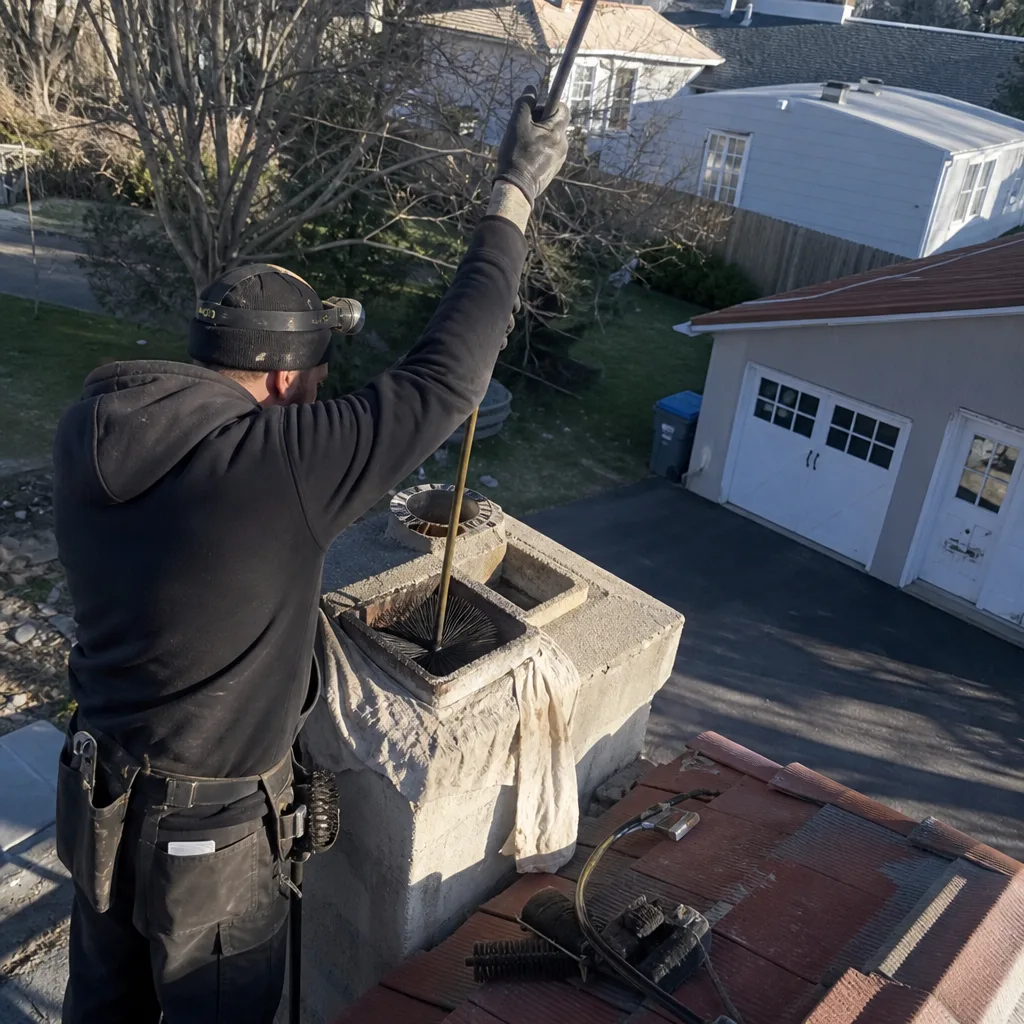
Three structural realities in Norristown push chimney service prices above the national baseline of $150-$300. Understanding them helps explain why a quote from a company that works mostly in flat-suburb developments won’t match what your home actually requires.
Factor 1: Chimney Height Above Roofline
Norristown’s zoning and building stock create chimneys that run taller than the 15-foot average. Row homes with multiple flues stacked for original coal heat, then converted to gas or oil, often extend 25-35 feet from basement to cap. Victorian-era homes in West Norriton and the near-suburban pockets have main chimneys that serve multiple fireplaces across two or three stories. Each additional 10 feet of flue adds rod sections, time, and safety equipment. A 30-foot flue takes roughly 40% longer to sweep and camera-scan than a 15-foot flue. Companies pricing for standard suburban ranch homes often underestimate this, then add trip charges or “tall chimney fees” on arrival. We price for actual height during scheduling, not after we arrive.
Factor 2: Liner Type and Condition
The three liner types we encounter in Norristown each carry different inspection and cleaning implications:
- Clay tile flues: Standard in pre-1960 construction, including most of Norristown’s row home stock and early 20th-century frame houses. Individual tiles crack, shift, and separate at mortar joints. Camera inspection is essential because damage is rarely visible from either end. Replacement with a stainless steel liner from Olympia Chimney or a poured refractory system like HeatShield runs $2,500-$5,500 depending on length and diameter.
- Stainless steel liners: Common in post-1980 inserts and full relining jobs. Easier to clean, but the connection to the appliance or thimble needs camera verification. We’ve found improperly secured flex liners in Norristown homes where the original installer used inadequate fasteners at the top collar.
- Unlined or “parged” flues: Found in some pre-1900 construction where the brick was laid as the flue with no separate liner. These are grandfathered under some codes but require the most careful inspection. NFPA 211 recommends lining unlined chimneys when connecting modern appliances. Parging (smoothing the interior with refractory mortar) is an intermediate option.
The liner type affects cleaning difficulty, inspection time, and whether the sweep can be completed in one visit or requires a return with specialized equipment.
Factor 3: Access Difficulty on Row Homes and Steep-Pitch Roofs
Norristown’s built environment presents access challenges that flat-rate pricing from national booking platforms rarely account for. Row homes on narrow streets like Markley or Cherry have minimal setback, meaning ladders must be positioned at awkward angles or from adjacent properties. Victorian homes with 12/12 or steeper pitches, common in the older neighborhoods near Elmwood Park, require roof anchors, safety harnesses, and often two technicians for any work above the eaves. Steep-pitch surcharges of $50-$100 are standard in the trade when they’re disclosed upfront. When they’re not disclosed, they appear as “additional labor” line items that push the final invoice well above the quoted price.
We’ve also encountered chimneys in Norristown where the original cleanout door has been bricked over or concreted during basement renovations, forcing access only from above. This adds time and sometimes requires temporary removal of the damper assembly to get proper vacuum suction.
The Hidden Mechanics of “Free Inspection” Pricing
The “free chimney inspection” model operates on a specific economic structure that every homeowner should understand before scheduling. The inspection itself is loss-leading. The company recovers its technician’s time, vehicle cost, and opportunity cost through repair sales that are presented after the inspection, often with the technician already in your home and the implied pressure of an immediate decision.
This is not inherently dishonest. It becomes problematic when the inspection findings are not verifiable, when repair quotes are not written and itemized, and when the “free” inspection is actually a sales appointment dressed in technical clothing.
Here’s the mechanism we see most often in the Norristown market:
- The technician arrives and performs a brief visual inspection, sometimes without roof access, sometimes without camera equipment. The “inspection” takes 15-20 minutes.
- Significant findings are declared: cracked crown, deteriorated liner, dangerous creosote buildup requiring immediate attention. The homeowner has no baseline for whether these findings are accurate, exaggerated, or entirely fabricated.
- A repair quote is presented verbally or on a tablet, often with urgency language about fire hazard or carbon monoxide risk. The quote may be thousands of dollars.
- The technician offers to “get started today” to avoid a return trip, with a discount for immediate approval. This removes the homeowner’s ability to seek a second opinion or compare pricing.
The fundamental problem is information asymmetry. The technician has seen inside your chimney. You have not. Without a photo record you can review yourself, without a written quote you can take to another company, you are dependent entirely on their characterization.
At Emberly Chimney Cleaners Norristown home, we do not offer “free inspections” as a standalone service because the inspection is already built into our standard sweep price. The camera scan, photo documentation, and written report are included by default, not sold separately. If we find recommended repairs, you receive a written, itemized quote with photos of the specific damage. You can approve it, decline it, or take it to another company for a Chimney Repair in Norristown second opinion. Our Free Second Opinion policy applies to any competitor’s written estimate, not just our own work.
The Haven Standard’s Clause 1 requires a written price before any work starts. This specifically eliminates the “technician is already here” pressure tactic. The price is delivered before work begins, not after the truck is in your driveway.
What Documentation Should Cost (and When It Shouldn’t Cost Extra)
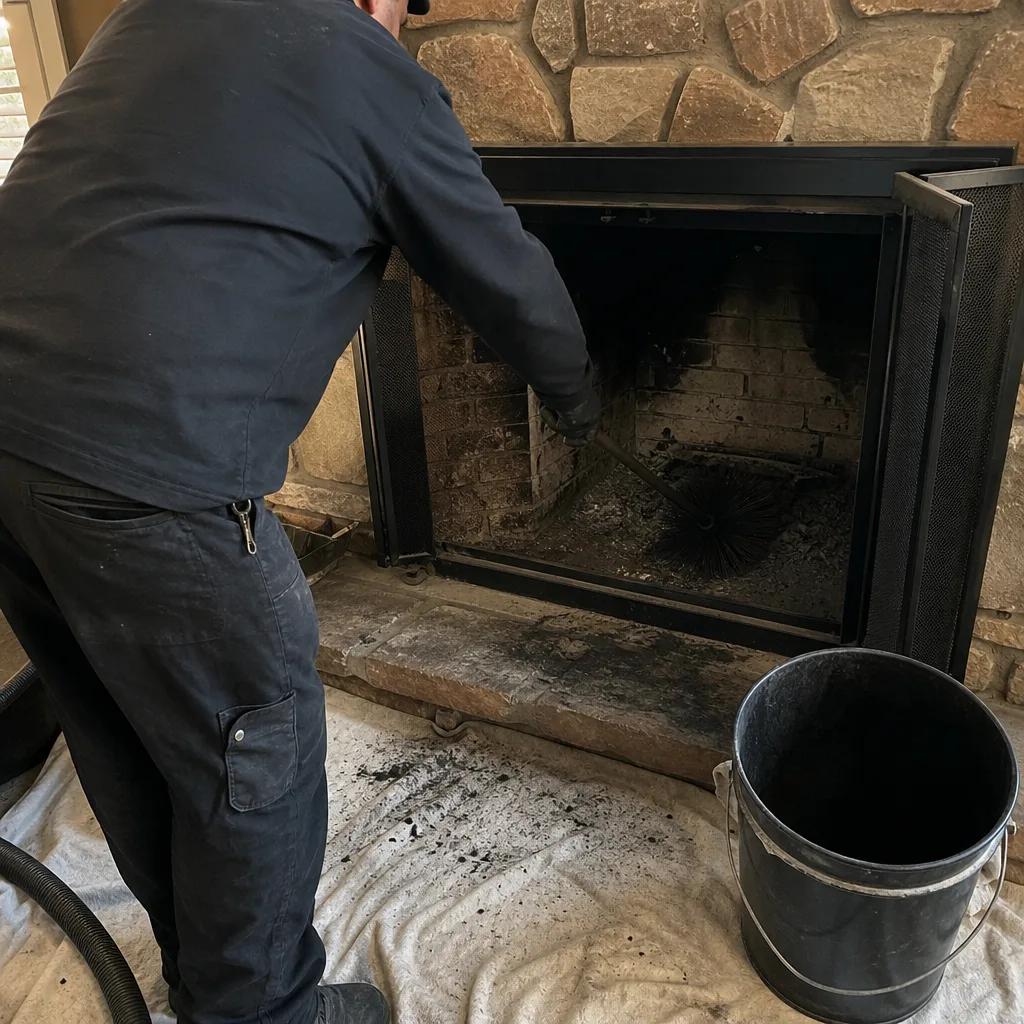
In the Norristown market, we see documentation treated three ways: as an unmentioned default, as a paid add-on, or as proof of professional standard. Understanding which you’re receiving changes how you value the service.
The Photo Record: Included or Extra?
Some companies itemize camera inspection at $75-$150, written reports at $25-$50, and photo documentation at $40-$75. This creates the illusion of choice and the reality of a higher final price than the advertised “sweep” rate. When camera inspection is optional, most homeowners decline it to save money, not understanding that they’re purchasing a cleaning without verification that the chimney is actually cleanable and intact.
Since 2009, we’ve included camera scan and photo documentation on every job. This became Clause 4 of the Haven Standard because we believe an undocumented sweep is incomplete. The photo record serves three purposes: it verifies the technician’s findings to the homeowner, it creates maintenance history for future owners or insurers, and it provides accountability if questions arise later about what was or wasn’t found.
The Written Quote: A Separate Document or the Invoice Itself?
A proper written quote before repair work should include: the specific scope of work, materials to be used (including brand names like Gelco caps or Famco dampers when applicable), labor breakdown, total price, and warranty terms. It should be signed by both parties before work begins.
We encounter homeowners in Norristown who received “quotes” that were verbal, or scribbled on a business card, or presented as a single lump sum with no itemization. These are not quotes. They are invitations to overpay. The Haven Standard’s Clause 1 requires written price, written scope, and written warranty before work starts. Not because paperwork is virtuous, but because ambiguity benefits the party with more information, which is always the service provider.
What You Should Walk Away With
After any chimney service in Norristown, you should have:
- A receipt showing what was done, when, and by which technician
- Photo or video documentation of flue liner condition
- Written assessment of any recommended repairs with specific locations and severity
- Written quote for any repairs, with scope and price fixed before work begins
- Warranty documentation for any work performed
If you are missing any of these, you have paid for a service without receiving proof of what was done. For a system that vents combustion gases through your home’s structure, that documentation is not bureaucratic excess. It is the only evidence that due diligence occurred.
Warranty Value: What a Written Guarantee Should Actually Cover
Warranty language on chimney services varies from explicit to evasive. Understanding what a warranty should cover helps you calculate the true cost of a service, not just the invoice price.
A meaningful chimney service warranty should specify:
- Duration: Workmanship warranties of 90 days to 1 year are standard for cleaning and inspection. Major repairs like relining or rebuilds should carry longer terms. Our 365-Day Done Right Promise covers any workmanship issue for a full year.
- What triggers coverage: “Done right” means the work performed meets the scope agreed in writing. If a cap installation leaks at the seal, it’s covered. If a new liner separates at the collar, it’s covered. The warranty should not exclude problems that are direct results of the work performed.
- Response mechanism: How do you make a claim? Who responds? How quickly? Vague language like “satisfaction guaranteed” without process is not a warranty. It’s marketing.
- Transferability: If you sell your Norristown home, does the warranty transfer to the new owner? Documented, transferable maintenance records add value in a sale. Undocumented work does not.
The absence of warranty documentation from an invoice changes the value calculation significantly. A $250 sweep with no warranty and no photo record is actually more expensive than a $320 sweep with a 365-day workmanship guarantee and archived documentation, if you value accountability and resale documentation. Most Norristown homeowners in our experience do value these things once they understand what’s at stake in a chimney fire or insurance claim.
Materials matter for warranty durability. We source caps, dampers, and liner components through our Haven buying network from established manufacturers including Copperfield and Olympia Chimney. These carry their own product warranties, separate from our workmanship coverage, so you’re protected at both levels if a material defect appears.
The Annual Maintenance Math: Catching Damage at Stage 2 vs. Stage 3
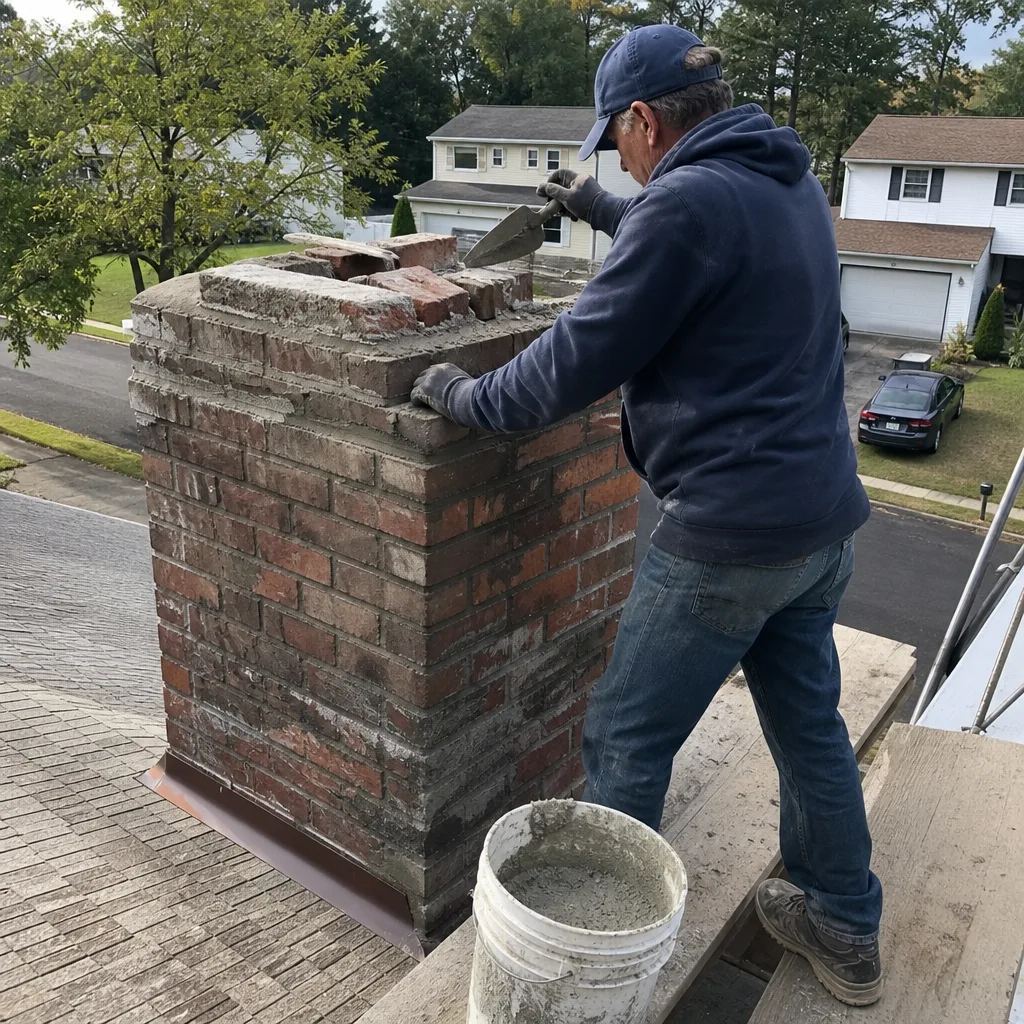
The financial case for documented annual sweeping rests on the cost difference between catching liner damage early and discovering it after it has progressed. This is not theoretical. We have the records from 38,000+ inspections that show the pattern clearly.
Stage 1: Normal Wear ($0 additional)
Minor spalling (flaking) of clay tile, slight mortar erosion, thin creosote layer under 1/8 inch. Addressed with standard cleaning and monitoring. No repair needed.
Stage 2: Active Deterioration ($800-$2,500)
Cracked tiles, separated joints, or thinning liner walls visible on camera. May require localized repair, stainless steel sleeve for a damaged section, or HeatShield cerfractory foam application to restore smooth flue surface. In Norristown’s clay tile chimneys, we catch this most often in homes that have been swept on a 2-3 year cycle rather than annually. The freeze-thaw cycles of southeastern Pennsylvania winters accelerate mortar degradation once water begins entering through crown cracks.
Stage 3: Structural Compromise ($2,500-$7,500+)
Multiple cracked or missing tiles, liner collapse, or heat damage to surrounding masonry. Requires full relining with stainless steel or complete rebuild of the chimney structure. At this stage, the chimney may be unsafe to use until repaired, and the homeowner faces emergency heating alternatives during Norristown’s coldest months.
The per-year cost calculation works out as follows. A documented Level 2 inspection and sweep at $280-$350 annually, over 10 years, totals $2,800-$3,500. Catching one Stage 2 issue during that decade and addressing it for $1,500-$2,000 brings the 10-year total to $4,300-$5,500. Allowing the same chimney to reach Stage 3 once in that period costs $4,000-$7,500 for the repair alone, plus the same decade of sweeps, for a total of $6,800-$10,500.
The documented annual maintenance is not only safer. It is less expensive, even if you never have a major repair. And if you do sell your Norristown home during that decade, the maintenance record is a transferable asset that buyers’ inspectors recognize.
We’ve seen this pattern repeatedly in Norristown neighborhoods where homeowners skipped sweeps during the 2020-2022 period, then called with emergency smoke backup or visible exterior damage in 2023-2024. The deferred maintenance saved $300-$600 and cost $4,000-$6,000.
Common Mistakes to Avoid
- Booking on price alone without asking what’s included. The $89 special and the $320 service share a name but not a scope. Ask specifically: Is camera inspection included? Is there a written report? Will the technician go on the roof?
- Accepting verbal findings without photo verification. Any claim of cracked tile, dangerous creosote, or crown damage should be shown to you, not described. Modern camera equipment makes this standard, not exceptional.
- Approving repairs without a written, itemized quote. Pressure to decide while the technician is present is a red flag. A legitimate company leaves a written quote you can review. Our Haven Standard Clause 1 forbids starting work without written agreement.
- Ignoring access difficulties specific to Norristown homes. Row home party walls, steep Victorian pitches, and buried cleanouts are common here. A company that prices generically will either underestimate and add charges, or skip steps to avoid the difficulty.
- Assuming all “certified” or “licensed” claims are equivalent. Ask for license numbers. Verify them. In Pennsylvania, home improvement contractor registration is required for jobs over $500. We display our license information on every page.
- Neglecting to request documentation for insurance purposes. After a chimney fire, your insurer may deny coverage if you cannot prove annual maintenance. A verbal “we swept it” is not proof. Photos and written reports are.
- Waiting for visible exterior damage before scheduling. By the time you see spalling brick or a leaning chimney, internal damage is advanced. Annual camera inspection catches what exterior observation cannot.
When to Call a Professional
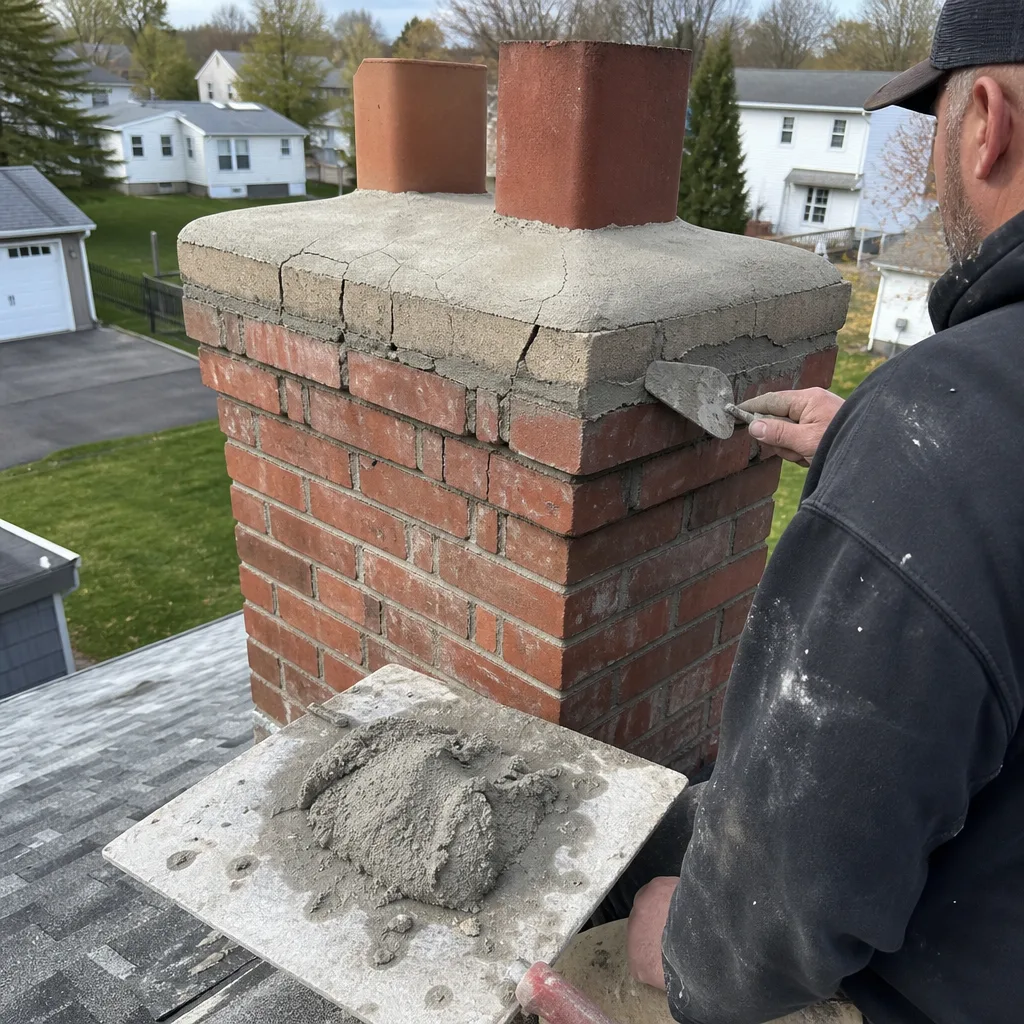
Schedule a professional chimney evaluation if you notice any of the following: smoke drafting back into the room, a strong odor from the fireplace in warm weather, visible creosote flakes in the firebox, water stains on ceiling drywall near the chimney, or if it has been more than 12 months since your last documented inspection. For a full list of symptoms, see our Chimney Cleaning Warning Signs: A Norristown Homeowner’s Reference Guide. In Norristown, where many homes burn seasoned hardwood from local suppliers, annual sweeping is the NFPA 211 recommendation for active wood-burning fireplaces.
Do not attempt to evaluate flue liner condition yourself. The interior of a chimney flue is not visible without proper equipment, and the hazards of climbing to inspect a crown or cap are significant on steep or high roofs. Carbon monoxide and chimney fire risks are real and specific, not abstract threats. A properly maintained chimney vents these dangers; a compromised one does not.
Chimney Cleaning & Sweep in Norristown from Emberly Chimney Cleaners includes the camera scan, photo documentation, and written report as standard. We also offer Fireplace Services in Norristown for insert maintenance, damper repair, and firebox restoration. For a free estimate with upfront pricing, call us at (484) 552-9695. Live phone support is available 24 hours a day, and you’ll speak with a person, not a voicemail system.
Frequently Asked Questions
A legitimate chimney sweep with NFPA 211 Level 2 camera inspection and written documentation in Norristown typically costs $280-$350 for a standard single-flue fireplace. Basic brush-only services without documentation run $89-$140, and heavy creosote or access difficulties can push prices to $450. Call (484) 552-9695 for an exact quote based on your chimney’s specifications - estimates are free. Browse more guides & resources on chimney care and home safety.
You need a new liner if your existing liner is cracked, separated, or missing in sections that create a path for heat or combustion gases to reach combustible framing. This is determined by camera inspection, not guesswork. In Norristown’s clay tile chimneys, we find damage that requires attention in roughly 15-20% of inspections on homes built before 1960. If a company recommends relining without showing you camera evidence of specific damage, get a second opinion. Our Free Second Opinion policy applies to any competitor’s written estimate.
The National Fire Protection Association recommends annual inspection for all chimneys, and sweeping when creosote buildup exceeds 1/8 inch. For active wood-burning fireplaces in Norristown, where homeowners often burn oak, maple, or ash from Pennsylvania suppliers, annual sweeping is typical. Gas fireplaces require less frequent cleaning but still need annual inspection of the venting system, cap, and termination. The specific interval for your system depends on fuel type, burn frequency, and what the camera inspection reveals.
Skipped maintenance allows creosote accumulation, which is combustible and causes chimney fires. It also permits liner deterioration to progress undetected, potentially allowing carbon monoxide infiltration or structural heat damage. In Norristown’s freeze-thaw climate, small crown cracks admitted in autumn become spalled brick and mortar loss by spring. The cost of catching damage at Stage 2 versus Stage 3 typically differs by $2,000-$5,000. Call (484) 552-9695 to schedule before the burning season begins.
Norristown’s older housing stock, taller chimneys, and difficult roof access push prices above the national $150-$300 range. Row home party walls, steep Victorian pitches, and converted coal-era flues require more time, equipment, and expertise than standard suburban construction. Companies quoting national averages often add surcharges on arrival or skip necessary steps. We price for actual conditions during scheduling.
An NFPA 211 Level 2 inspection includes examination of accessible portions of the chimney exterior and interior, including attics, crawl spaces, and basements; camera scan of the flue liner; inspection of the firebox, smoke chamber, and damper; and assessment of the crown, cap, and flashing from roof level. It produces a written report with photo documentation. This is our default service, not an upgrade, and has been since 2009. The Chimney Cleaning & Sweep in Norristown page details our full process.
Homeowners can brush a flue from below using consumer-grade rods and brushes, but this does not constitute an inspection. You cannot evaluate liner condition, smoke chamber integrity, or crown deterioration without proper equipment and roof access. More importantly, you cannot document the work for insurance or resale purposes. The safety risks of climbing to inspect or clean from above are significant on steep roofs. We recommend professional evaluation for any chimney that vents combustion gases in your home.
The Bottom Line
Chimney cleaning prices in Norristown in 2026 range from $89 to $450 because the term covers fundamentally different services. The honest comparison requires itemizing what’s included: camera inspection, photo documentation, written report, roof access, and warranty protection. A documented sweep with full NFPA 211 Level 2 scope runs $280-$350 for most Norristown homes, with increases for height, access difficulty, and liner condition. Over a decade of ownership, annual documented maintenance costs less than deferred maintenance that allows one major repair. The documentation itself, archived under Haven Standard Clause 4 since our founding in 2009, protects your insurance coverage, your home sale, and your family’s safety. Before you book any appointment, ask what you’ll receive in writing when the technician leaves. The answer separates a brush pass from a professional service.
Written by Corrine Halstead, Owner at Emberly Chimney Cleaners Norristown, serving Norristown since 2009.