
Last updated September 22, 2026
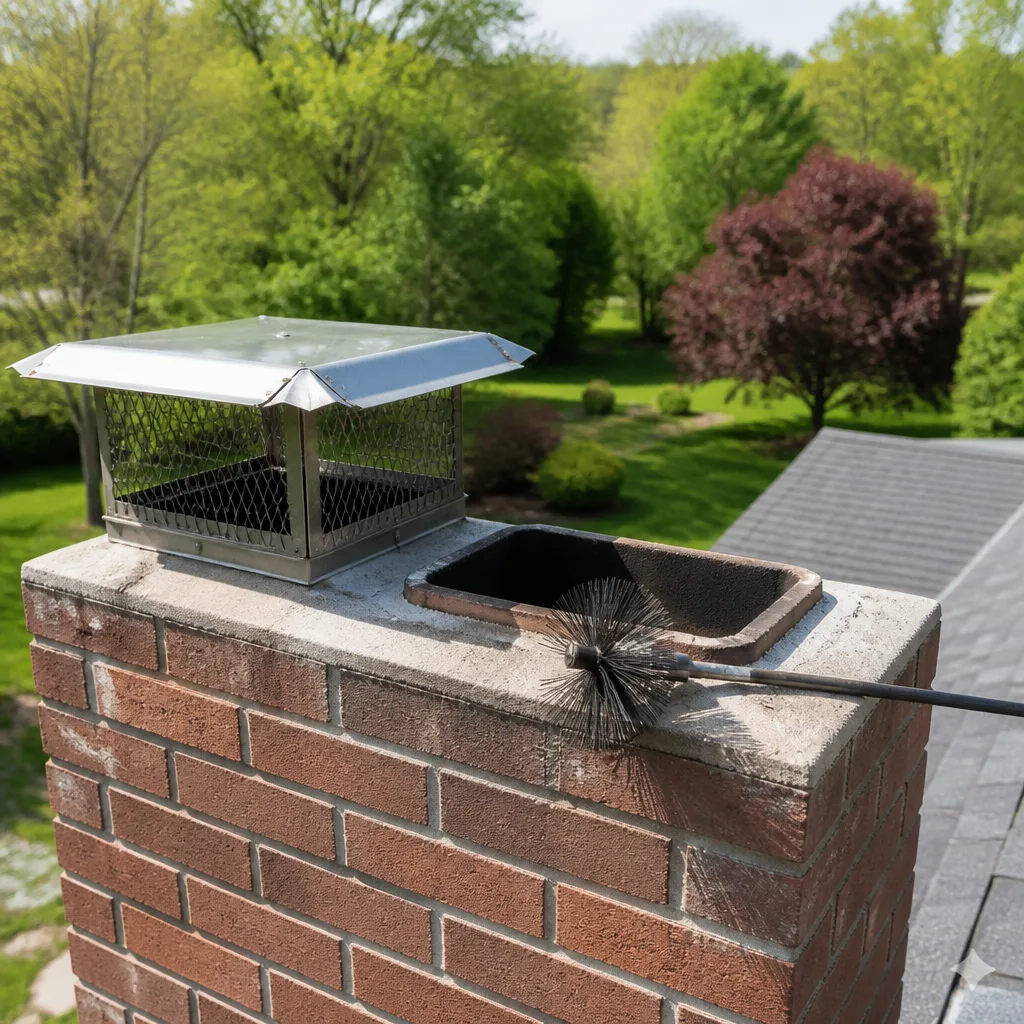
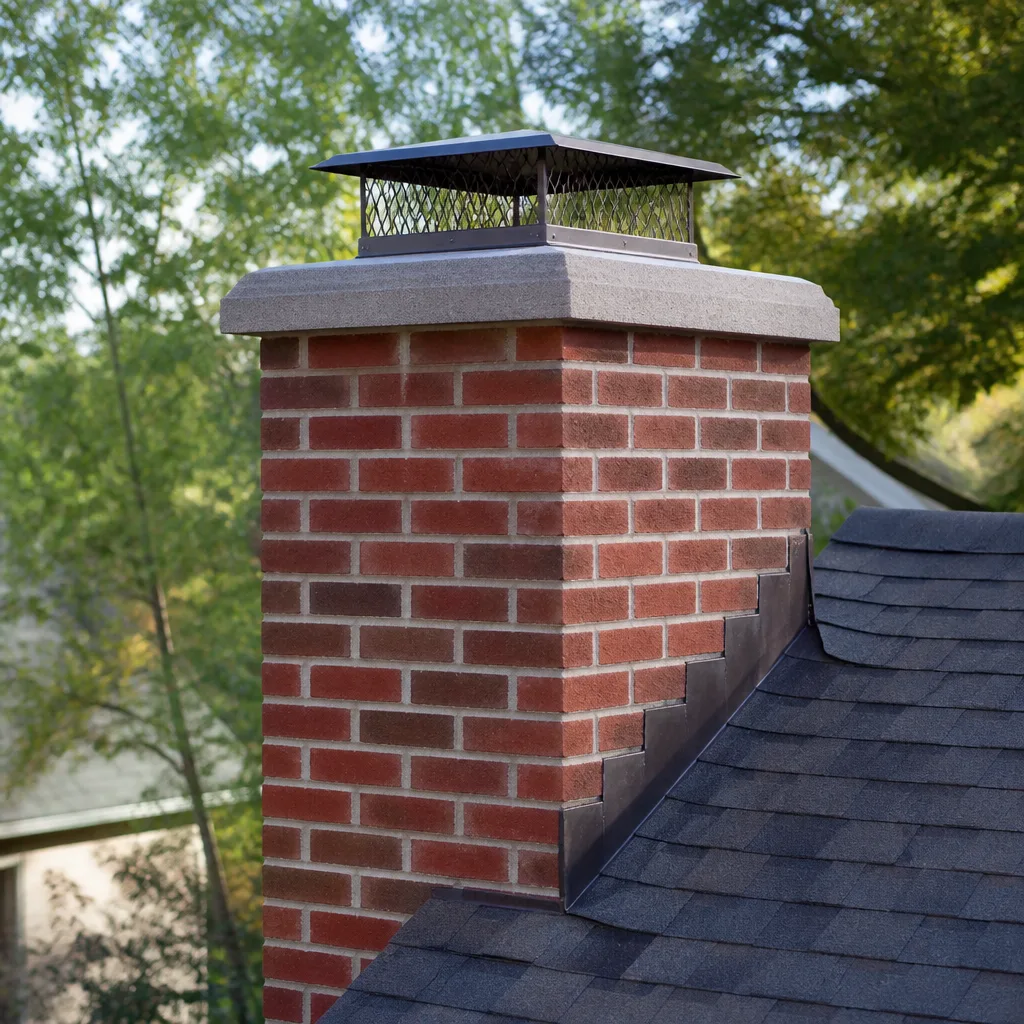
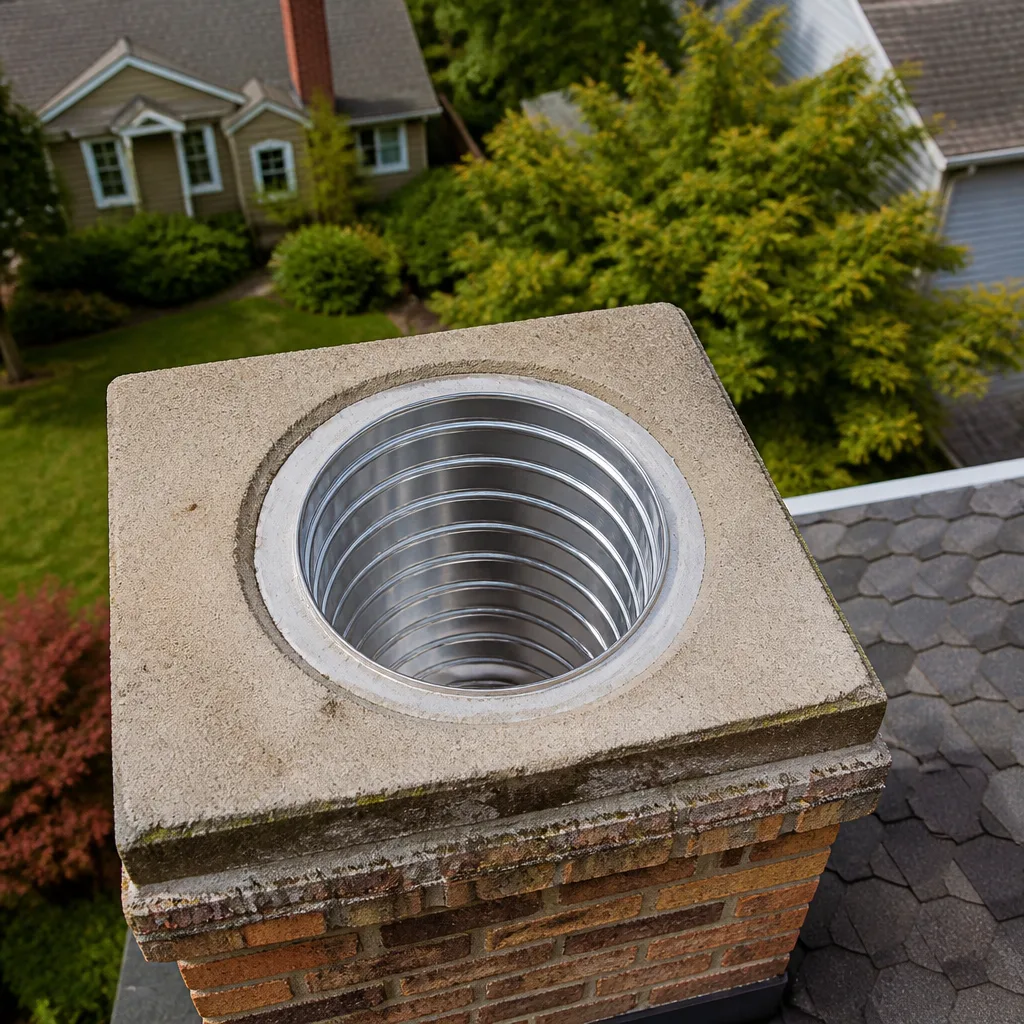
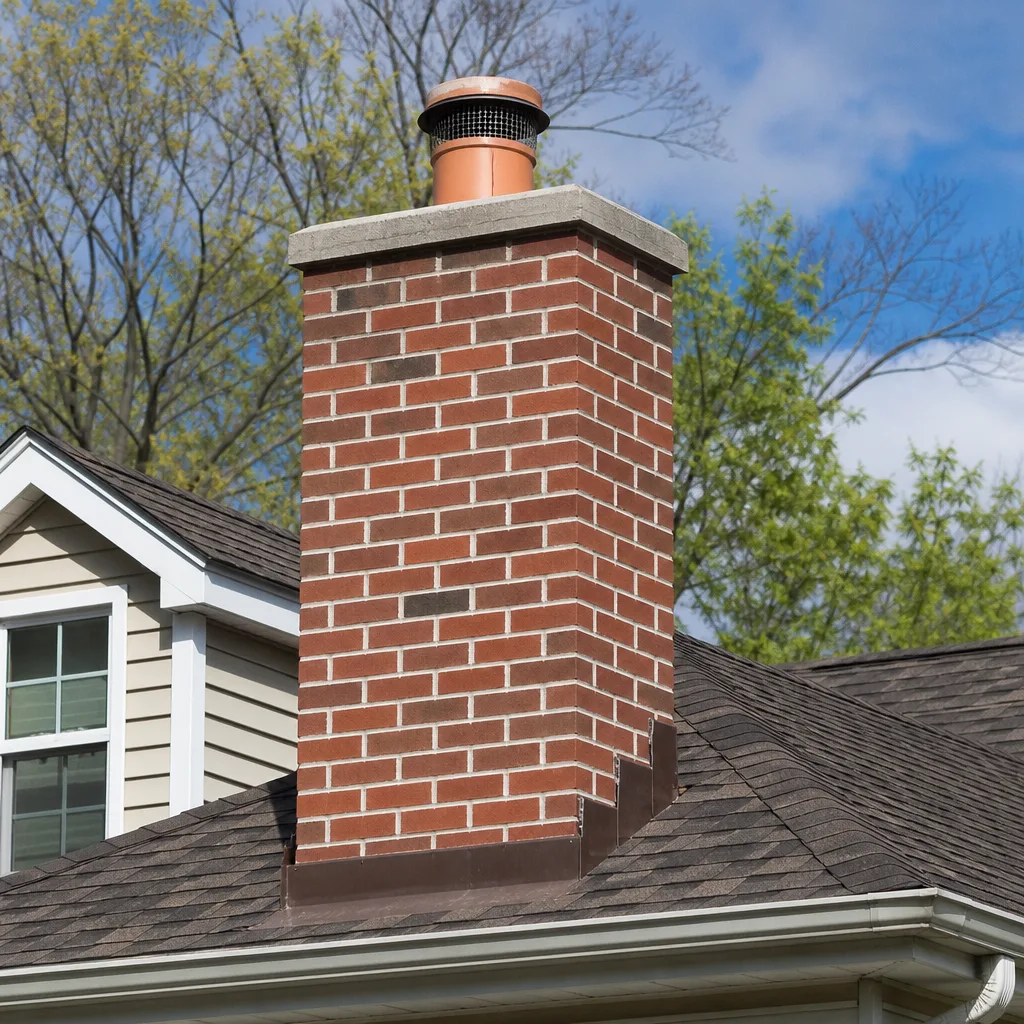
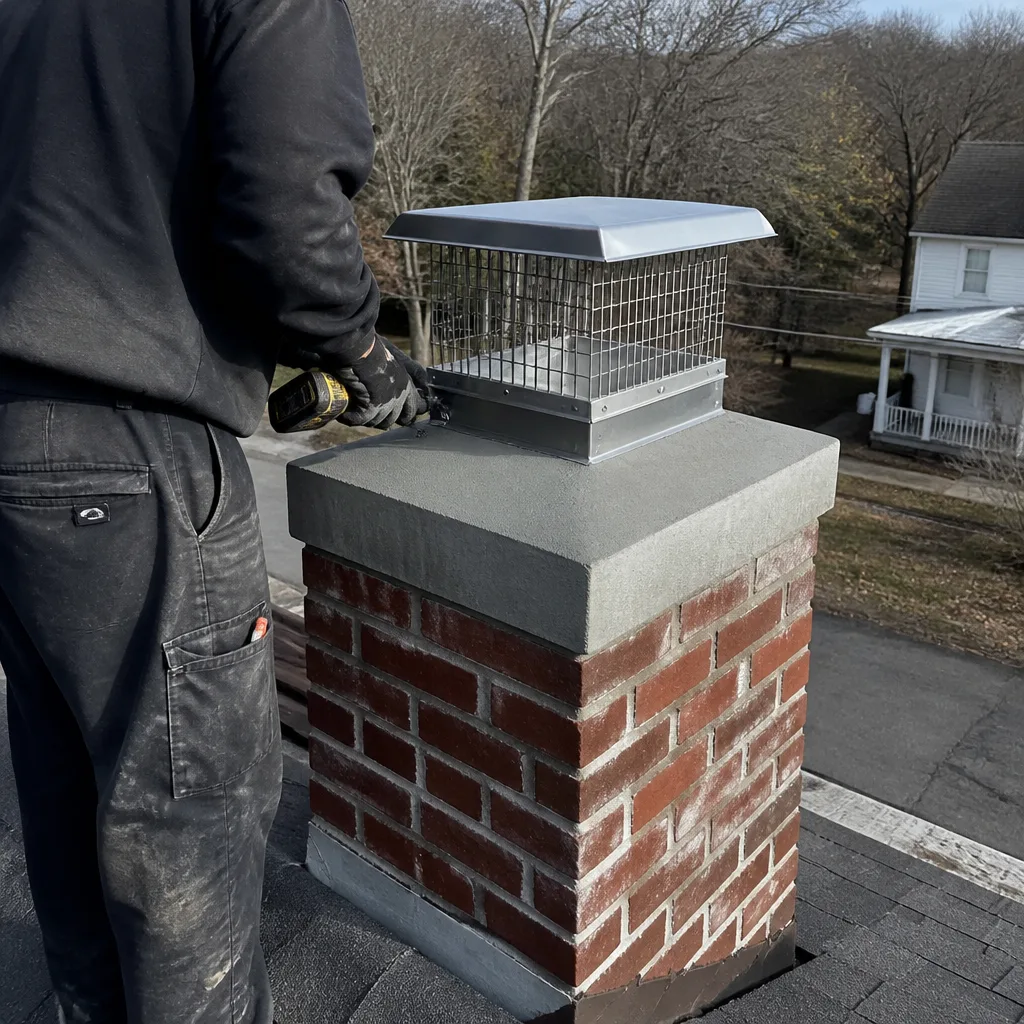
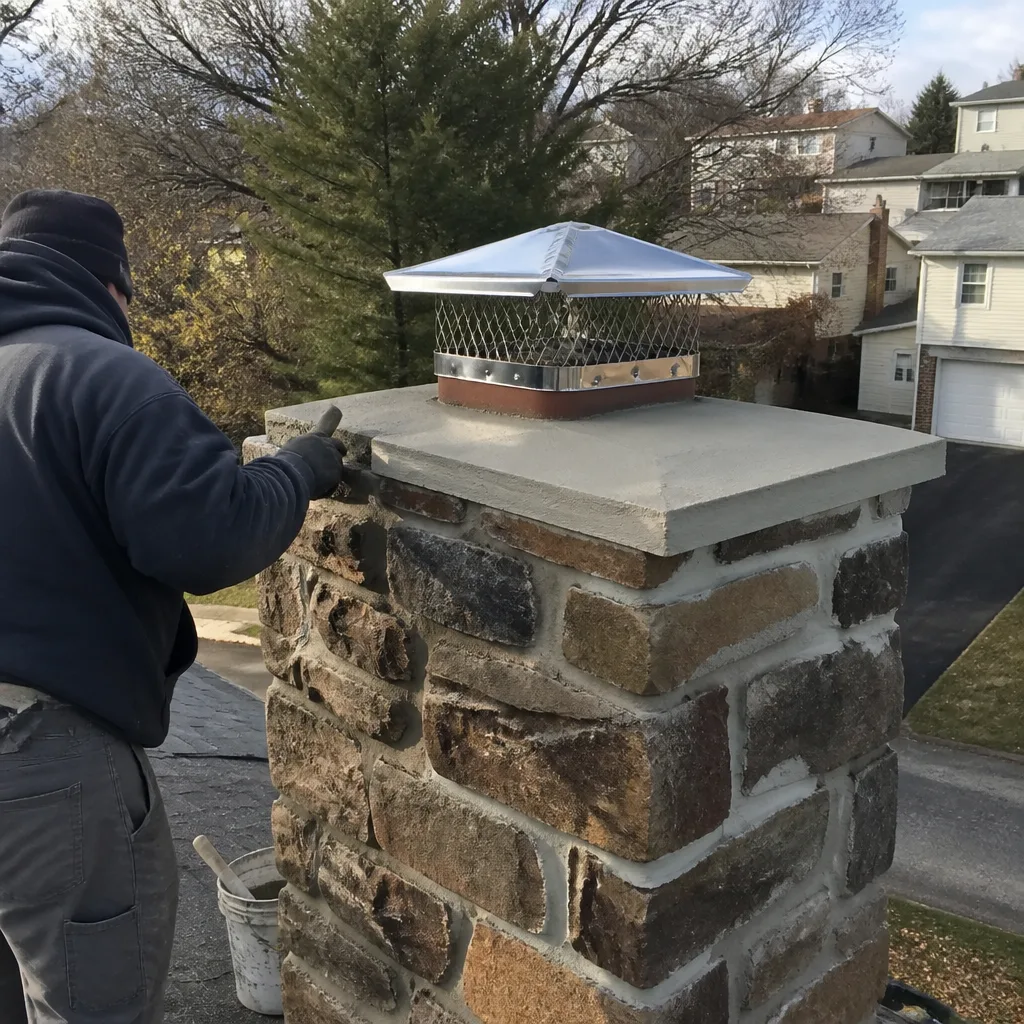
Level 1 sweep and inspection to the NFPA 211 annual standard - flue, crown, cap, and flashing checked and photographed
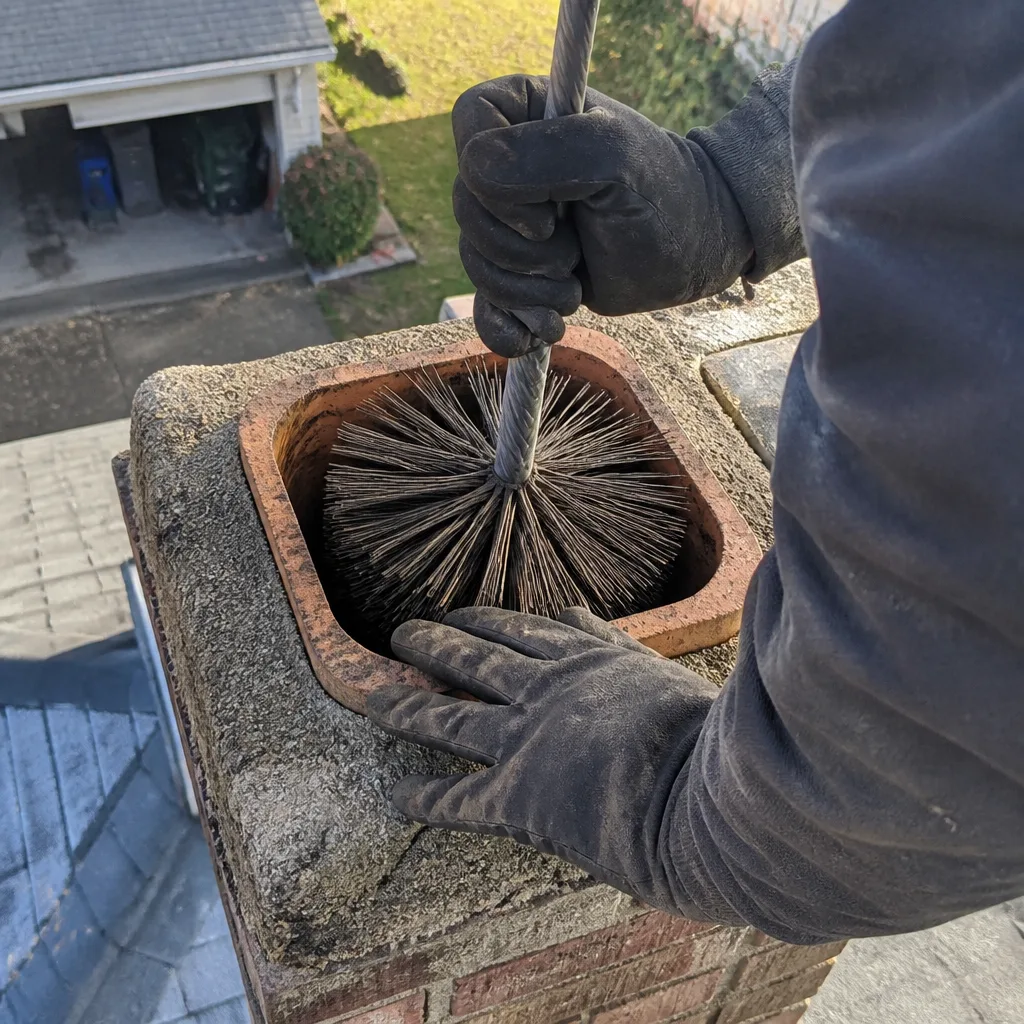
Chimney sweep logs do not sweep chimneys. They loosen some creosote - which then falls where a brush and vacuum still have to collect it.
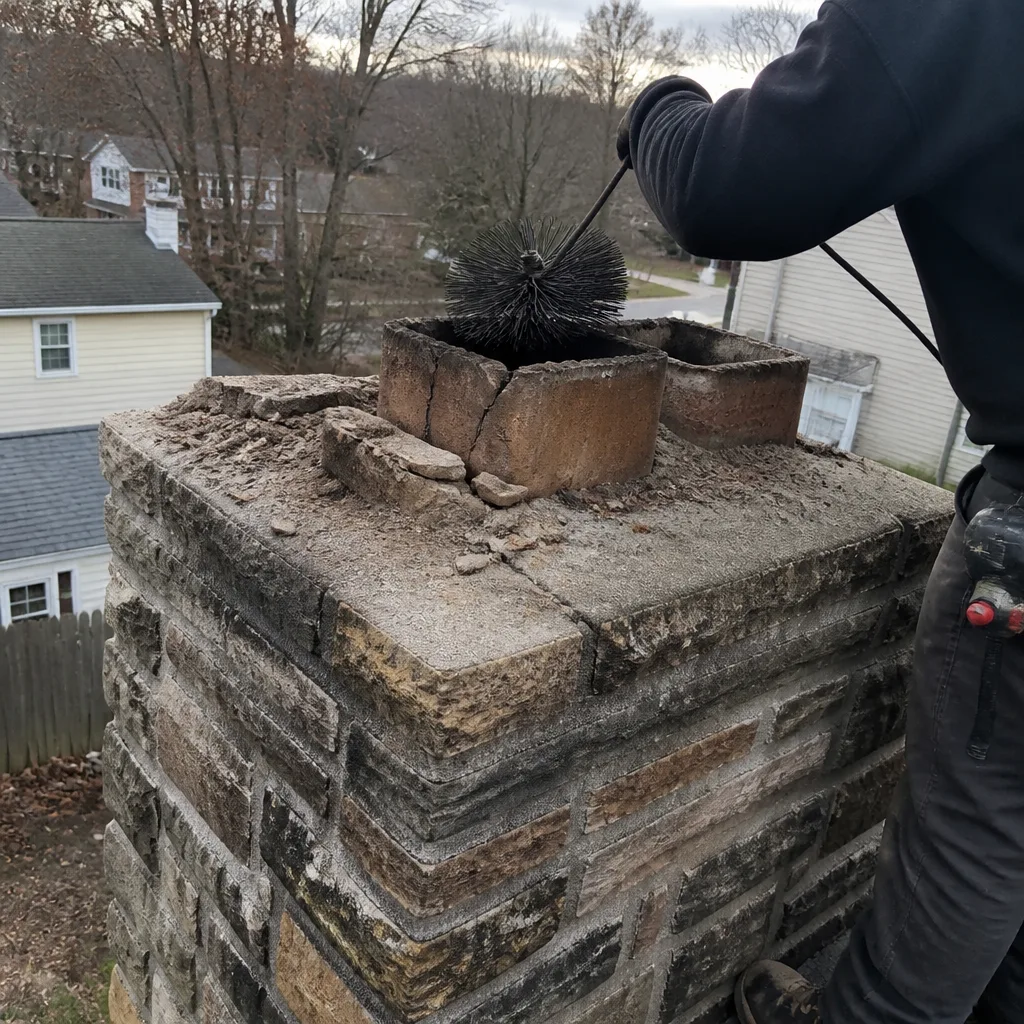 Before
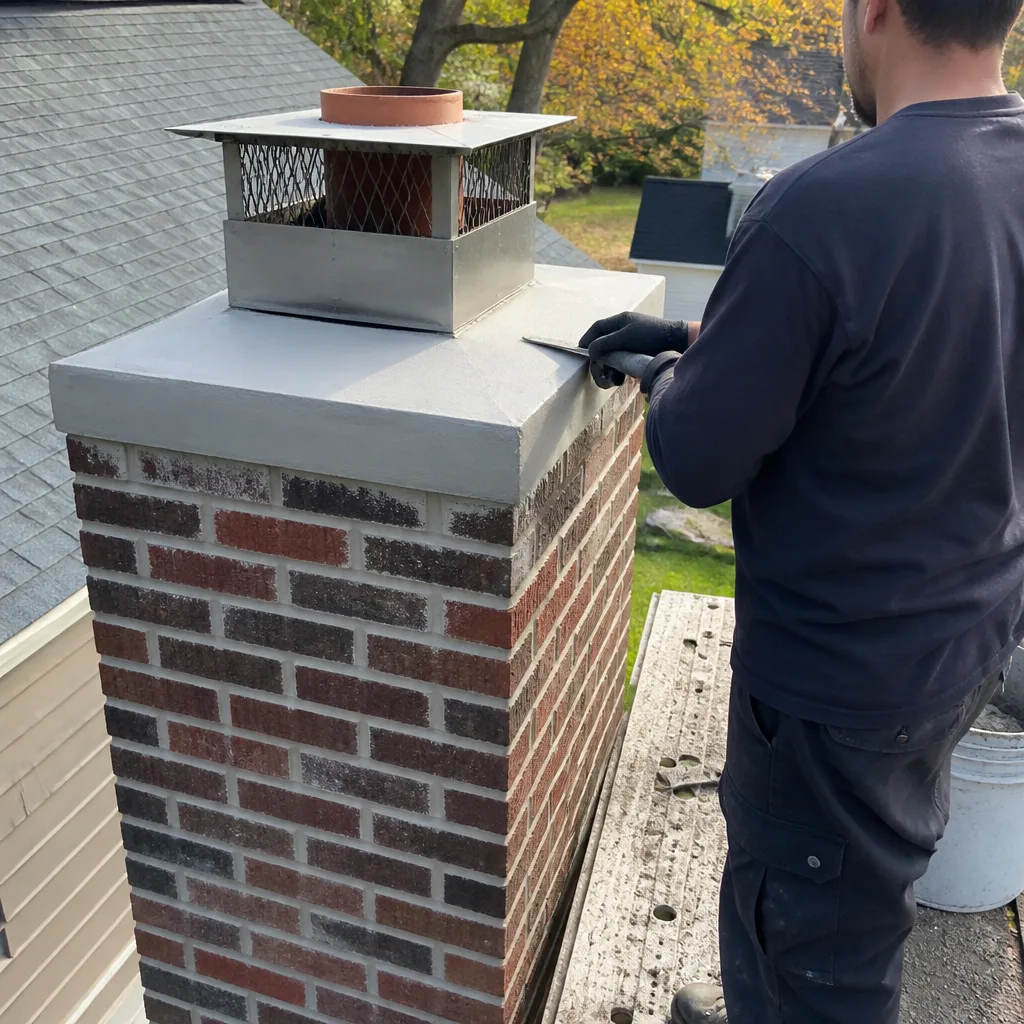 After
After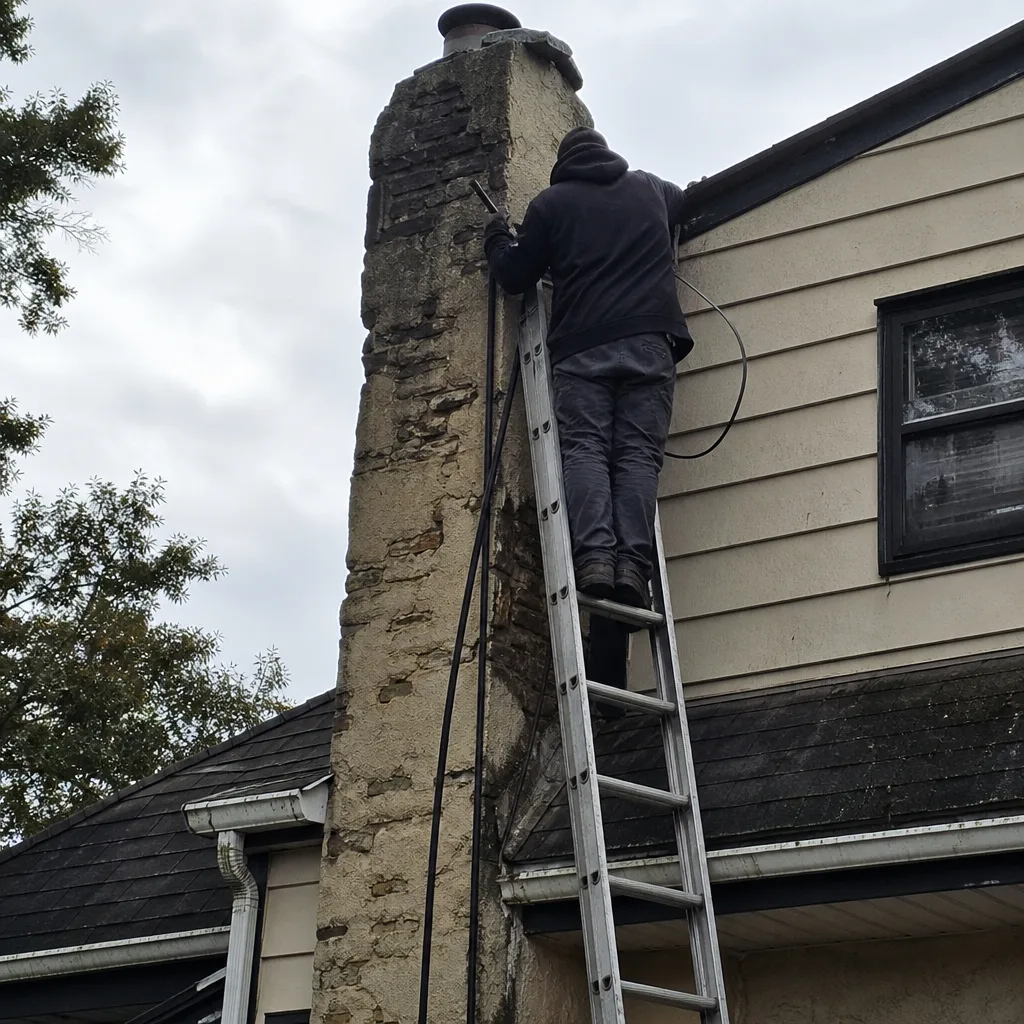 Before
 After
After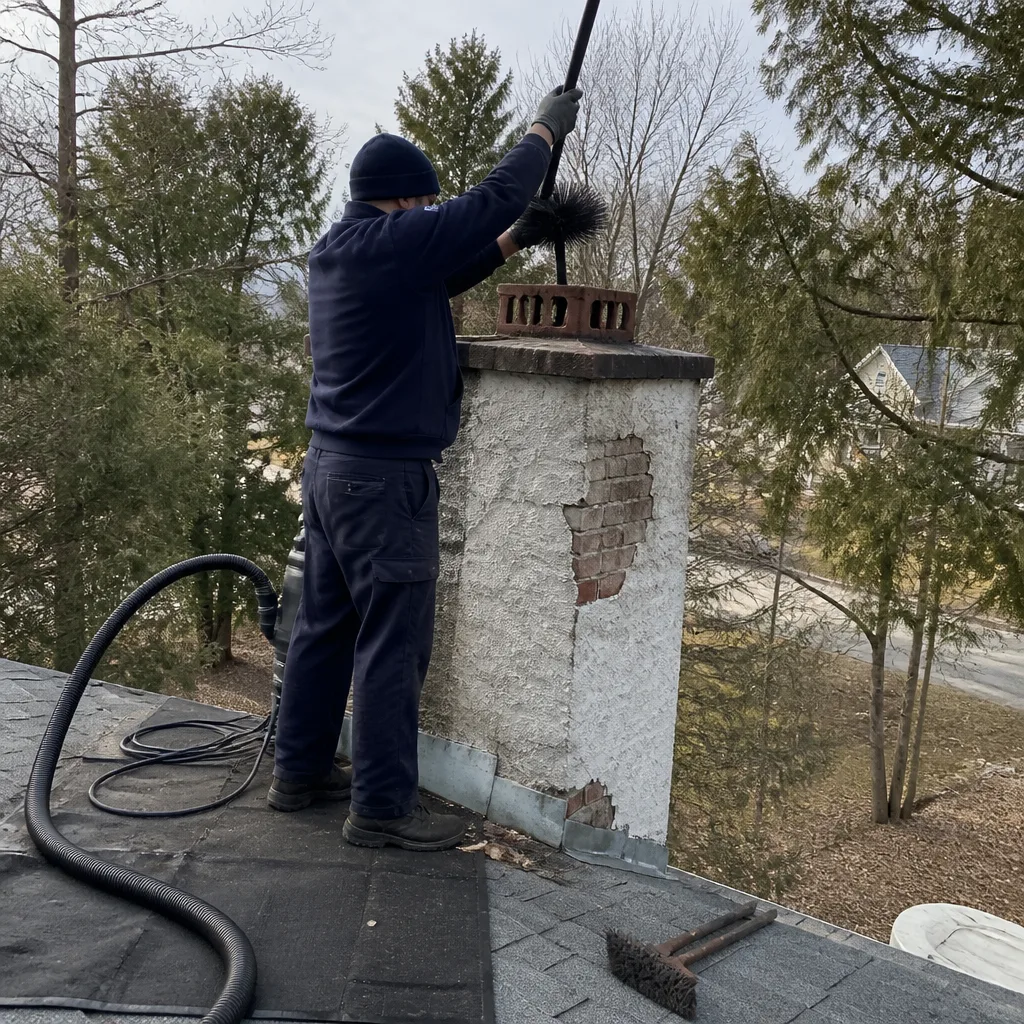 Before
 After
AfterChimney Cleaning Permits, Codes & Inspections in PA: What You Need to Know
A Norristown homeowner had a stainless liner installed in 2021 without a permit. When they sold the house in 2024, the buyer’s inspector flagged the unpermitted work - closing delayed 19 days while the township issued a retroactive inspection. The liner was fine. The paperwork wasn’t. This happens more than you’d think. In this guide, we’ll map exactly where Pennsylvania’s permit line sits for chimney work, what documentation satisfies code officials and insurers, and how Norristown and Montgomery County townships layer their own requirements on top of state law. You’ll learn how to protect yourself from the surprise that kills deals.
Quick Answer
Routine chimney cleaning in Pennsylvania does not require a permit. Permits are required for liner installation or relining, firebox reconstruction, structural chimney repair, and cap replacement above certain scope thresholds. A documented NFPA 211 Level 2 inspection report with dated photos serves as critical evidence if a permit dispute, insurance claim, or home sale question arises.
Table of Contents
- What the Pennsylvania Uniform Construction Code Actually Covers
- NFPA 211: The Technical Standard PA Inspectors Reference
- Norristown and Montgomery County Township-Level Requirements
- Specific Work Types: Permit Required vs. Exempt
- What Happens When Contractors Skip Permits
- How Written Inspection Reports Protect Homeowners
- Insurance Claims and Resale Disclosure in PA
- Common Mistakes to Avoid
- When to Call a Professional
- Frequently Asked Questions
- The Bottom Line
 Before
 After
AfterWhat the Pennsylvania Uniform Construction Code Actually Covers
Pennsylvania adopted the Uniform Construction Code (UCC) in 2004, bringing most municipalities under a single statewide standard administered through the Department of Labor and Industry. For chimney work, the UCC draws from the International Residential Code (IRC) and International Mechanical Code (IMC), but enforcement sits at the township level. This matters because what flies in one county can fail in another.
The UCC distinguishes between maintenance and alteration. Cleaning, sweeping, and minor component replacement fall under routine maintenance - no permit. Alteration, which includes anything that changes the flue’s rated capacity, venting configuration, or structural integrity, triggers permit requirements. The line seems clear on paper. In practice, contractors and homeowners disagree about where maintenance ends.
Here’s what the UCC explicitly requires permits for in chimney systems:
- Installation of a new flue liner or complete relining of an existing chimney
- Reconstruction of the firebox, smoke chamber, or hearth extension
- Structural repair to the chimney breast, chase, or foundation
- Installation of factory-built chimney systems or fireplace inserts
- Cap or crown replacement exceeding 25% of the original structure’s surface area
- Any work that changes the appliance connection, fuel type, or venting category
What does not require a permit under the UCC:
- Chimney sweeping and removal of creosote, soot, or debris
- Visual inspection, including camera-scan methods
- Damper repair or replacement of like-for-like components
- Crown sealing or minor crack repair under 25% surface area
- Cap replacement as a direct swap without structural modification
- Waterproofing treatments and flashing maintenance
The 25% threshold for crown work catches people off guard. A contractor who seals hairline cracks is doing maintenance. A contractor who rebuilds a spalling crown exceeding that threshold is doing alteration - and needs a permit. We’ve seen Norristown homeowners caught in this gap when they hired a handyman for what they thought was minor repair, only to have the work flagged during a later sale - exactly the scenario our Chimney Cleaning & Sweep Maintenance Checklist for Norristown Homeowners is designed to prevent.
Montgomery County’s UCC enforcement runs through individual township building departments, not a county-wide office. Norristown, Plymouth Township, Whitpain, and Lower Providence each maintain separate inspection protocols. A permit pulled in one township means nothing in another. If you own property near township borders - common in the Norristown area where municipal lines follow creek beds and old rail rights-of-way - verify which jurisdiction applies before work starts.
NFPA 211: The Technical Standard PA Inspectors Reference
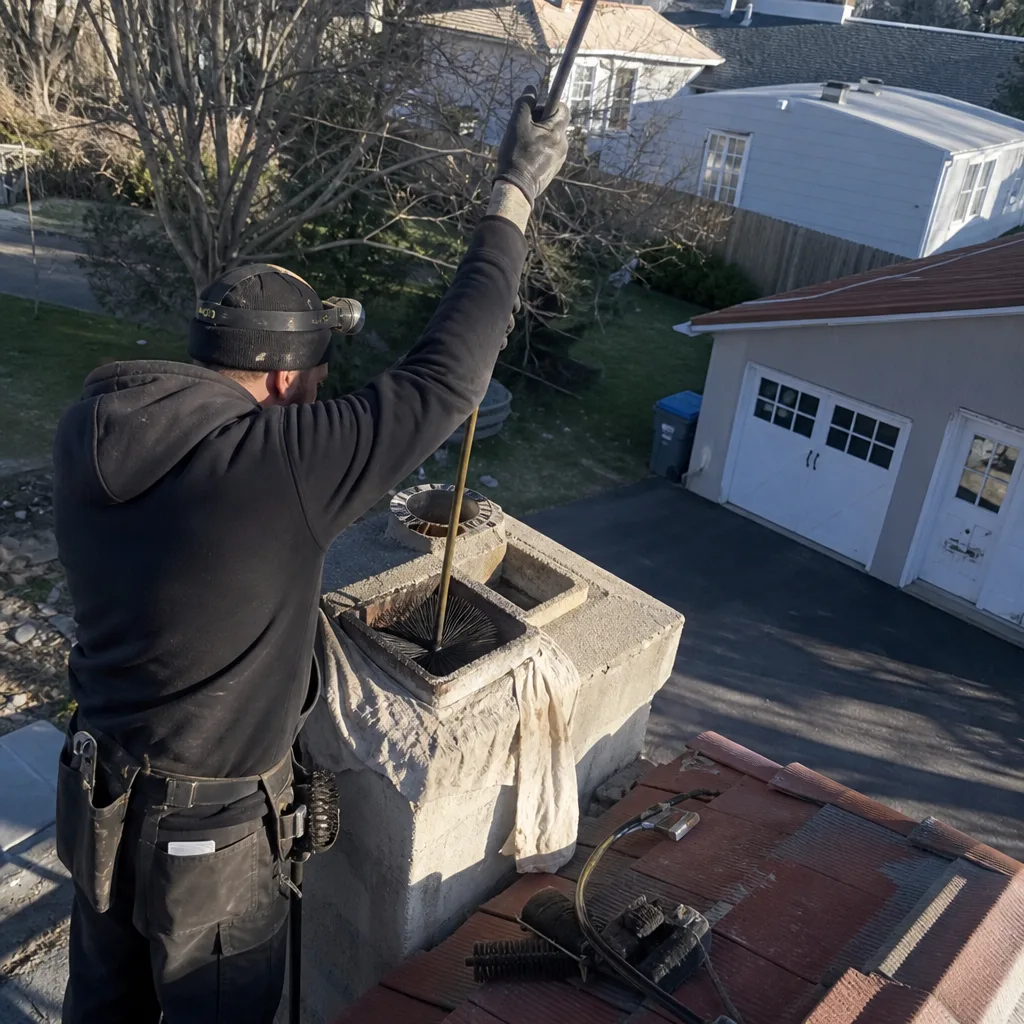
When a Pennsylvania code official evaluates chimney work, they rarely invent criteria. They reference NFPA 211, the National Fire Protection Association’s standard for chimneys, fireplaces, vents, and solid fuel-burning appliances. The current edition, updated every three years, defines inspection levels, clearance requirements, and acceptable repair methods. Township inspectors know it. Insurance adjusters know it. Attorneys in property disputes know it.
NFPA 211 defines three inspection levels:
- Level 1: Visual inspection of readily accessible portions. Appropriate for annual maintenance when no changes have been made to the system. A flashlight look from the top and bottom.
- Level 2: Camera-scan inspection of the entire flue interior, plus accessible exterior components. Required upon sale or transfer of property, after chimney fire or weather event, or when any change is made to the system. This is the inspection standard Emberly Chimney Cleaners adopted as default practice in 2009, before regulators or insurers asked for it - and that practice became Clause 4 of the Haven Standard.
- Level 3: Destructive inspection involving removal of building materials to access concealed areas. Triggered when Level 2 evidence suggests a hidden hazard.
The distinction between Level 1 and Level 2 matters for permit documentation. A Level 1 inspection produces a checklist. A Level 2 inspection produces a dated report with photographs or video frames showing flue liner condition, creosote classification, clearance measurements, and anomaly locations. When a Norristown building official questions whether prior work was done correctly, a Level 2 report with photo documentation carries evidentiary weight that a checklist cannot match.
In our experience across more than 38,000 chimney inspections and cleanings since 2009 - detailed in The Complete Guide to Chimney Cleaning in Norristown - the homeowners who avoid permit surprises are those who have a documented Level 2 report before work begins and another after completion. The before report establishes baseline condition. The after report verifies that work meets NFPA 211 criteria. If a township inspector later questions whether a liner was properly sized or a firebox properly rebuilt, dated photos with measurement annotations answer the question without excavation.
Pennsylvania does not require NFPA 211 compliance by statute for existing structures, but the UCC incorporates it by reference for new work. More importantly, courts and insurers treat it as the standard of care. When an insurance claim is disputed or a sale falls through, the party with NFPA 211 documentation usually prevails.
Materials matter too. NFPA 211 specifies acceptable liner materials by fuel type - stainless steel for wood and solid fuel, aluminum only for certain gas applications, specific refractory compounds for firebox repair. We source liners and repair materials from DuraFlex, HeatShield, and Gelco through Haven’s buying network specifically to keep customer prices honest while maintaining traceable compliance with these specifications. A township inspector who sees an unmarked liner has no way to verify its rating. A labeled DuraFlex 316Ti stainless liner with installation documentation closes the question.
Norristown and Montgomery County Township-Level Requirements
Pennsylvania’s UCC sets the floor. Montgomery County townships build on it. Norristown, as the county seat and one of its older municipalities, maintains a building department with specific chimney protocols that exceed state minimums in several respects.
Norristown’s Code Enforcement Division requires permits for:
- All liner installations, including direct inserts and top-down relining
- Fireplace insert installations, regardless of whether a new liner is run
- Crown reconstruction or replacement exceeding 10 square feet (stricter than the UCC’s 25% threshold)
- Chimney extensions or height modifications for draft correction
- Conversion from one fuel type to another (wood to gas, oil to pellet, etc.)
Norristown also requires that chimney contractors performing permit-triggering work carry a Montgomery County home improvement contractor registration and provide proof of general liability insurance. The township does not accept out-of-state contractor registrations for permit applications. We’ve encountered situations where Philadelphia-based contractors, properly licensed in the city, were unable to pull permits in Norristown because they lacked county registration.
Adjacent townships vary:
- Plymouth Township: Follows UCC thresholds closely but requires separate electrical permits for gas insert installations, even when the chimney permit covers the venting.
- Whitpain Township: Requires engineered drawings for chimney rebuilds exceeding 50% of original height, a threshold that catches homeowners doing significant restoration on older homes.
- Lower Providence: Mandates that all liner installations include a video inspection submitted with the permit application - essentially requiring Level 2 documentation upfront.
- Upper Merion: Has adopted the International Existing Building Code provisions for historic structures, creating alternative compliance paths for pre-1940 chimneys that other townships do not recognize.
The climate context matters here. Norristown sits in a freeze-thaw zone where winter temperatures routinely drop below 20°F and spring cycles saturate masonry. Spalling brick and deteriorated mortar are common. A crown that might last decades in a drier climate needs earlier intervention here. Township inspectors in Norristown see this damage pattern repeatedly and are quicker to flag marginal crown conditions than inspectors in milder regions. What reads as a conservative repair threshold is often a response to local failure modes.
Neighborhood specifics: In the historic districts near Main Street and Airy Street, many chimneys serve original coal-converted fireplaces with unlined flues or early terra cotta liners. These systems often fail Level 2 inspection but may qualify for rehabilitation rather than full relining under NFPA 211’s alternative compliance provisions. Norristown’s code enforcement has generally accepted properly documented HeatShield cerfractory resurfacing as an alternative to stainless relining in these applications, provided the before-and-after camera documentation shows complete coverage. This is not automatic - it requires pre-approval and specific material certification.
Specific Work Types: Permit Required vs. Exempt
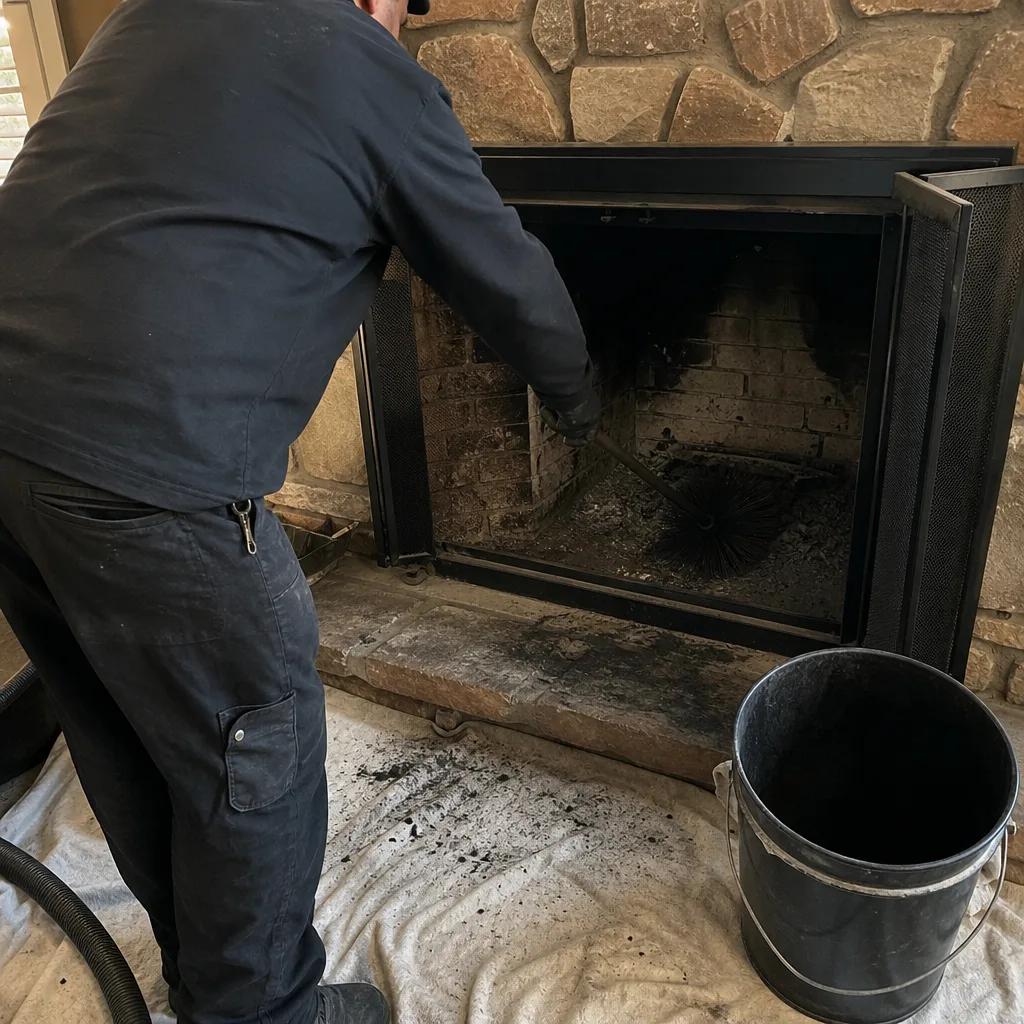
The table below maps common chimney services against Pennsylvania permit requirements, with Norristown-specific notes where the township deviates from state default.
| Service Type | PA UCC Permit Required? | Norristown Specifics | Documentation Recommended |
|---|---|---|---|
| Chimney sweeping / cleaning | No | No permit; routine maintenance | Written sweep report with creosote classification |
| Level 2 camera inspection | No | No permit; diagnostic service | Dated photo/video record, written findings |
| Damper repair/replacement (like-for-like) | No | No permit if same size and location | Invoice noting component specifications |
| Crown sealing / minor crack repair | No (under 25% surface) | No permit under 10 sq ft | Before/after photos, product data sheet |
| Crown reconstruction | Yes (over 25%) | Yes (over 10 sq ft) | Permit, inspection sign-off, photo record |
| Stainless steel liner installation | Yes | Yes; county contractor registration required | Permit, manufacturer specs, installation photos |
| Fireplace insert installation | Yes | Yes; separate electrical if gas | Permit, NFPA 211 clearance verification |
| Firebox reconstruction | Yes | Yes | Permit, refractory material certification |
| Chimney cap replacement (direct swap) | No | No permit if no structural change | Invoice with product specifications |
| Chimney cap with new screening/draft hood | Yes | Yes | Permit, spark arrestor rating if applicable |
| Waterproofing treatment | No | No permit; maintenance | Product data, application date, warranty |
| Flashing repair/replacement | No | No permit if same configuration | Photos, material specification |
| Structural chimney rebuild | Yes | Yes; engineered drawings if >50% height | Permit, structural plans, inspection sign-offs |
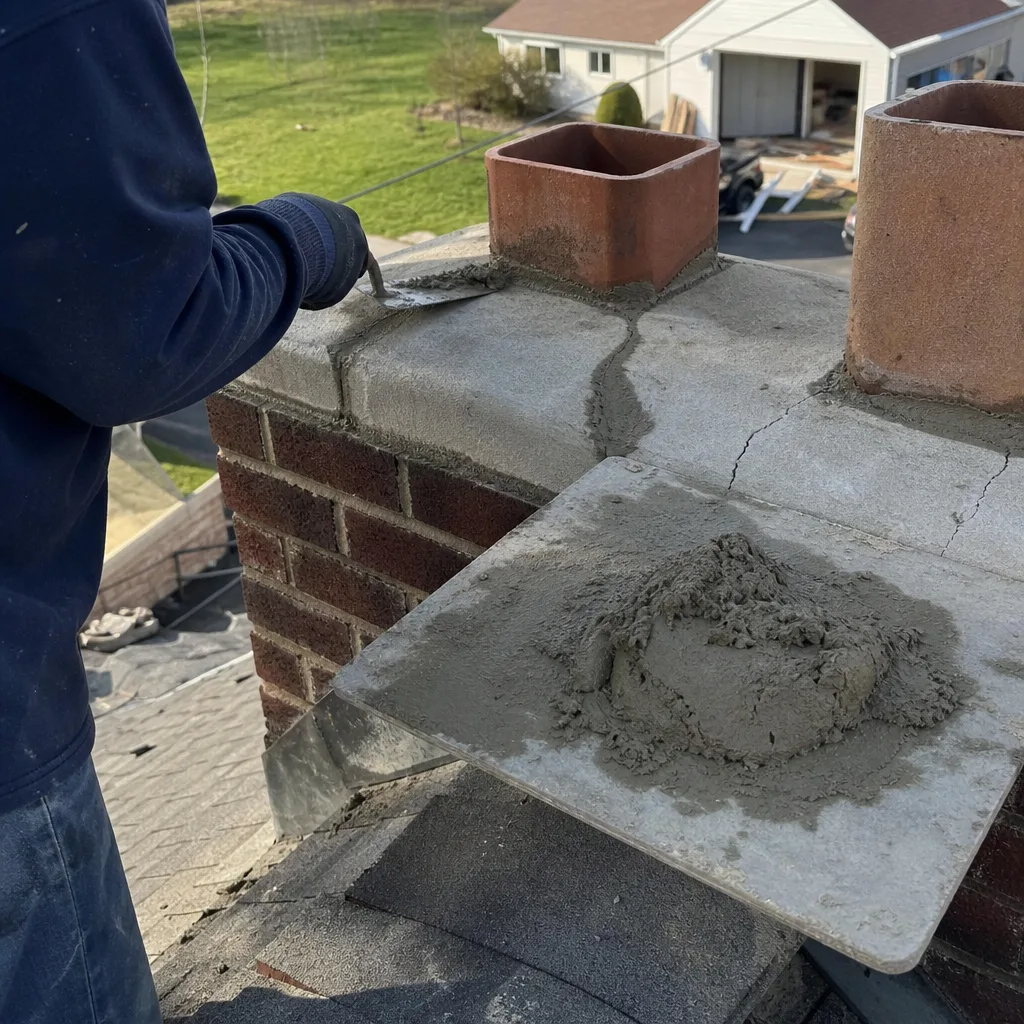
Two categories generate the most confusion: cap replacement and crown work. A cap that drops onto the flue tile as a direct replacement is maintenance. A cap that requires new mounting brackets, extended screening, or a draft-inducing hood changes the venting configuration and becomes alteration. Similarly, sealing a cracked crown with a brush-applied elastomeric is maintenance. Building up a deteriorated crown with new concrete or specialized refractory material is reconstruction.
The permit application process in Norristown typically requires:
- Completed UCC permit application with property owner and contractor information
- Proof of Montgomery County home improvement contractor registration
- Proof of general liability insurance (certificate of insurance)
- Scope of work description, with material specifications for liner or refractory work
- Fee based on project valuation (typically $50-$150 for chimney-specific work)
- Schedule rough and final inspections upon completion
Rough inspection for liner work verifies proper sizing, support, and connection before closure. Final inspection confirms proper termination, clearances, and operational test. Skipping the rough inspection is common among contractors trying to save time - and it’s the error most likely to generate a red flag at sale time, when a sharp inspector notices that work was done but only one inspection appears on record.
What Happens When Contractors Skip Permits
The homeowner almost always bears the cost. Pennsylvania law places permit compliance responsibility on the property owner, not the contractor. A contractor who promises to “take care of it” and doesn’t leaves the owner exposed to three categories of risk: municipal penalty, insurance coverage gap, and resale liability.
Municipal penalty: Townships can issue violation notices requiring work stoppage, retroactive permit application with doubled fees, and in some cases, removal of unpermitted work for re-inspection. Norristown’s Code Enforcement Division can place a lien for unpaid permit fees and penalties. We’ve seen retroactive permits cost three times the original fee, plus the expense of re-exposing work that was already closed up.
Insurance coverage gap: Homeowner’s policies typically cover sudden and accidental damage, not faulty workmanship. But the exclusion often extends to unpermitted work. If a chimney fire occurs in an unlined flue where a liner was installed without permit, the insurer may deny the claim on the basis that the installation was not code-compliant, regardless of whether the liner itself caused the fire. The policy language usually references “work performed in violation of applicable building codes” - and lack of permit creates a rebuttable presumption of violation.
Resale liability: Pennsylvania’s Seller Disclosure Law (68 P.S. § 7301 et seq.) requires disclosure of “defects in the roof, walls, basement, structural components, and foundation.” Courts have interpreted this to include unpermitted structural alterations. A seller who fails to disclose unpermitted chimney work faces potential rescission of the sale, damages, and in egregious cases, fraud claims. The Norristown homeowner with the 2021 liner installation learned this when the buyer’s attorney demanded a $5,000 escrow holdback pending permit resolution.
Contractor accountability is limited. Pennsylvania’s Home Improvement Consumer Protection Act (HICPA) requires registration for jobs over $500, but enforcement is complaint-driven. A contractor who disappears or disputes the permit requirement leaves the homeowner navigating the township alone. The written contract should specify permit responsibility, but many homeowners sign vague scopes that leave the gap unaddressed.
Our recommendation, formalized in Haven Standard Clause 1: every job gets a written price, written scope, and written warranty before work starts. That scope explicitly states whether permits are required, who will obtain them, and what documentation the homeowner will receive. No exceptions. If a contractor won’t put this in writing, the permit risk hasn’t actually been addressed.
How Written Inspection Reports Protect Homeowners
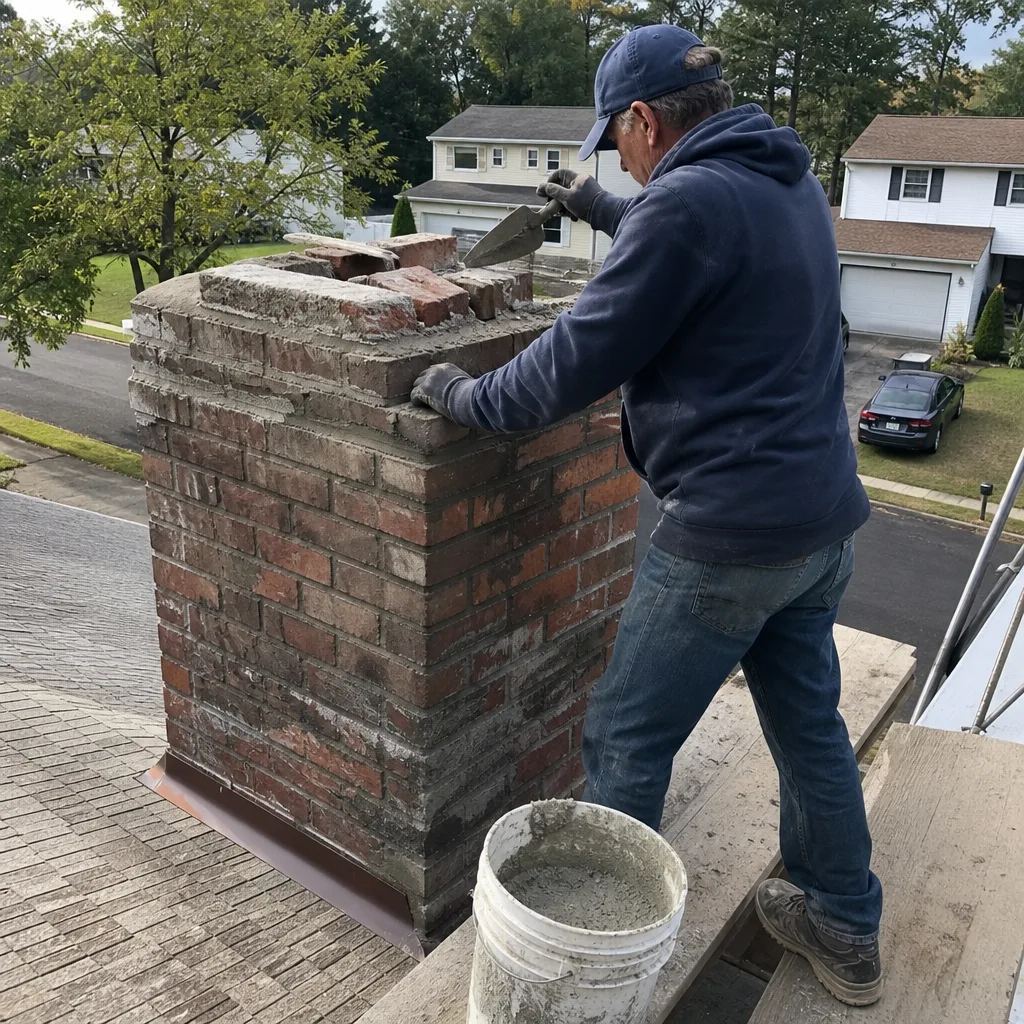
Documentation is the homeowner’s only defense when questions arise years later. A verbal assurance from a contractor dissipates. A photo with a date stamp and measurement annotation does not.
The inspection report we deliver under Clause 4 of the Haven Standard includes:
- Property address, date, and technician identification
- Appliance and chimney configuration description
- Flue liner material, diameter, and condition assessment with camera frames at regular intervals
- Creosote classification (Class I, II, or III) with thickness measurements
- Smoke chamber and firebox condition with clearance measurements to combustibles
- Crown, cap, and flashing condition with exterior photos
- Any deviations from NFPA 211 criteria, coded by severity
- Recommended actions with priority ranking
- Written price for each recommended action, with scope and warranty specified
This report serves multiple protective functions. For permit compliance, it establishes the pre-existing condition that justifies the work scope. For insurance, it provides contemporaneous evidence of system condition before a loss event. For resale, it demonstrates proactive maintenance and transfers confidence to prospective buyers.
The photo record is particularly critical. A camera frame showing a cracked flue liner with the date visible in the corner is objective evidence that a verbal description cannot match. When a Norristown buyer’s inspector questions whether a liner was needed, the seller who produces dated photos of the damaged original has an answer. The seller who has only a contractor’s word faces negotiation or concession.
We archive every photo record from our 38,000+ inspections and cleanings since 2009. Homeowners can request retrieval at any time. This isn’t a convenience feature - it’s a practice we established because we saw how often documentation gaps hurt homeowners in disputes. The archive became Clause 4 of the Haven Standard precisely because the absence of records was causing preventable losses.
For work that triggers permits, we provide copies of permit applications, inspection sign-offs, and manufacturer specification sheets as part of the project file. These are organized for transfer to new owners, insurance providers, or township officials. A complete file prevents the 19-day closing delay our opening example suffered.
Insurance Claims and Resale Disclosure in PA
Pennsylvania’s insurance market has tightened on chimney-related claims in recent years. Several carriers now require proof of annual inspection for policies covering wood-burning appliances. Others exclude chimney fire damage entirely unless the system was inspected within 24 months by a certified professional. The documentation standard is rising, and homeowners who don’t meet it find themselves self-insuring.
The specific language to watch for in your policy: “maintenance and upkeep” exclusions, “faulty workmanship” exclusions with code violation triggers, and “unoccupied dwelling” clauses that suspend coverage if the chimney was not inspected before a seasonal vacancy. These provisions are common in Pennsylvania homeowner’s policies written after 2020.
When a claim is filed, the adjuster’s first request is usually for maintenance records. A Level 2 inspection report with photo documentation satisfies this request immediately. A receipt for “chimney sweep $150” does not - it proves payment, not condition. The distinction matters when coverage is contested.
Resale disclosure in Pennsylvania operates under strict liability for known defects. The seller disclosure form (standard PAR or regional equivalent) asks about “problems with the chimney.” A seller who knows of unpermitted work, even if performed by a prior owner, must disclose or risk post-sale liability. The statute of limitations for disclosure claims runs to four years in some circumstances.
Buyers in the Norristown market are increasingly sophisticated. Many hire inspectors who camera-scan chimneys as part of standard due diligence. An inspector who finds a liner without permit documentation will flag it in the report, triggering lender requirements for resolution before closing. FHA and VA loans are particularly strict on this point - unpermitted mechanical work can derail loan approval entirely.
The protective strategy is straightforward: maintain continuous documentation from initial inspection through any work, with permits obtained for all trigger activities, and organize these records for transfer. The cost of this documentation is modest compared to the cost of a delayed sale, denied claim, or legal defense.
Common Mistakes to Avoid
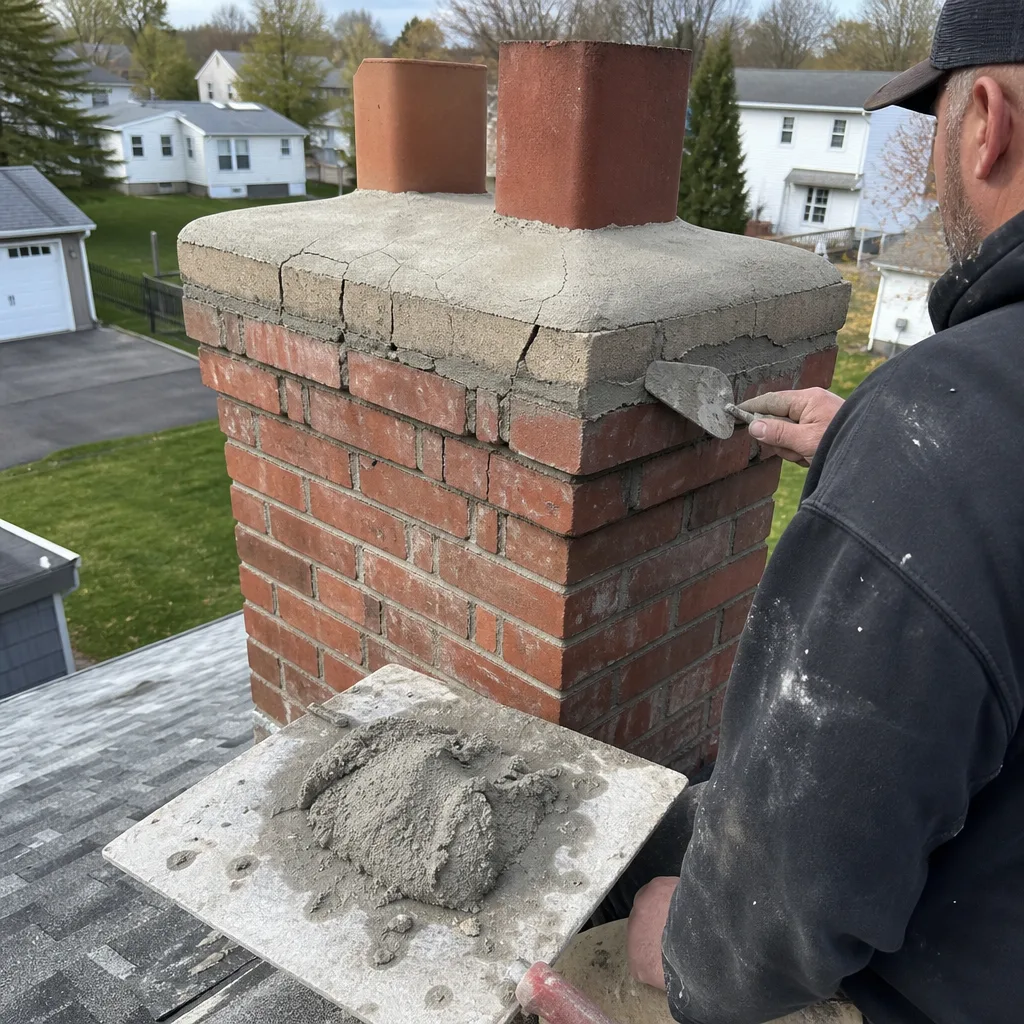
- Assuming cleaning and repair are the same permit category. A sweep is maintenance. A liner is alteration. The same contractor performing both needs to clarify which activities trigger permits and which don’t.
- Accepting verbal permit assurances. If the contractor says they’ll “handle it,” verify by requesting the permit number and checking with the township building department before final payment.
- Neglecting to verify Montgomery County registration. A Philadelphia-licensed contractor may be competent but unable to pull permits in Norristown. Verify registration through Montgomery County’s online lookup before signing.
- Discarding post-work documentation. Keep inspection reports, photos, permits, and warranties for the duration of ownership plus the Pennsylvania disclosure liability period. Digital storage is fine; disappearance is not.
- Failing to disclose unpermitted work at sale. Even work done by a prior owner becomes your disclosure obligation once you’re aware of it. The penalty for non-disclosure exceeds the cost of retroactive permitting.
- Confusing a sweep receipt with an inspection report. A receipt proves transaction. A dated photo record proves condition. Insurers and buyers ask for the latter.
- Ignoring township-specific thresholds. Norristown’s 10 square foot crown limit is stricter than the UCC default. What passes in one township fails in another.
When to Call a Professional
Call for a Level 2 inspection before you buy a home with a fireplace, before you convert fuel types, and before you list your property for sale. These are the three moments when documentation gaps do the most damage. In Norristown, where township requirements exceed state minimums and buyer scrutiny is high, the cost of discovery after the fact consistently exceeds the cost of proper documentation upfront. For more guides & resources on protecting your home and sale, explore our blog.
Call when a contractor proposes work that might trigger permits but hasn’t mentioned them. The absence of permit discussion is a red flag, not a convenience.
Call when you’re reviewing a seller disclosure that mentions “chimney work” without permit numbers or contractor documentation. The prior owner’s gap becomes your liability.
Emberly Chimney Cleaners Norristown offers free estimates in Norristown - call (484) 552-9695. Every estimate includes a written price, written scope, and written warranty before any work begins, under Haven Standard Clause 1. We pull permits for all trigger activities, provide complete documentation, and archive photo records for future retrieval. Our Chimney Cleaning & Sweep in Norristown service includes Level 2 inspection documentation as standard, not an add-on. For Chimney Repair in Norristown or Fireplace Services in Norristown, we handle permit applications and inspection scheduling as part of project management.
Frequently Asked Questions
No. Routine chimney sweeping, creosote removal, and basic maintenance do not require permits under the Pennsylvania Uniform Construction Code. Permits are required for liner installation, firebox reconstruction, structural repair, and certain cap or crown replacements that exceed scope thresholds. If you’re unsure whether your specific project triggers a permit, call (484) 552-9695 for a free assessment - estimates are free.
A Level 2 camera-scan inspection in the Norristown area typically runs $250-$400, depending on accessibility and the number of flues. This includes a documented photo record, written findings, and a written price for any recommended work before anything begins. We do not charge separately for the photo documentation - Clause 4 of the Haven Standard requires it on every job. Call (484) 552-9695 for an exact quote for your property.
You must disclose it under Pennsylvania Seller Disclosure Law, or you risk post-sale liability including rescission, damages, and fraud claims. Buyers’ inspectors increasingly flag unpermitted work, and lenders may require resolution before closing. The cost of retroactive permitting and inspection typically exceeds the original permit fee by 2-3x. If you’ve discovered unpermitted work, a Level 2 inspection with photo documentation can help assess what needs formal resolution versus what can be documented as acceptable.
NFPA 211 recommends annual inspection for all chimney systems, and Level 2 inspection upon sale or transfer of property, after chimney fire or significant weather event, or when any change is made to the appliance or venting configuration. In Norristown’s freeze-thaw climate, where winter moisture penetration accelerates masonry deterioration, annual Level 1 inspection with periodic Level 2 camera verification is the practice that catches developing problems before they require permit-triggering reconstruction.
Typically only for sudden and accidental damage, not for gradual deterioration or damage from unpermitted work. Many Pennsylvania insurers now require proof of recent inspection for wood-burning systems. A documented Level 2 report with dated photos satisfies this requirement and supports your position if a claim is disputed. Without documentation, you may face coverage denial based on maintenance exclusion or code violation language.
A sweep removes creosote, soot, and debris from the flue and firebox. An inspection evaluates system condition, clearances, and compliance with technical standards. In Pennsylvania, a sweep is maintenance (no permit); an inspection is diagnostic (no permit). However, many sweeps include basic visual inspection, and a proper Level 2 inspection includes sweeping if needed for camera access. At Emberly Chimney Cleaners Norristown, our Emberly Chimney Cleaners Norristown home service integrates both - the camera scan requires a clean flue, so sweeping is performed as needed before documentation begins.
The Bottom Line
Pennsylvania’s permit framework for chimney work is narrower than many homeowners assume - cleaning doesn’t trigger it, but liner installation and structural repair do. The real risk isn’t over-compliance; it’s the surprise of discovering unpermitted work when a sale or claim forces the question. In Norristown and Montgomery County, where township requirements layer on state minimums and buyer scrutiny is intense, documentation is protection. A Level 2 inspection report with dated photos, permits obtained for all trigger work, and organized records for transfer - these are the practices that prevent the 19-day closing delay and the denied insurance claim. The cost of documentation is modest. The cost of its absence is not.
Written by Corrine Halstead, Owner at Emberly Chimney Cleaners Norristown, serving Norristown since 2009.