
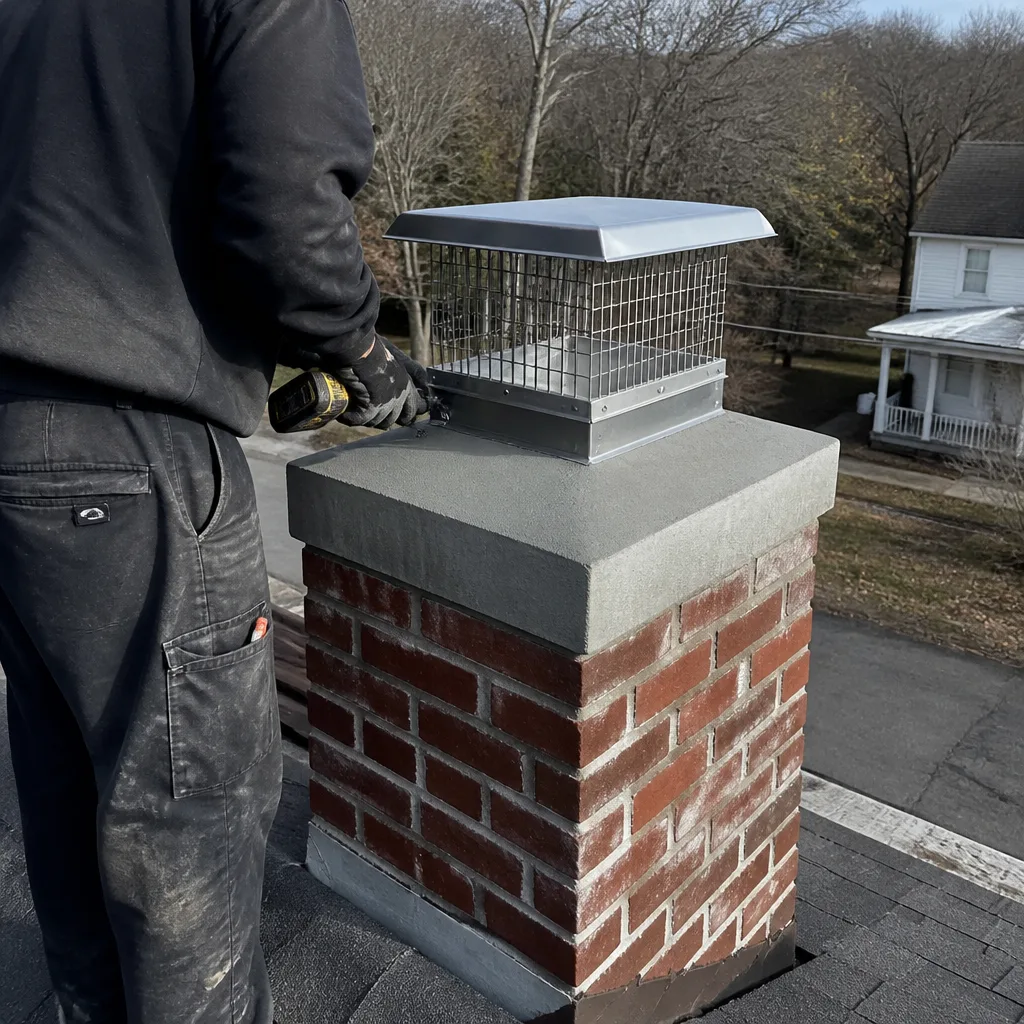
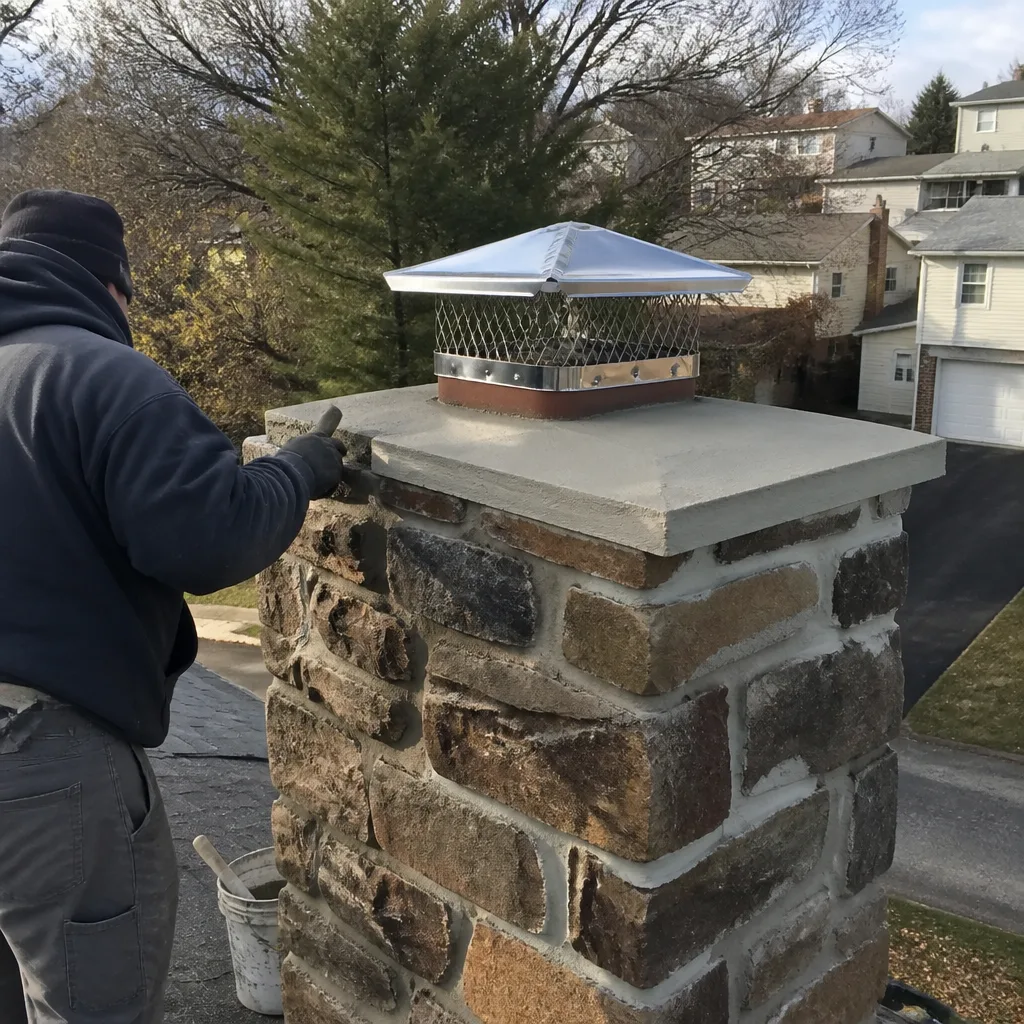
Level 1 sweep and inspection to the NFPA 211 annual standard - flue, crown, cap, and flashing checked and photographed
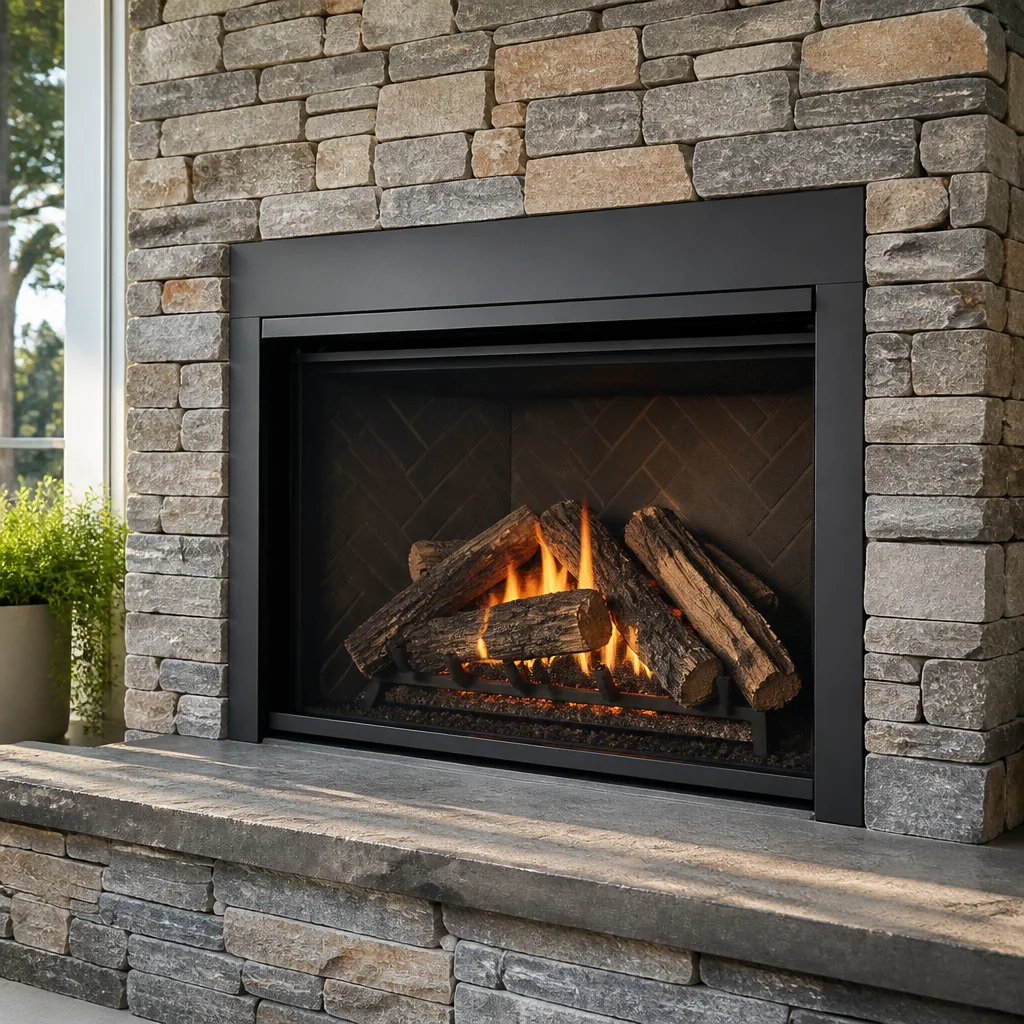
Chimney sweep logs do not sweep chimneys. They loosen some creosote - which then falls where a brush and vacuum still have to collect it.
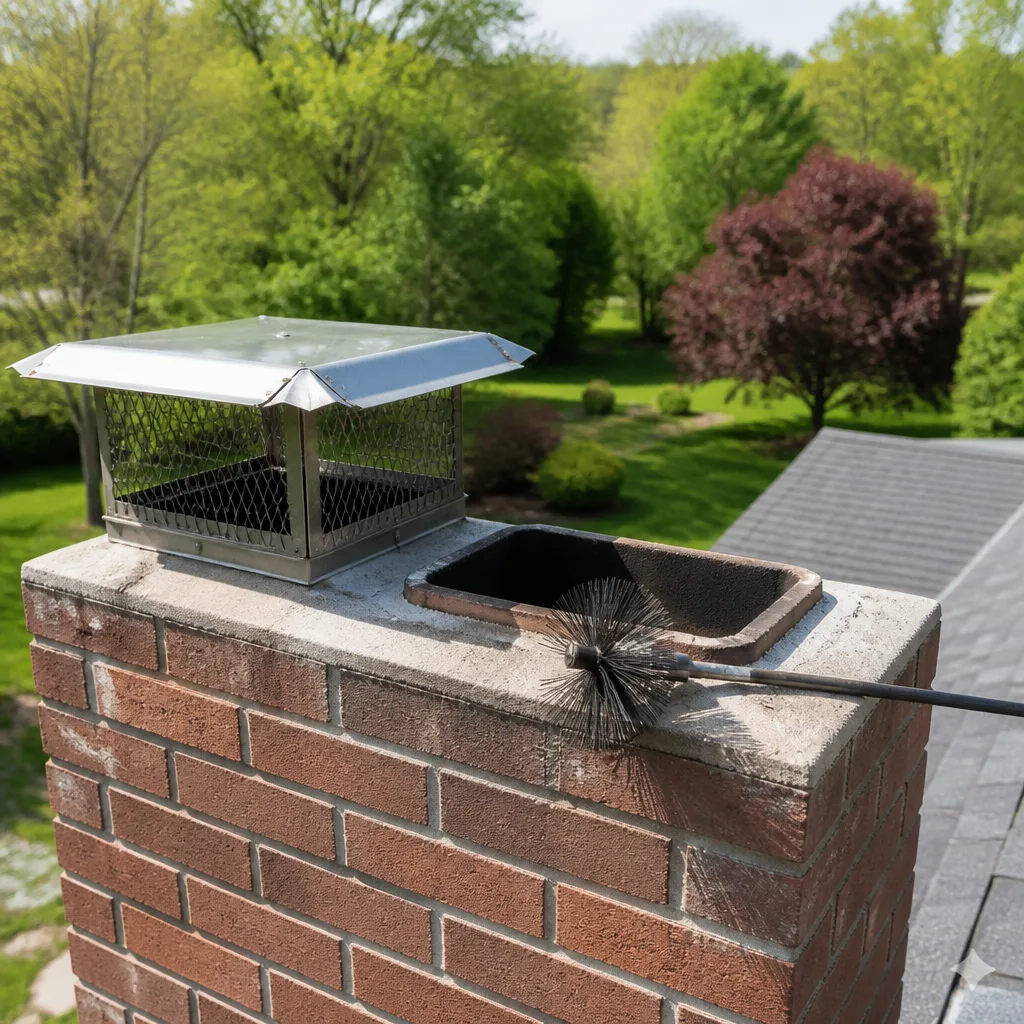
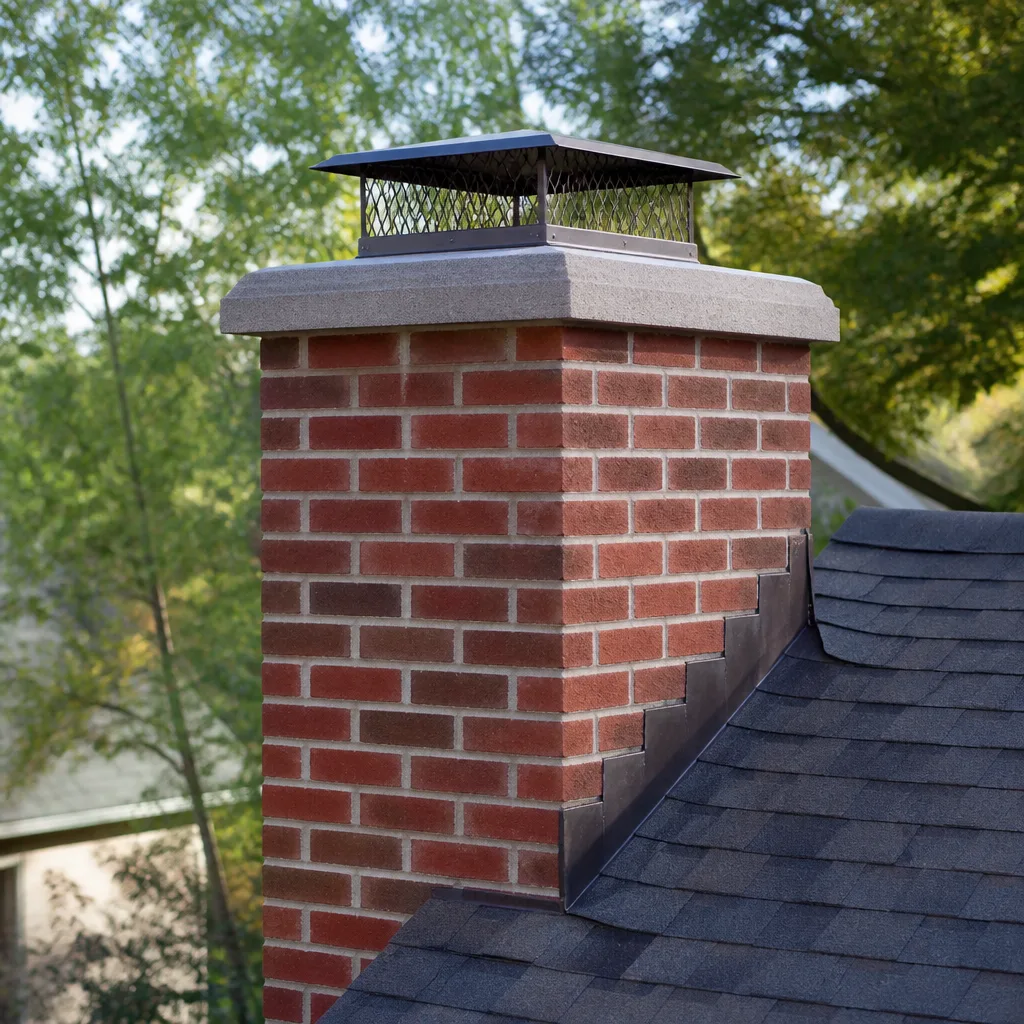
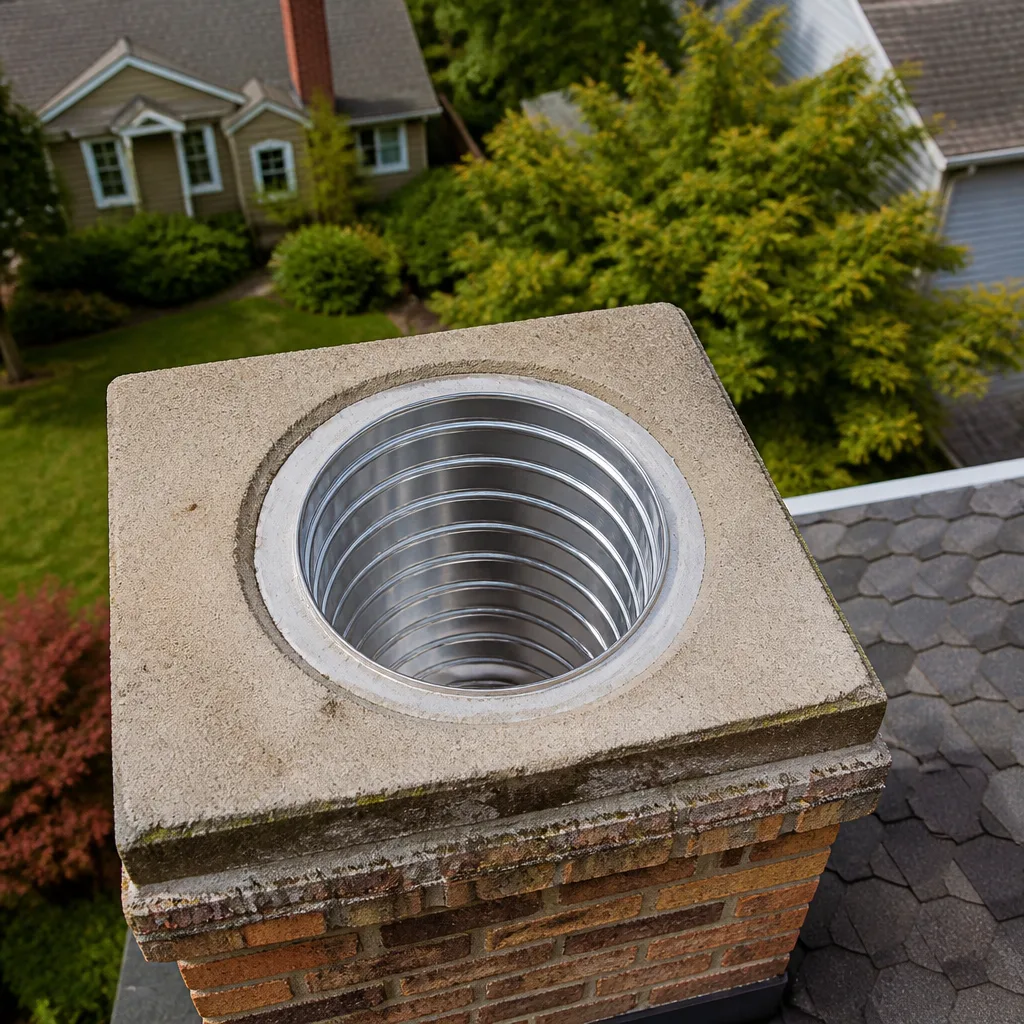
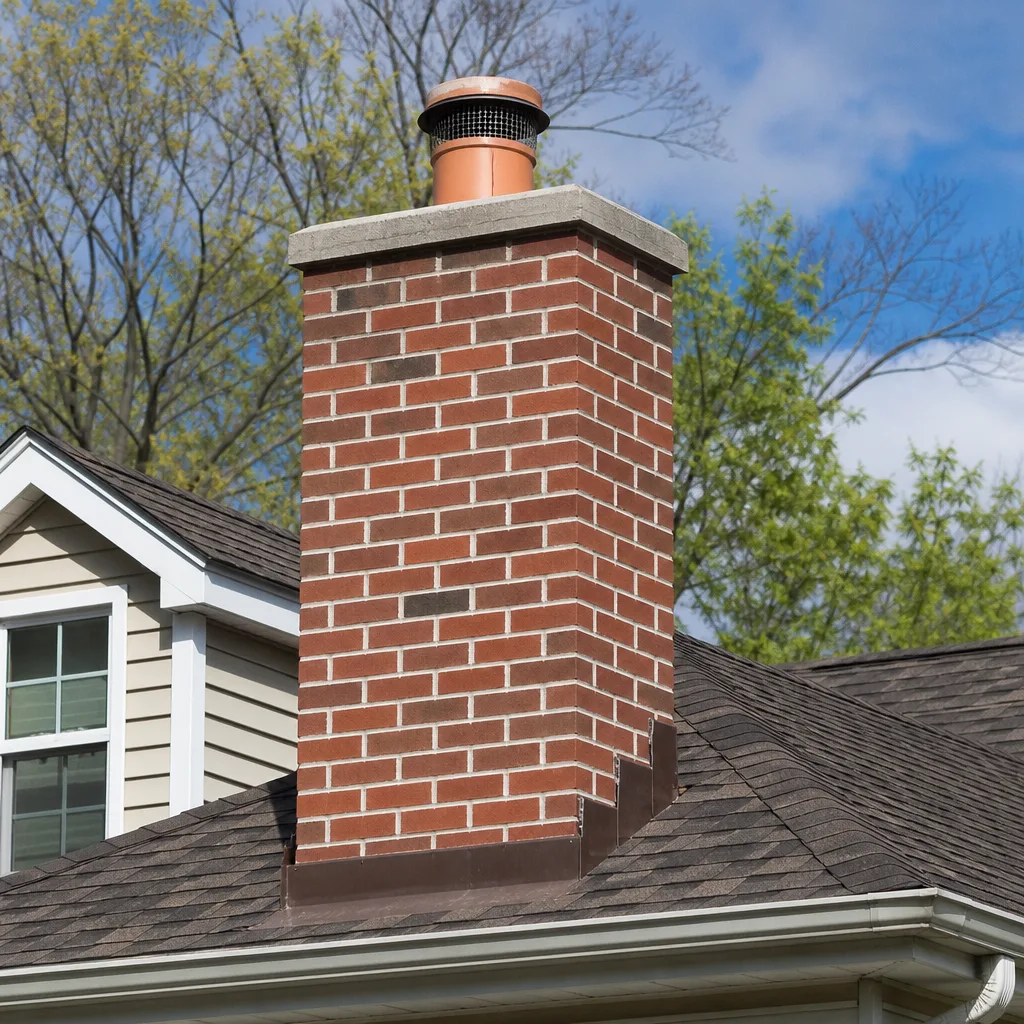
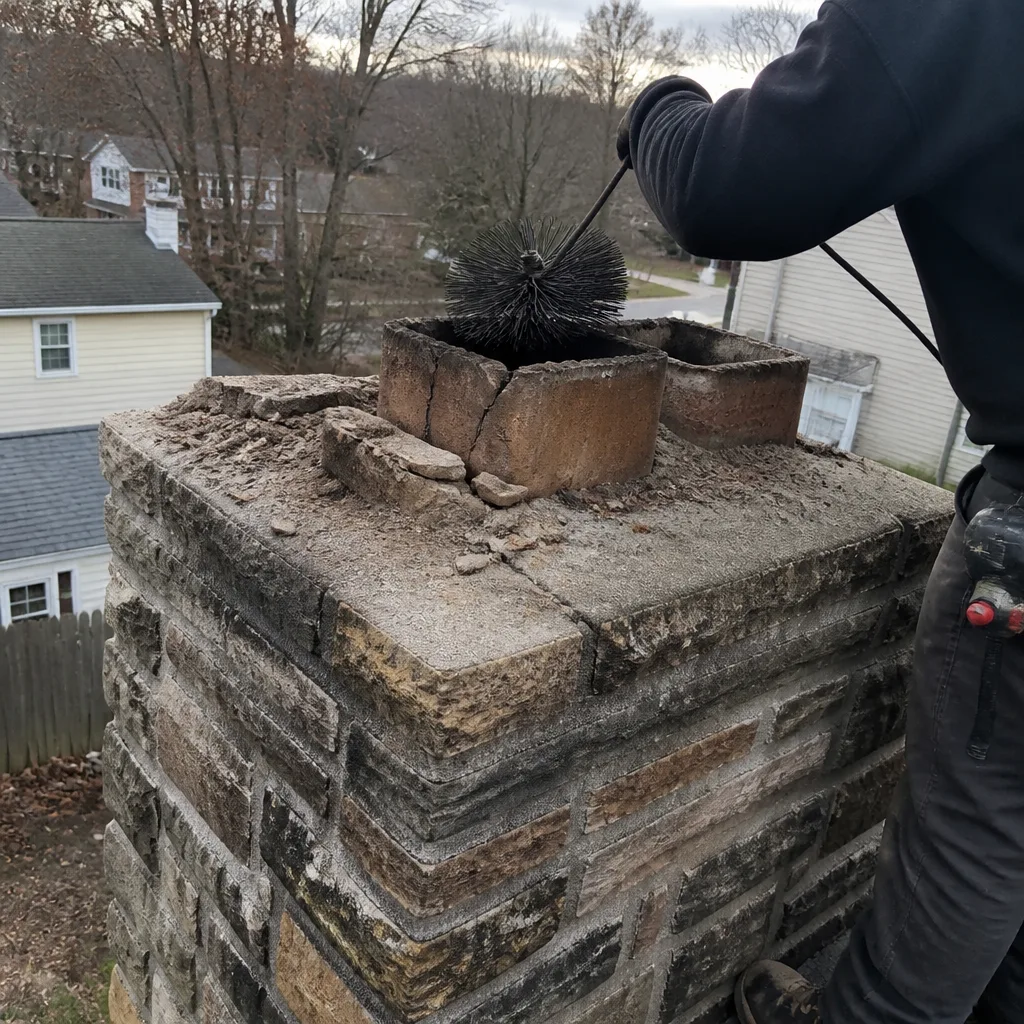 Before
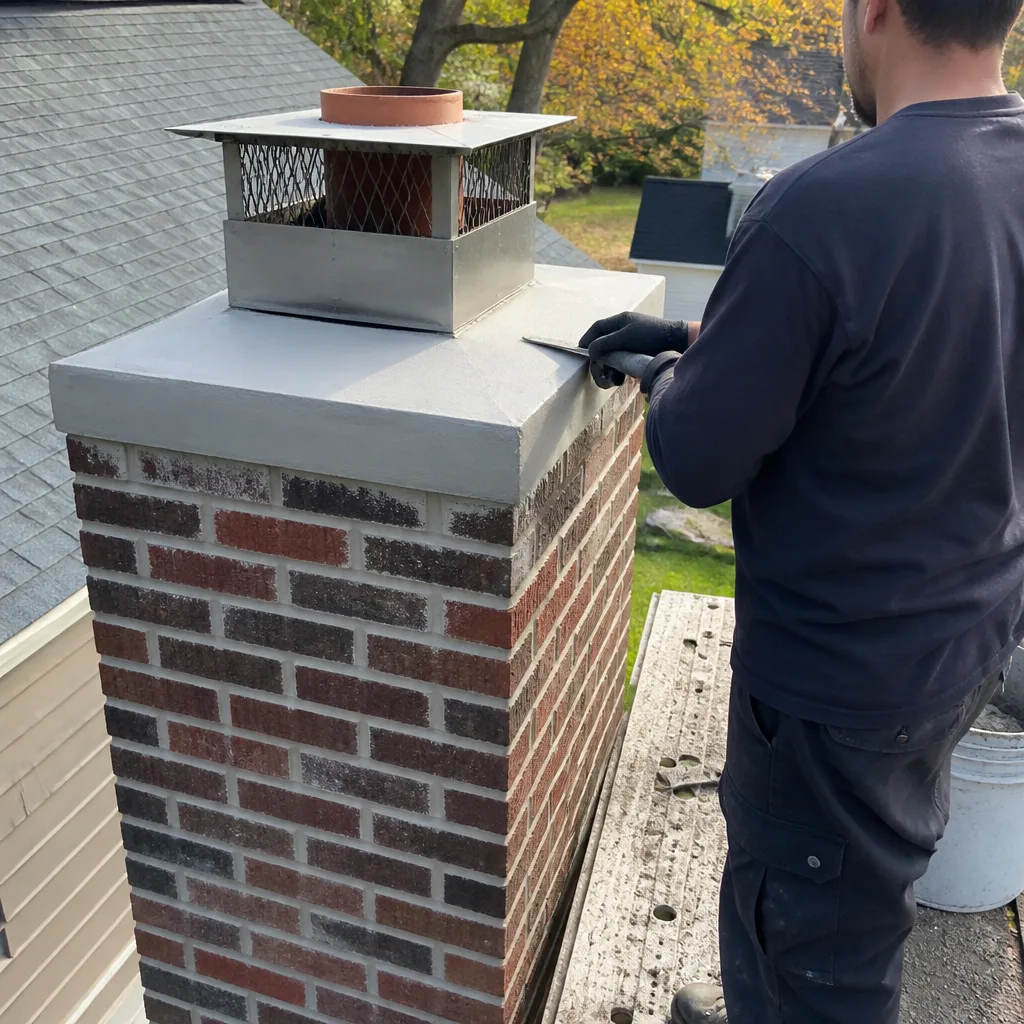 After
After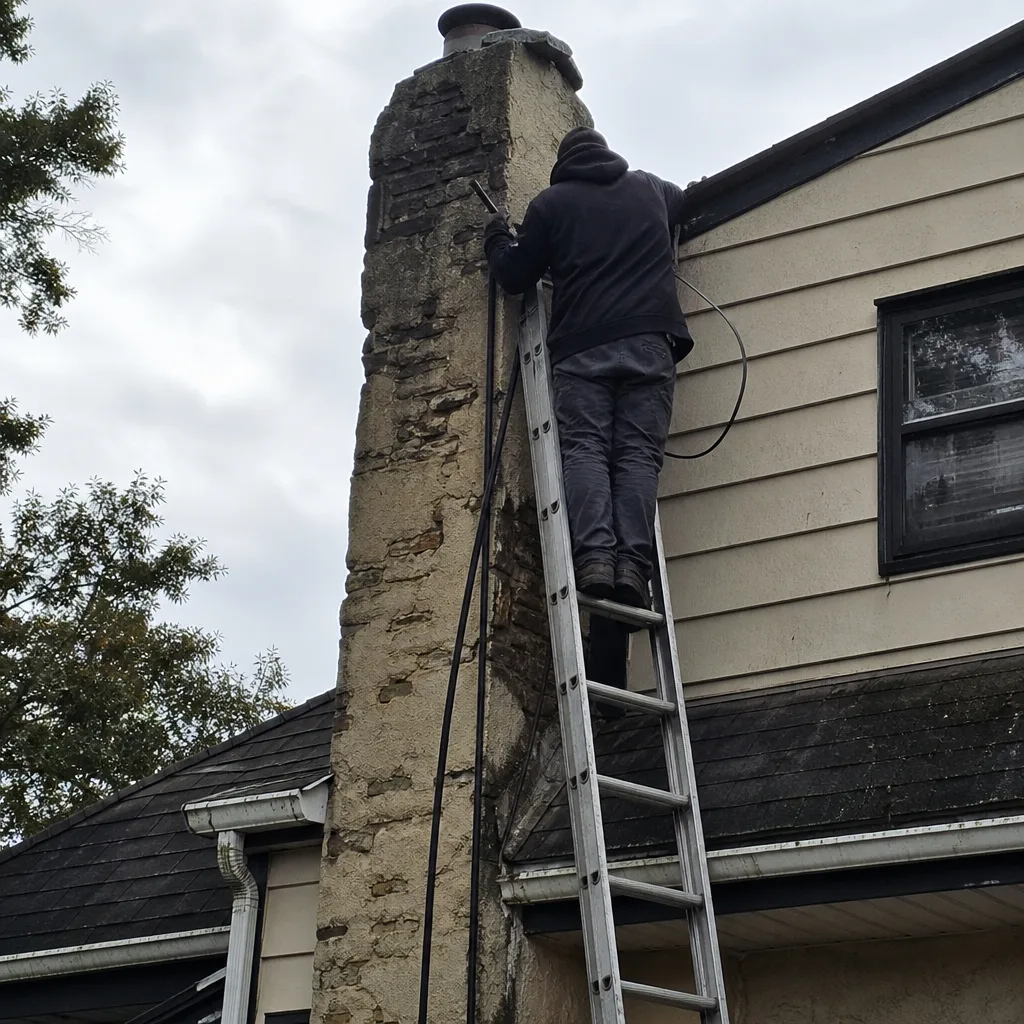 Before
 After
After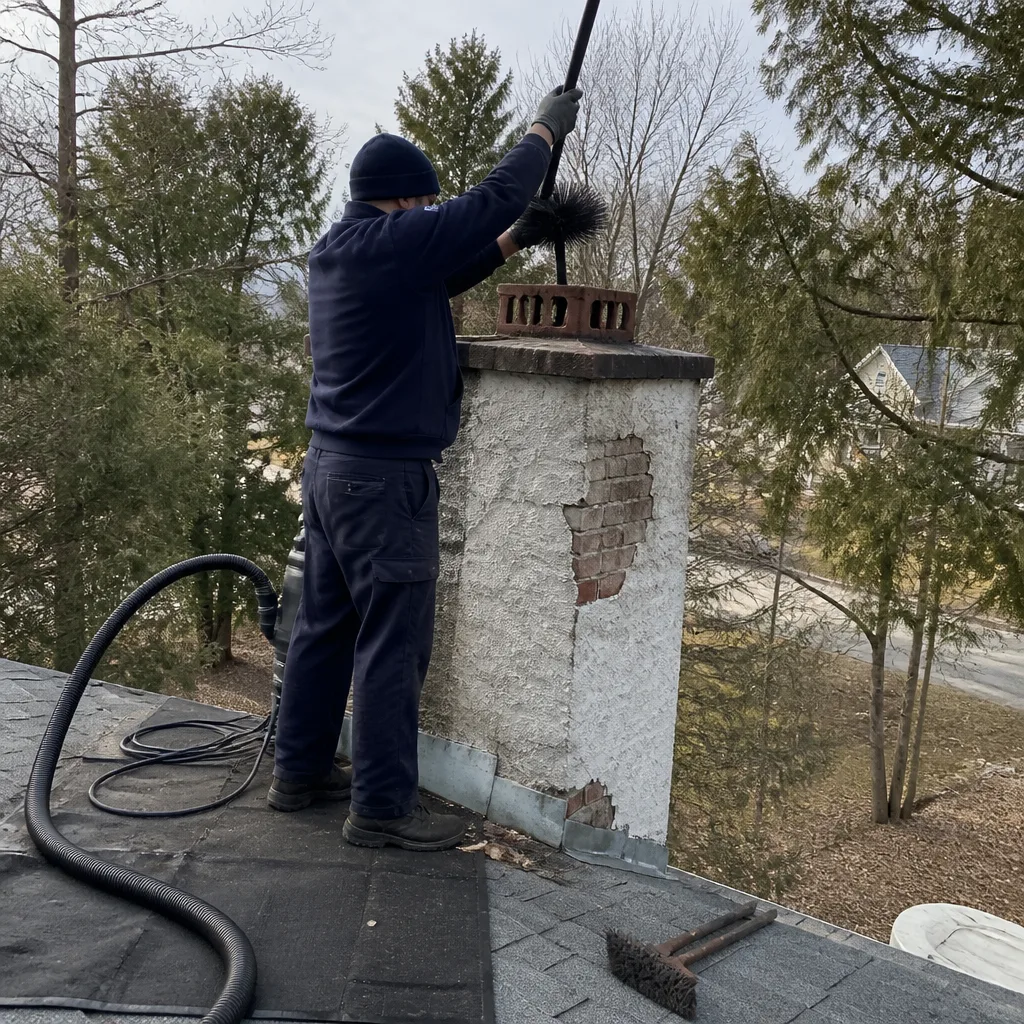 Before
 After
AfterCreosote Removal in Norristown, PA
Creosote removal in Norristown typically runs between $150 and $800 depending on how much has built up and which class of deposit we’re dealing with. Most standard cleanings – Class I or light Class II – are done in a single visit, same day. Heavier glazed deposits (Class III) require a chemical treatment application before the physical removal, which means a second appointment.
If you’ve been burning wood in a Norristown home this past winter and haven’t had the flue cleaned in the last twelve months, there’s a good chance creosote is present. That’s not a scare tactic – it’s just how wood combustion works. Every fire leaves something behind. What that something looks like after a season of burning in a Montgomery County home with a colonial-era flue or a newer direct-vent insert is what our camera tells us during a Level 1 Inspection before a single brush goes up.
At Emberly Chimney Cleaners Norristown, we’ve been running camera-scan documentation on every Chimney Cleaning & Sweep job since 2009 – well before insurers started asking for it. Corrine Halstead built the company on one operating principle: name what you found, write down the price, then do the work. Every creosote removal we perform in Norristown follows that same sequence. No surprises at the end, no verbal-only estimates. If you want to talk through what you’re seeing or smelling before scheduling, our phones are answered by a live person 24 hours a day at (484) 552-9695.
This page is a child of our Chimney Cleaning & Sweep in Norristown service – creosote removal is the most common reason that appointment gets scheduled, and it’s worth understanding exactly what’s involved before you book.
When You Need Creosote Removal
- You smell something acrid or oily when the fireplace isn’t in use. A tarry, smoky smell drifting into a living room in West Marshall Street or Hartranft is almost always creosote off-gassing through a cracked liner joint or negative-pressure backdraft. It shouldn’t be there when the damper is closed.
- Your fires produce more smoke than they used to. Creosote narrows the effective flue diameter over time. When the draw feels sluggish or smoke rolls into the room at startup, restricted airflow from buildup is a common cause – especially in older Norristown homes with 8×8 flue tiles that were undersized to begin with.
- You’re burning more than two cords of wood per season. A fireplace running through a full Montgomery County winter – October through March – deposits creosote faster than a unit used occasionally for ambiance. Heavy users need cleaning at least once per season; sometimes twice if you’re running dense hardwoods like oak and hickory at lower temperatures.
- A previous inspector flagged glazed deposits but didn’t treat them. Class III glazed creosote – the shiny, tar-like coating that looks almost like lacquered paint – cannot be brushed out mechanically without a chemical pre-treatment. If a previous sweep called it “heavy” and left it, bring us that written estimate and we’ll give you a free second opinion.
- You’ve had a chimney fire, even a small one. Creosote ignites around 451°F. A minor chimney fire can occur without the homeowner knowing – a distant rumble, briefly elevated flue temperature, maybe a bit of smoke smell. Our camera will show the evidence: hairline cracks in liner tiles, spalling at mortar joints, and the characteristic puffy, expanded texture that overheated creosote leaves behind.
- You’re buying or selling a home in Norristown with a wood-burning fireplace. Lenders and home inspectors increasingly want a Level 2 inspection report before closing. Creosote class and liner condition are two of the first things that report has to document.
Our Creosote Removal Process
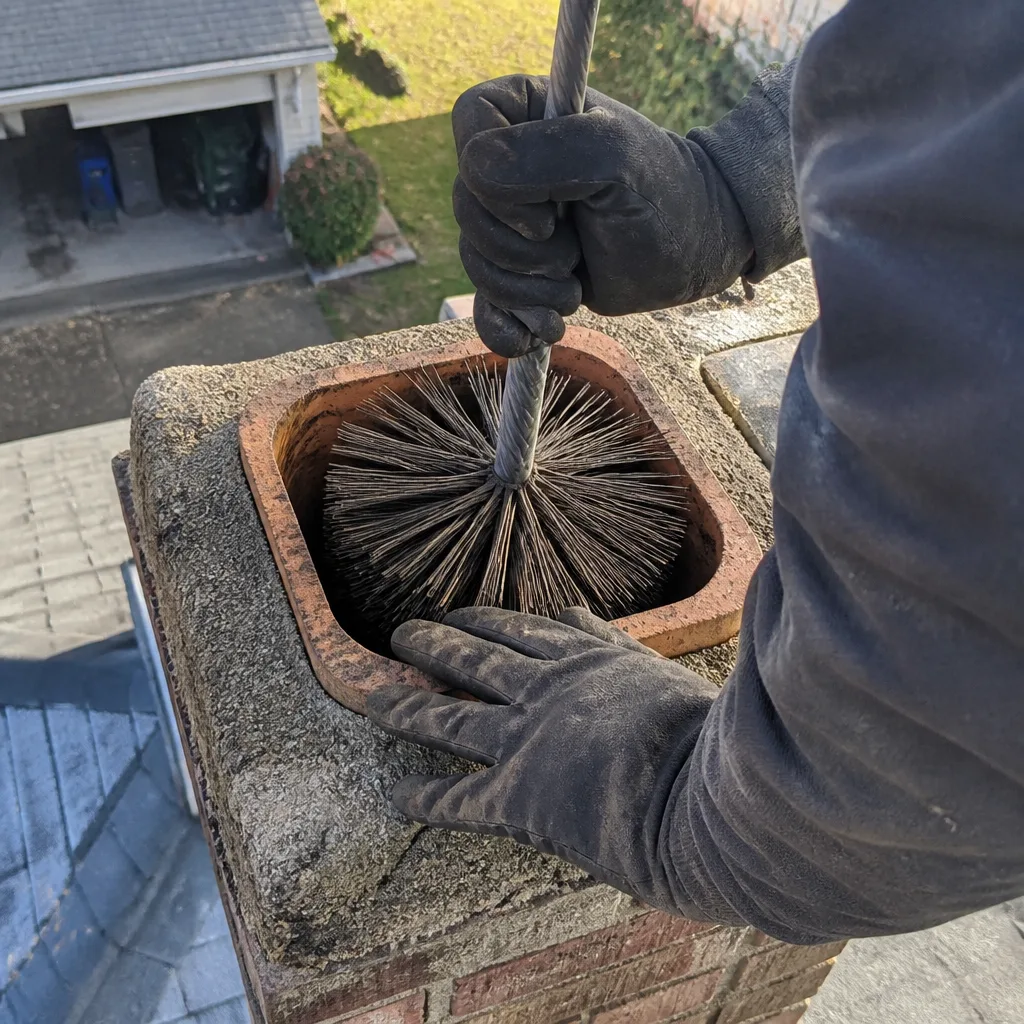
The process varies slightly depending on what the camera shows, but the sequence below is how a standard creosote removal job runs in Norristown. Nothing gets skipped. Nothing gets added without a revised written price.
-
Camera-Scan Inspection First
Before any brushes or chemicals, we run a camera down the flue to document what’s actually there. This is a NFPA 211 Level 2 scan – not a flashlight look from the firebox. The footage shows us liner condition, deposit class, and any cracking or spalling that affects what happens next. You get a photo record of what we found; that record is kept on file under Haven Standard Clause 4. This step cannot be skipped and is not an upsell. -
Written Price Before Anything Else
Once we know what class of creosote we’re dealing with and the condition of the liner, we give you a written price, a written scope of work, and a written warranty before a single brush or chemical touches the flue. This is Haven Standard Clause 1. If the number doesn’t work for you, you owe us nothing for the camera scan conversation. -
Class I and II Removal – Rotary Brush and Vacuum
Light dusty deposits (Class I) and the drier, flaky buildups that constitute Class II are removed mechanically using rotary brushes sized to your specific flue. We work from the firebox up or from the crown down depending on access, and a continuous-vacuum setup keeps the soot contained. No debris in the living room – a drop cloth goes down before we open the firebox and stays down until the work area is cleaned. -
Class III Chemical Treatment – When Glazed Deposits Are Present
Glazed, tar-like Class III creosote does not respond to brushes. We apply a chemical modifier – ACS (anti-creo-soot) or a comparable professional-grade product – that converts the glaze into a friable, brushable material over a period of one to two weeks. This requires two visits: the chemical application first, then the mechanical removal after the treatment has had time to work. We’ll tell you this upfront. If someone quotes you Class III removal in a single visit with no chemical step, ask them to explain the chemistry. -
Post-Removal Camera Verification
After removal, the camera goes back down. This isn’t optional – it’s how we confirm the flue is clear and document the before-and-after condition for your file. If the camera shows remaining buildup or reveals a liner crack that warrants discussion, we note it in writing before leaving. You don’t hear about it six months later when something goes wrong. -
Written Documentation and 365-Day Promise
Every creosote removal closes with a photo record of the completed condition, a written summary of what was found and what was done, and the 365-Day Done Right Promise stamped on the job. If something we did isn’t right within that year, we come back and make it right. That’s not a marketing line – it’s written on the job record.
 Before
 After
AfterCreosote Removal Pricing in Norristown
Creosote removal in Norristown costs between $150 and $800 for most residential jobs. The range is wide because deposit class, flue length, and liner condition all affect what’s involved. Below is how the numbers break down in plain terms.
| Scenario | Typical Price Range | Notes |
|---|---|---|
| Class I – light dusty deposits, standard annual cleaning | $150 – $250 | Single visit; included in a standard sweep appointment |
| Class II – flaky or tar-beginning deposits, moderate buildup | $225 – $400 | Rotary brush; single visit; extra time for heavier accumulation |
| Class III – glazed, hardened, tar-like deposits | $450 – $800 | Two visits required: chemical treatment + mechanical removal; pricing accounts for both |
| Post-fire assessment with creosote removal | $350 – $600+ | Camera inspection, damage documentation, removal, and written liner condition report |
A few things that move the number in Norristown specifically: older colonial and Victorian homes in the East End and Elmwood Park neighborhoods often have taller, narrower flue runs with original clay tile liners – more linear footage, more time, sometimes a higher deposit concentration because those older openings run cooler. Homes with wood-burning inserts and flexible stainless liner systems (using a DuraFlex or comparable product) are generally quicker to clean because the smooth liner surface doesn’t hold deposits the way raw clay does.
We don’t do verbal estimates. Every price is written before work starts, and if a camera inspection reveals something that changes the scope, we stop, update the written price, and get your agreement before continuing. You’ll never open a door to a tech who then tells you it’ll cost more than quoted once they’re already inside.
Free estimate: call (484) 552-9695. A live person picks up. We can schedule a camera inspection and give you a written price the same day in most cases.
What Sets a Norristown Creosote Removal Apart
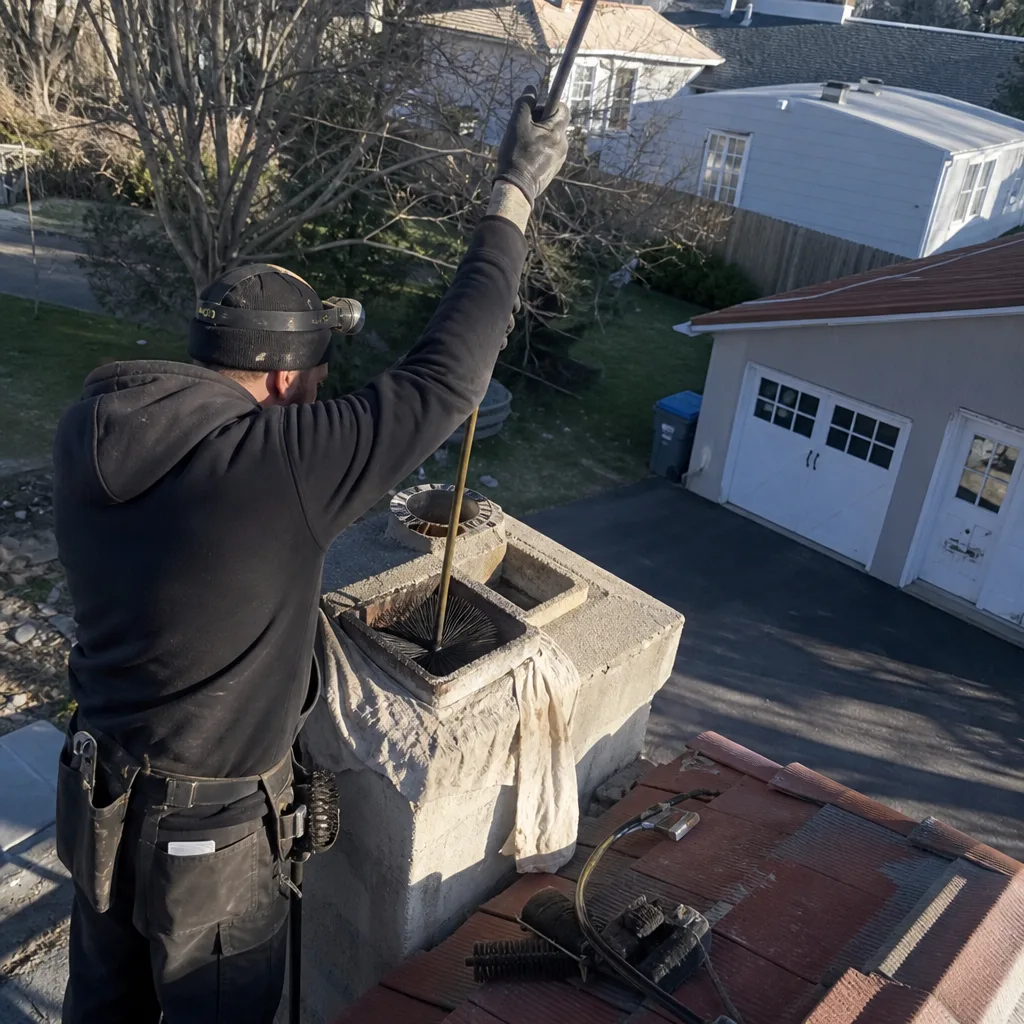
Norristown’s housing stock creates some specific creosote patterns worth knowing. The rowhouses and twin homes along Markley Street and in the Washington Square area were largely built between 1890 and 1940, with masonry chimneys that serve both fireplace flues and old furnace flues – sometimes in the same chase. When a homeowner converts or re-activates a fireplace in one of these properties, the existing liner is often not sized or lined for modern use. Creosote accumulates faster in an oversized or unlined flue because the combustion gases cool before they exit and deposit more of their tar content on the tile.
We’ve also seen a pattern in newer construction on the west side of Norristown – homes built in the 2000s and 2010s with factory-built zero-clearance fireplaces. Those units run through HeatShield-eligible applications when the insulation panels crack, but they also accumulate Class II deposits faster than traditional masonry units if the homeowner is burning lower-quality wood or green (unseasoned) wood. Green wood is one of the primary causes of accelerated creosote buildup, and it’s common in this region where buyers sometimes source wood from local arborists clearing storm damage without letting it season properly.
The Montgomery County climate matters too. Norristown averages around 22 inches of snowfall per season and extended cold stretches from late November through February, which means fireplaces here get real use – not just a few ambiance fires. That translates to real creosote accumulation that needs to be treated as a maintenance item, not an emergency response.
FAQs – Creosote Removal
How much does creosote removal cost in Norristown?
Creosote removal in Norristown runs $150 to $800 for most residential jobs, depending on the deposit class. Class I and light Class II cleaning falls in the $150-$400 range and is done in a single visit. Class III glazed creosote, which requires a chemical pre-treatment, typically runs $450-$800 and takes two appointments. Every price is given in writing before we start. Call (484) 552-9695 for a written estimate – it’s free, and there’s no commitment attached.
Is creosote removal dangerous – should I do it myself?
Creosote removal involves working around a combustion byproduct that ignites at around 451°F and, in its glazed Class III form, is essentially flammable tar coating the inside of your flue. DIY brushing of light Class I deposits is low risk if you have the right equipment and take precautions. But identifying the class correctly requires a Level 2 Inspection, and Class III deposits should not be disturbed mechanically without a chemical pre-treatment – doing so can generate fine, highly combustible particles in an uncontrolled way. Beyond the fire risk, older Norristown chimneys often have cracked liner tiles that aren’t visible without a camera. Brushing through a cracked liner without knowing it’s cracked can cause debris to shift into the smoke chamber or damage existing seals. Have a trained technician do the inspection before you touch anything.
How often should creosote be removed in a Norristown home?
Once per season is the baseline recommended by NFPA 211 for any chimney in regular use. In Norristown, where fireplaces often run from October through March, that means an annual inspection and cleaning before or after the heating season – not both, just one per year unless heavy use or a Class III finding warrants a second visit. If you’re burning more than a cord and a half of wood per season, or if you’re burning wood that isn’t fully seasoned, schedule twice. The camera will tell you what the flue actually needs; we won’t recommend a second cleaning if one isn’t warranted.
What’s the difference between chimney sweeping and creosote removal?
Chimney sweeping is the broader service – it covers cleaning the firebox, smoke shelf, smoke chamber, and flue, as well as a visual inspection of the accessible components. Creosote removal is specifically what happens when deposits have accumulated on the flue liner walls. For Class I deposits, the two things happen in the same appointment; you don’t need to book them separately. For Class II and especially Class III, creosote removal becomes a distinct, more involved process that adds time and sometimes a second visit. Our Chimney Cleaning & Sweep in Norristown page covers the full scope of what a sweep appointment includes.
Schedule Creosote Removal in Norristown
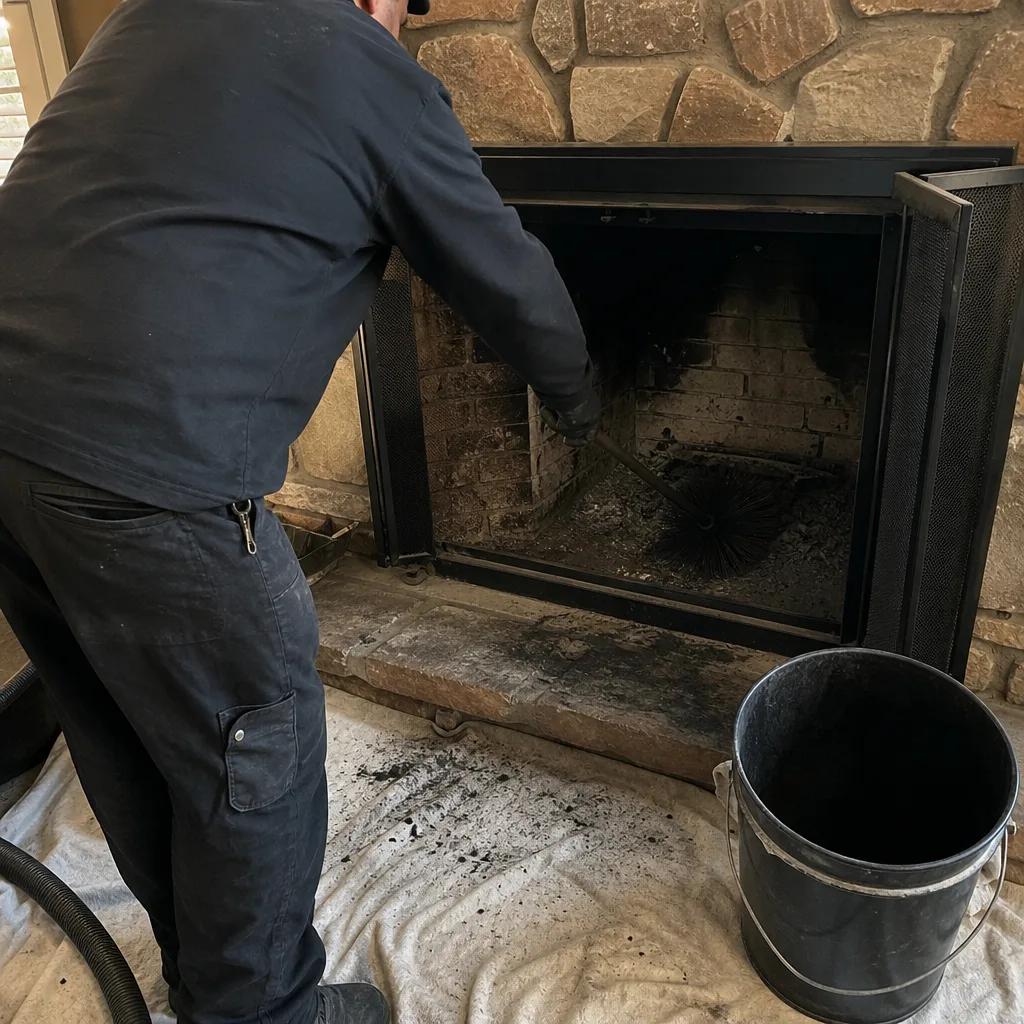
If your fireplace is overdue, if you smelled something this past winter, or if a previous inspection flagged deposits without treating them, call Emberly Chimney Cleaners Norristown at (484) 552-9695. Corrine Halstead’s team answers 24 hours a day – not a voicemail, a person. We’ll schedule a camera-scan inspection, give you a written price before anyone starts work, and send you a photo record when the job is done. The 365-Day Done Right Promise covers every job we complete in Norristown. If you have a competitor’s written estimate, bring it – our free second opinion is available on any written quote.
Written by Corrine Halstead, Owner at Emberly Chimney Cleaners Norristown, serving Norristown.