
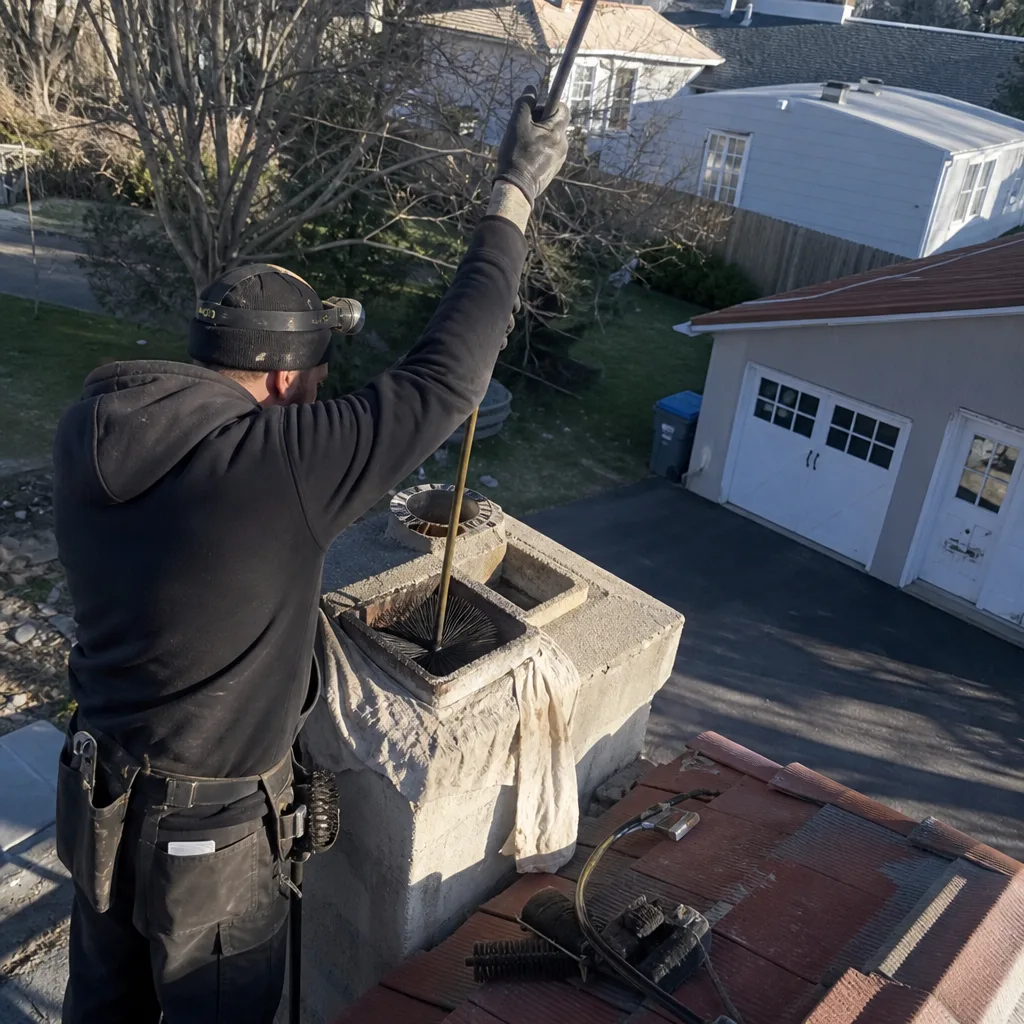
Level 1 sweep and inspection to the NFPA 211 annual standard - flue, crown, cap, and flashing checked and photographed
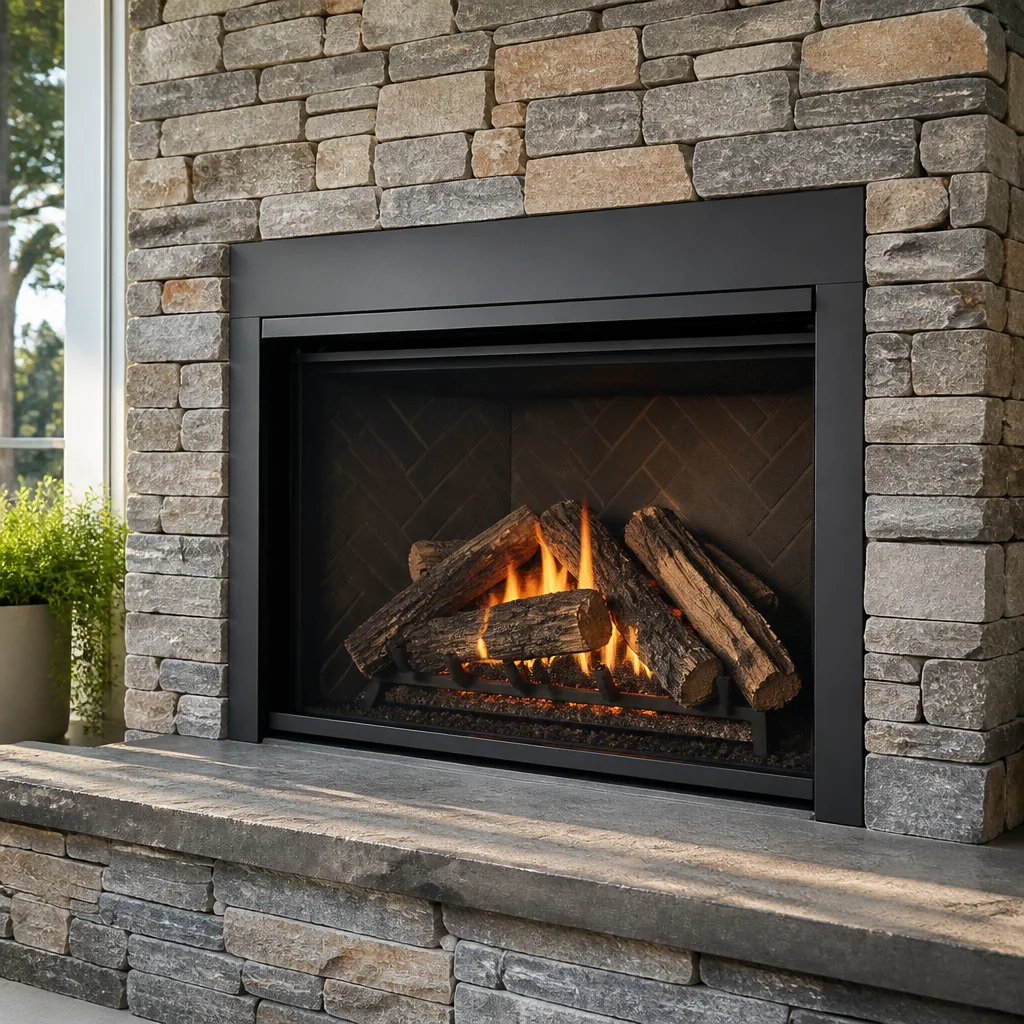
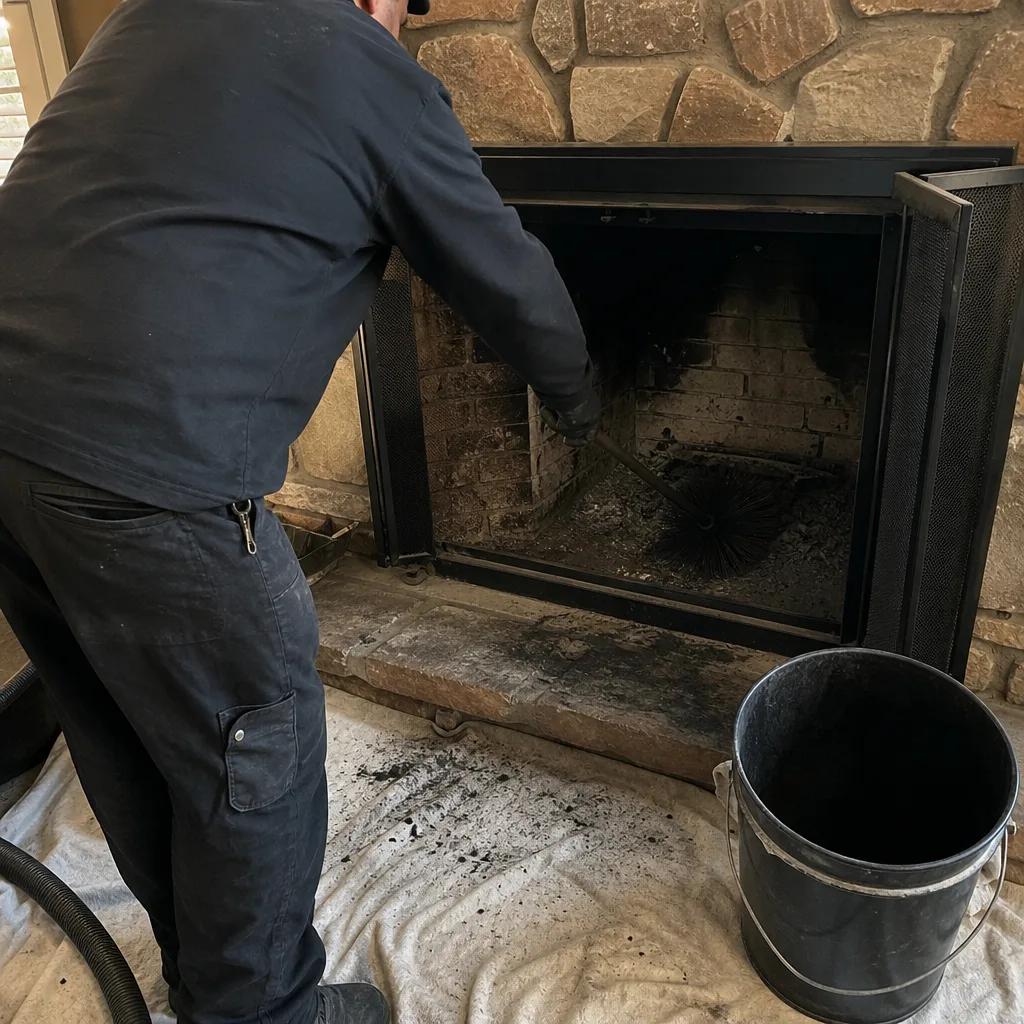
Chimney sweep logs do not sweep chimneys. They loosen some creosote - which then falls where a brush and vacuum still have to collect it.
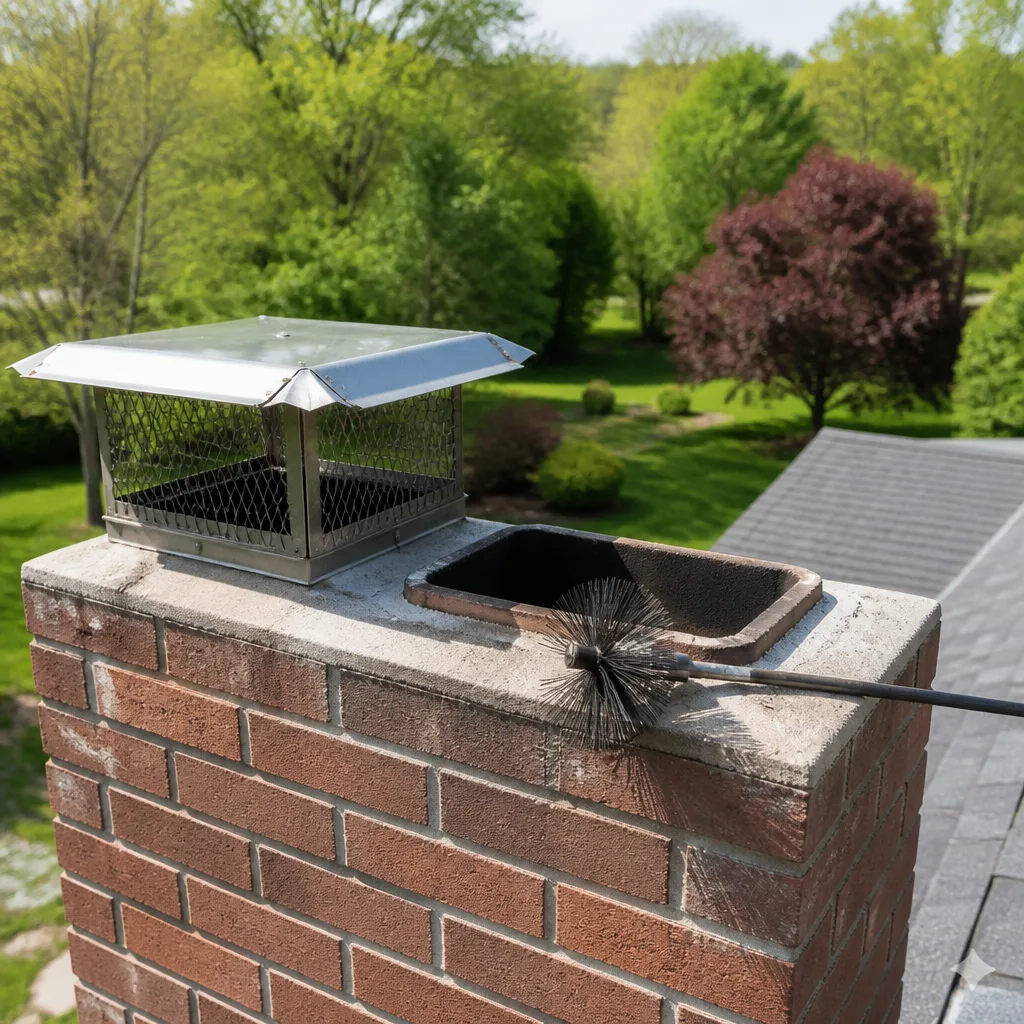
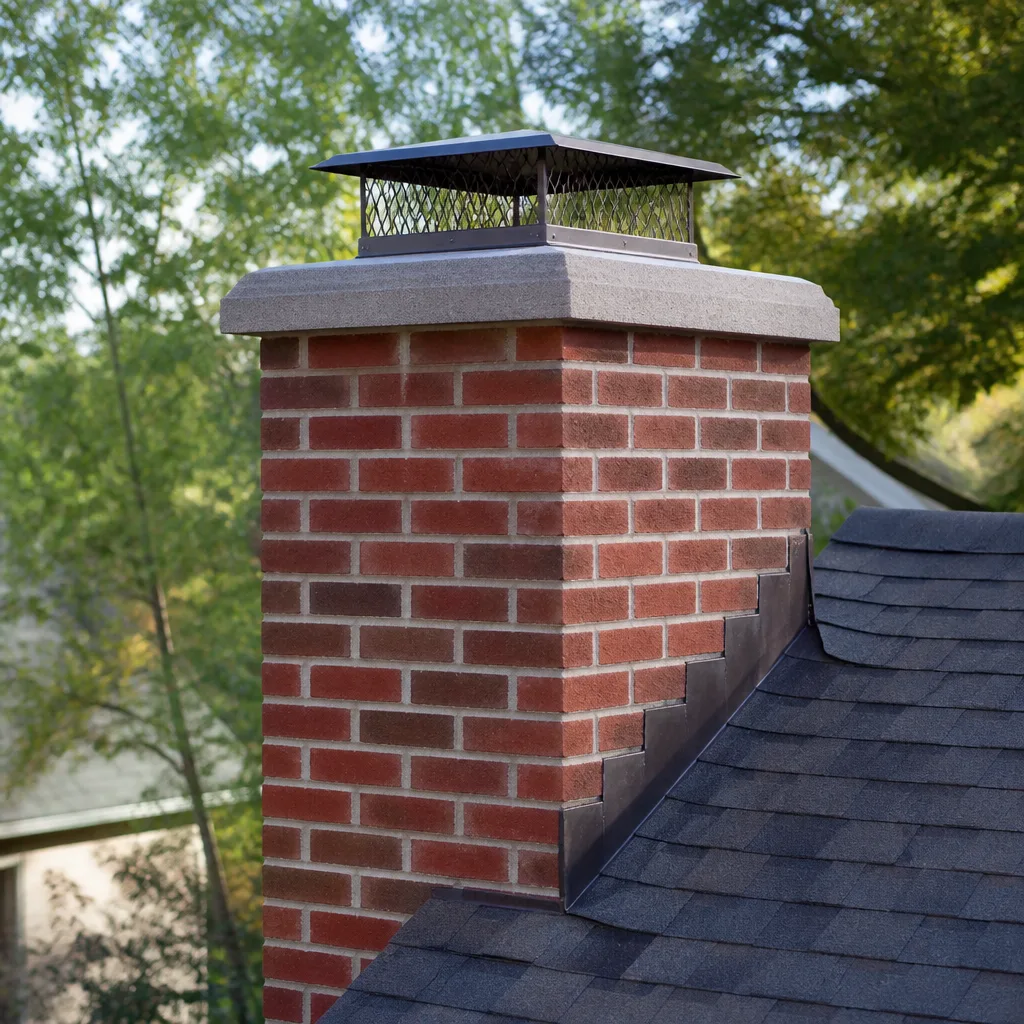
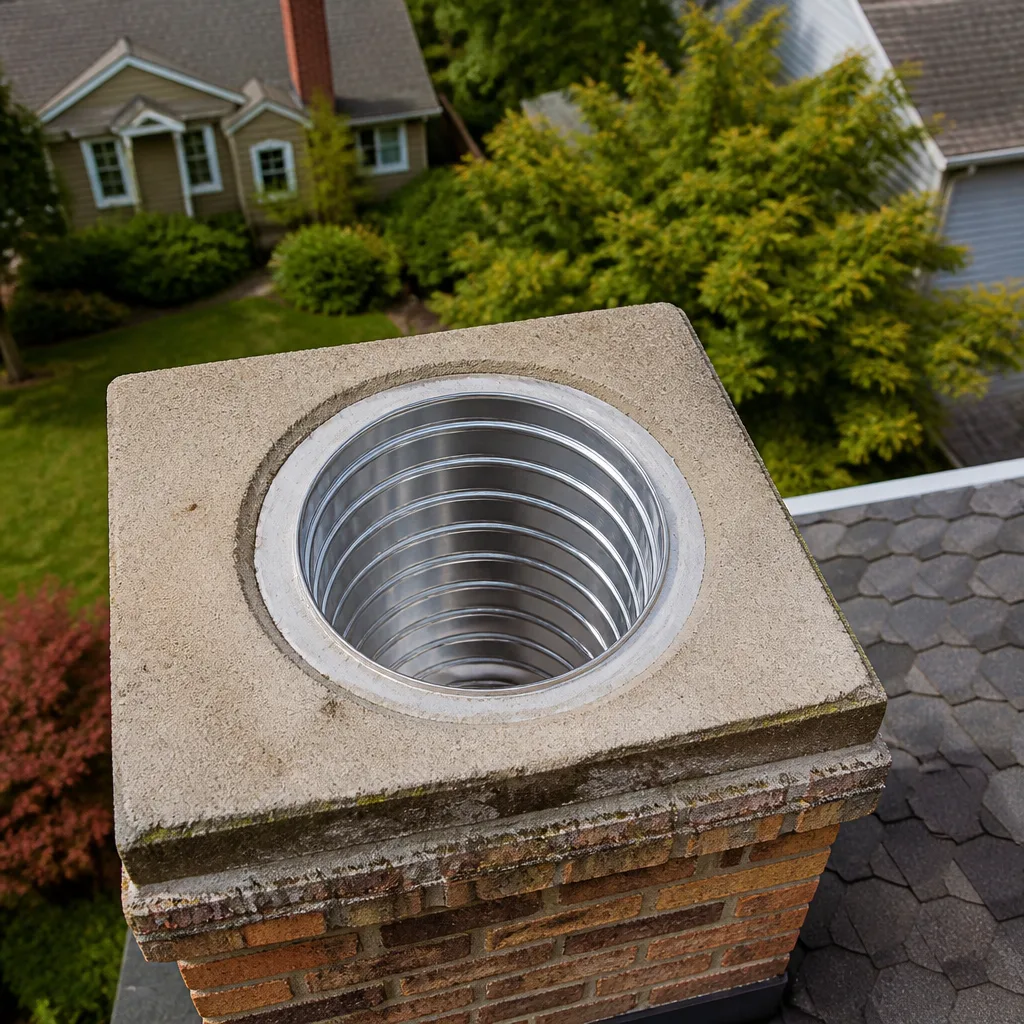
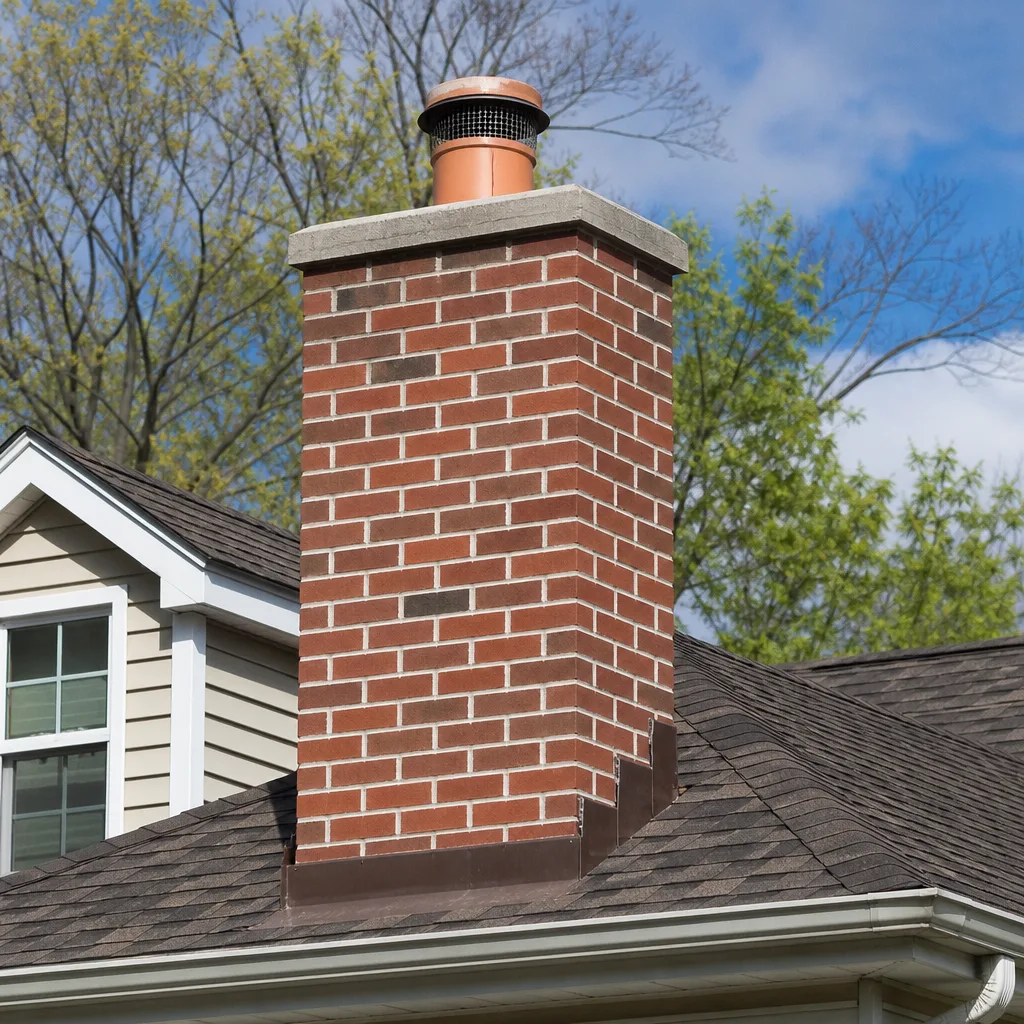
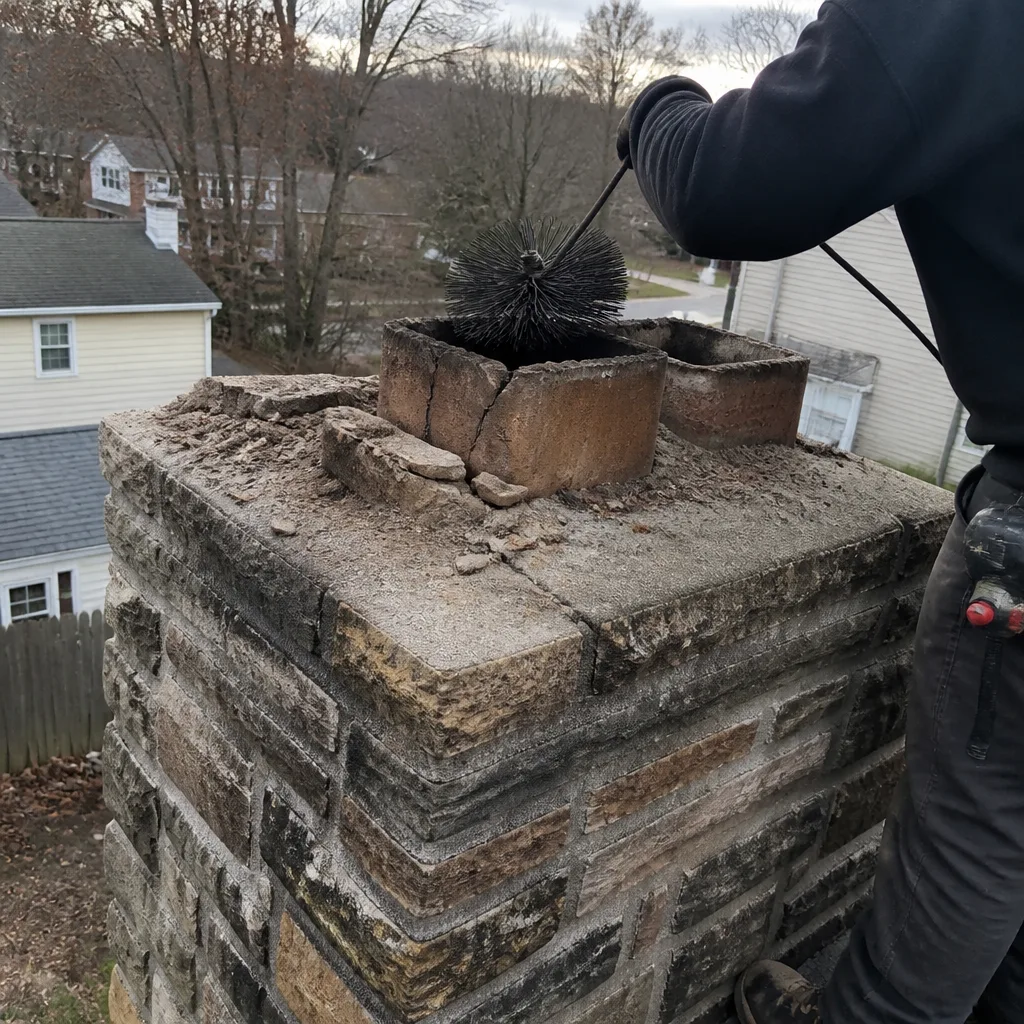 Before
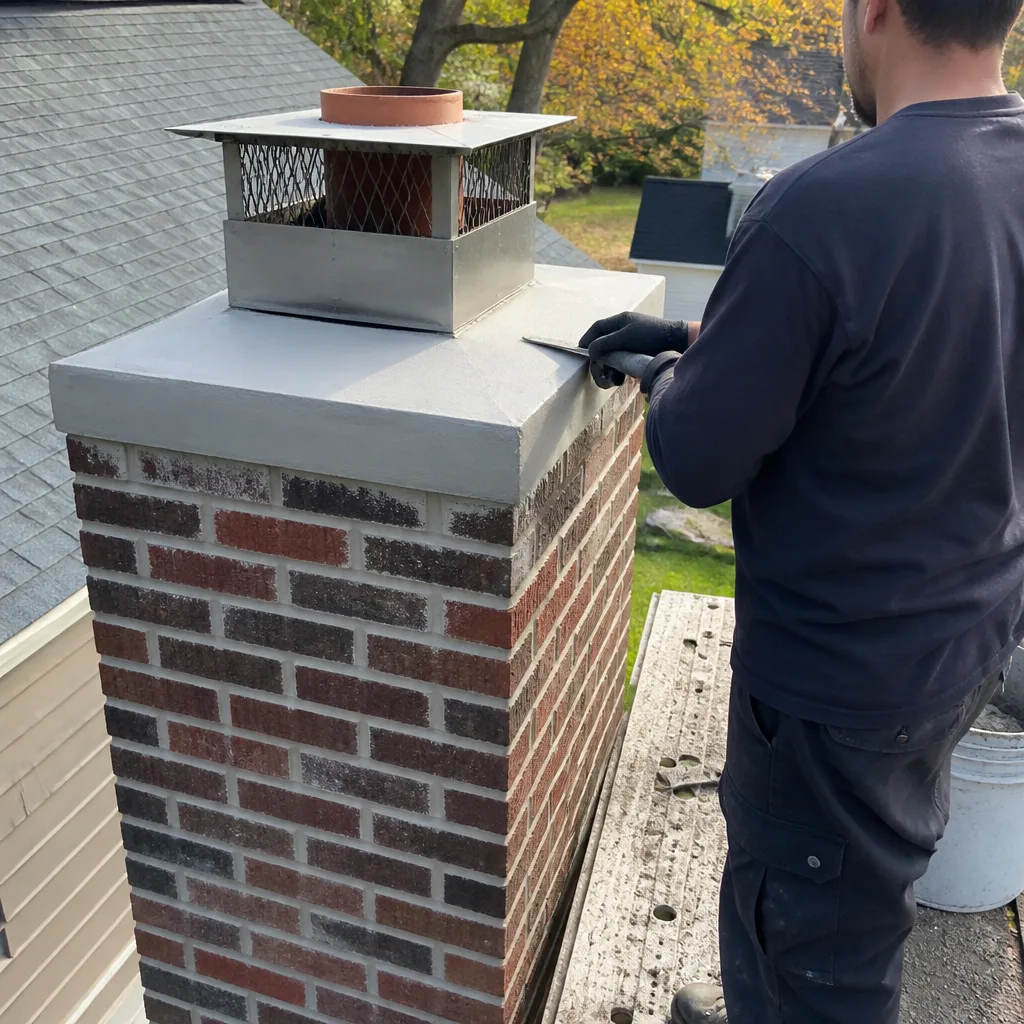 After
After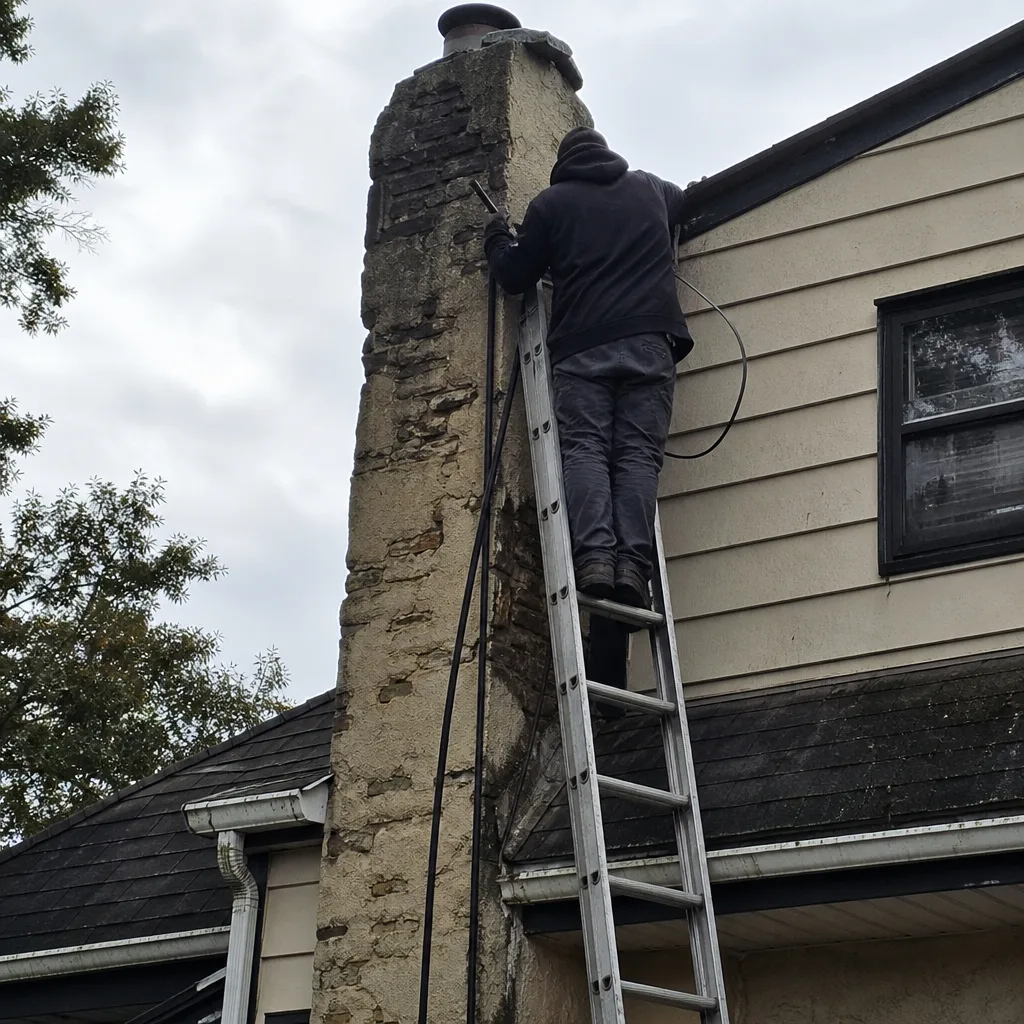 Before
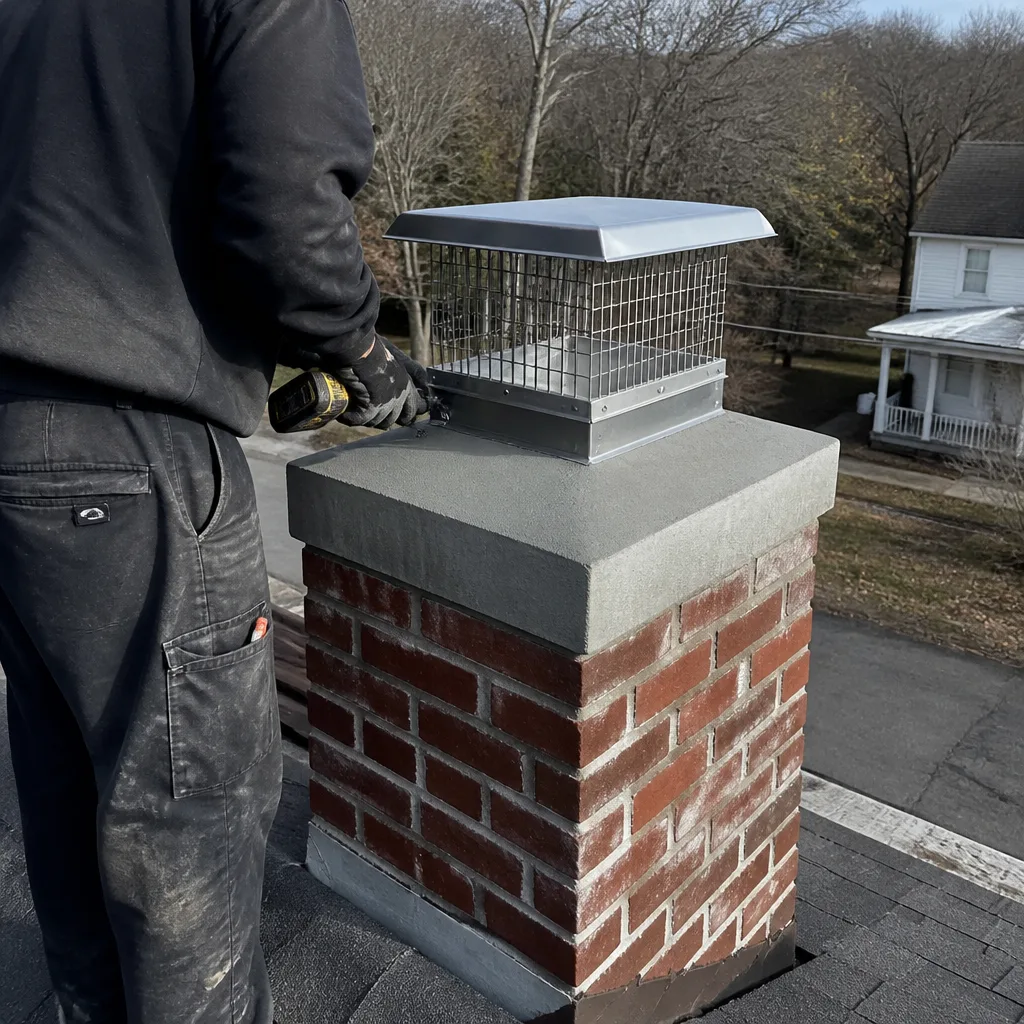 After
After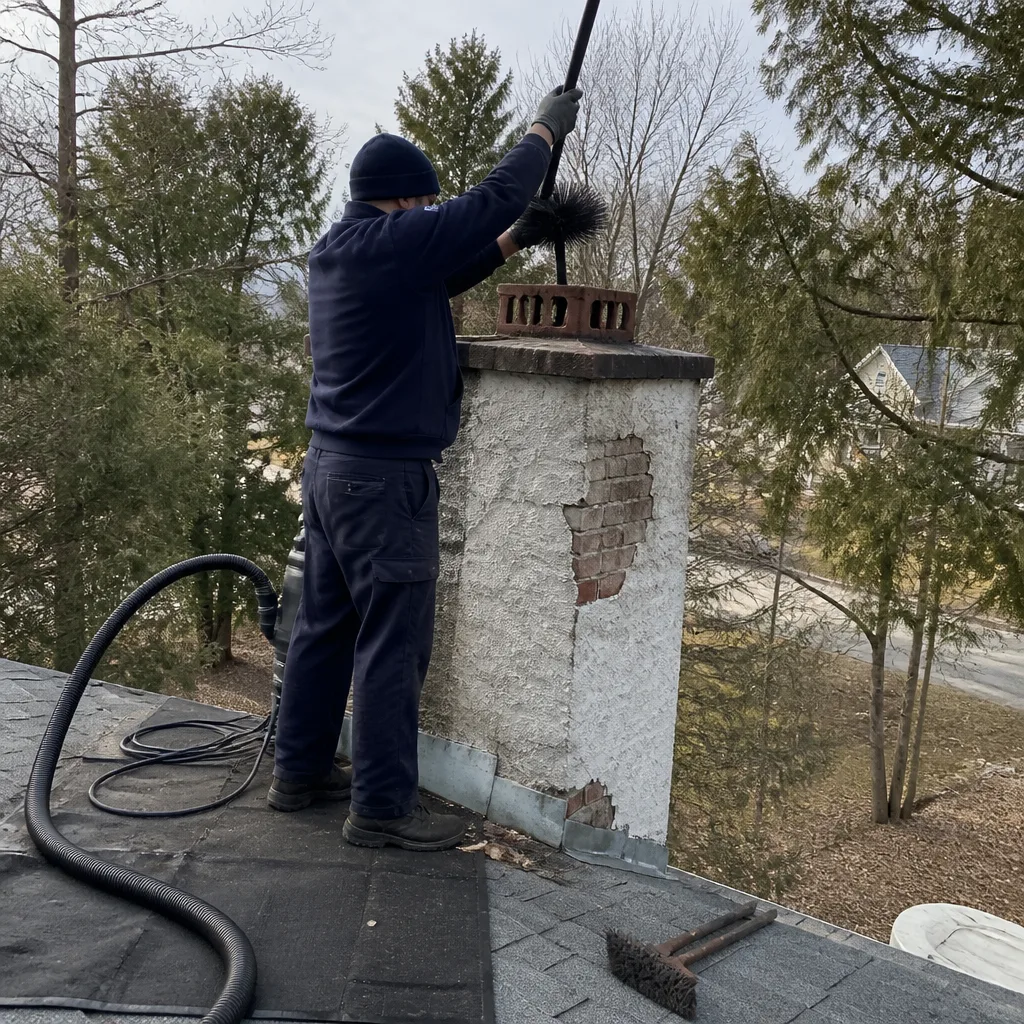 Before
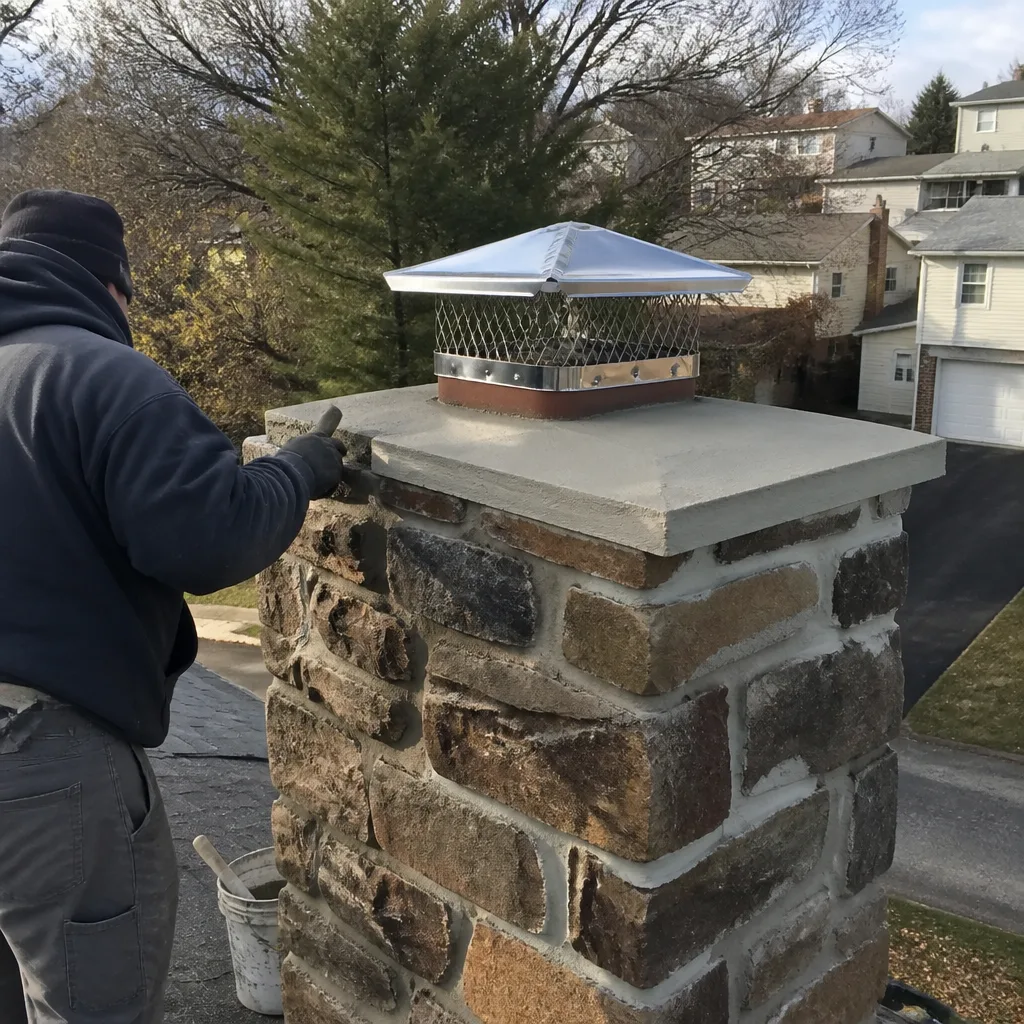 After
AfterLevel 2 Inspection in Norristown, PA
A Level 2 chimney inspection in Norristown covers every accessible interior and exterior surface of your chimney system – including a camera scan of the full flue length – and typically runs between $199 and $349, depending on flue height and system configuration. It’s the inspection standard defined by NFPA 211, and it’s required any time a home changes hands, a new appliance is installed, or the chimney has experienced any kind of event (a chimney fire, a storm, a hard impact). At Emberly Chimney Cleaners Norristown, a camera-scan inspection isn’t an upgrade you pay extra for. It’s been the default on every visit since 2009, and it became Clause 4 of the Haven Standard: a documented photo record on every job, included as standard.
If you’re in Norristown and you’ve been quoted an “inspection” that’s really a technician shining a flashlight into the firebox opening, that’s not a Level 2. It’s not what your insurance carrier means when they ask for one, and it’s not what a home inspector means when they flag it on a disclosure form. We built this company around that distinction. Call us at (484) 552-9695 – live answer, every day – and we’ll book you a real one.
This service is part of our Chimney Cleaning & Sweep in Norristown offering, and it’s often completed the same visit as your annual sweep.
When You Need a Level 2 Inspection
NFPA 211 is specific about when a Level 2 is required, but the honest answer is that most homeowners in Norristown need one and don’t know it. Here are the situations that call for it:
- You’re buying or selling a home. Any change of ownership triggers the Level 2 requirement under NFPA 211. In Norristown’s older housing stock – particularly the rowhouses and colonials in the Elmwood Park and West End neighborhoods built before 1960 – original clay tile flue liners are common, and tile doesn’t last forever. A camera scan tells both parties what they’re actually inheriting.
- You’ve had a chimney fire. Even a small one. Chimney fires can crack clay tile liners without producing any visible damage at the firebox opening. If you heard a low rumble or saw smoke pouring from somewhere unexpected, a Level 2 with camera is the only way to know whether the liner held.
- You changed your heating appliance or fuel type. Switched from oil to gas? Added a pellet stove to an existing flue? The new appliance may burn at a different temperature or produce different byproducts, and the existing liner may not be rated for it. A Level 2 documents what’s there before anything goes wrong.
- Storm or impact damage. After a significant storm – and Norristown gets a fair share of them, particularly the high-wind events that come up the Schuylkill corridor – the crown, cap, and upper courses of masonry take the first hit. A Level 2 covers the full exterior, including areas you can’t see from the ground or the roofline.
- Your insurer asked for one. More carriers are asking for documentation before renewing homeowner policies on older homes. A written Level 2 report with photographic evidence is exactly what satisfies that request – and it’s what we provide on every visit under Haven Standard Clause 4.
- It’s been more than three years since anyone looked inside. We see this often in Norristown’s rental-to-ownership transitions. A fireplace that worked fine for the previous tenant may have accumulated Class II or Class III creosote deposits that are genuinely hazardous. Class III creosote – the concentrated, tar-like form that bonds to the liner – requires a different removal process entirely, and you can’t identify it without a camera.
Our Level 2 Inspection Process
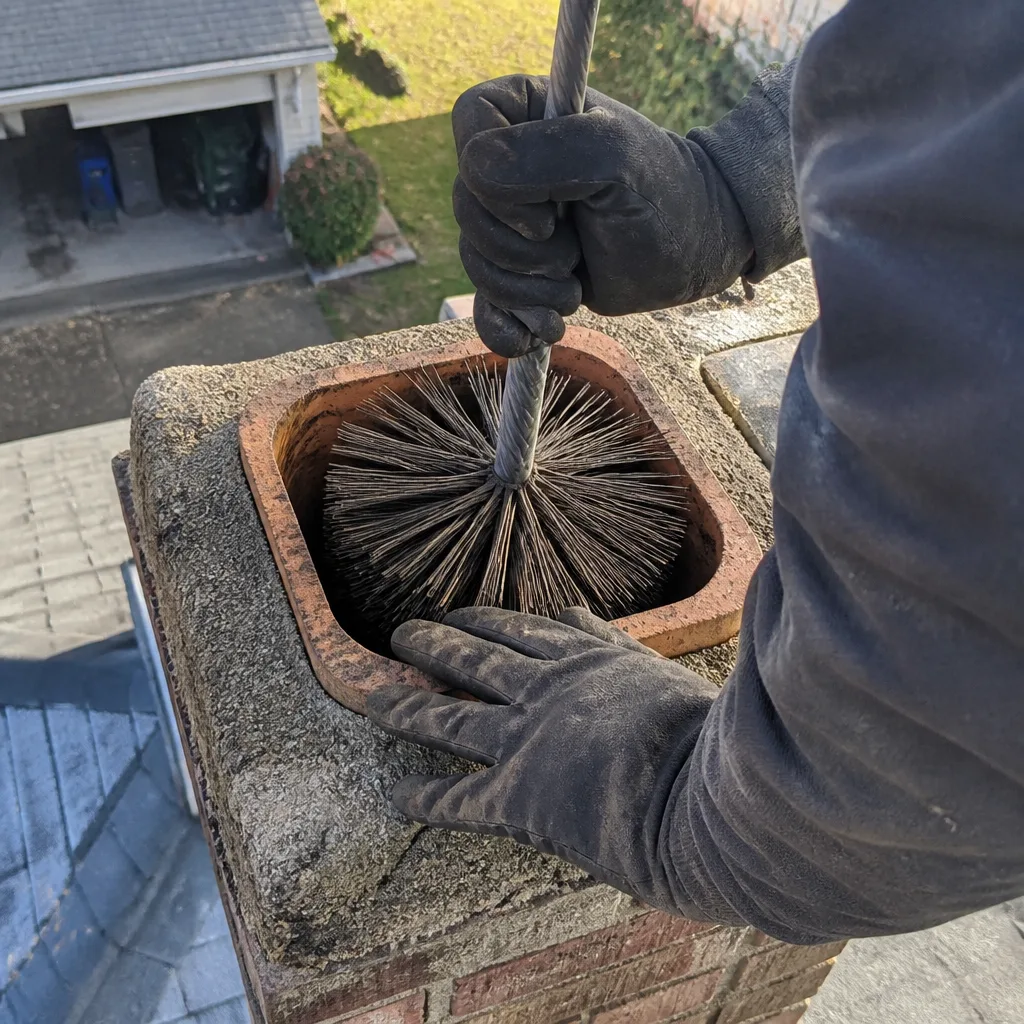
Here’s exactly what happens when a Emberly technician comes to your Norristown home for a Level 2. Nothing happens before you have a written price in hand – that’s not a promise we make selectively, it’s Haven Standard Clause 1.
- Written price, written scope, before we start. Before the drop cloth goes down or a single tool comes out, we hand you a written price and a written scope of the inspection. You know what we’re checking, what the camera will document, and what you’ll have when we’re done. If you’ve already received a written estimate from another company, we’ll give you a free second opinion on it – bring it to the door.
- Full exterior inspection. The technician walks the exterior of the chimney system from the base to the crown. That means the cap, the crown (the concrete or mortar cap that seals the top of the masonry), the flashing at the roofline, and every visible course of masonry. In Norristown, we see a lot of deteriorating crowns on homes built in the 1940s through 1960s – the crown is usually the first thing to crack, and a cracked crown lets water into the system. We document what we find in plain terms: “crown shows a 3mm horizontal crack along the south face” is more useful than “some weathering noted.”
- Firebox and smoke chamber examination. Inside the firebox, we check the firebox walls and floor for spalling (brick face separating from the body) or open joints, the damper for operation and seal, and the smoke chamber – the area above the firebox that funnels combustion gases into the flue. The smoke chamber is one of the most commonly neglected surfaces; it should be smooth and it often isn’t, which affects draft and increases creosote buildup.
- Camera scan of the full flue liner. This is what separates a Level 2 from everything else. A specialized inspection camera goes down the flue from the top and travels the full length of the liner – in a typical Norristown colonial, that’s often 15 to 22 feet. The camera documents the liner condition in real time. We’re looking for cracks in the clay tile, open joints between tile sections, spalling of the tile face, offset sections, or any obstruction. If there’s an existing HeatShield application or a DuraFlex liner installed by a previous contractor, we can assess its condition as well. You see what we see, and the footage is part of your documented record.
- Creosote classification and buildup measurement. If the flue has been used for wood burning, we classify creosote deposits by degree: Class I is light and brushable, Class II is flaky or puffy and requires a specialized rotary brush, Class III is the concentrated glaze that bonds to the liner surface and must be treated chemically before it can be removed. The distinction matters because Class III in particular is a fire hazard that can reignite at temperatures lower than most homeowners expect. We tell you the class, what it means, and what removal looks like in terms of cost and process – before we do anything else.
- Written report and documented photo record. When the inspection is complete, you receive a written report covering every surface examined, its condition in plain language, and any deficiencies noted with their location. The photo record – required under Haven Standard Clause 4 – accompanies the report. If we found nothing that needs attention, you have that in writing. If we found something, you have the photo evidence and a written price for the repair before we leave. The 365-Day Done Right Promise is stamped on every job: if it’s not done right, we make it right.
 Before
 After
AfterLevel 2 Inspection Pricing in Norristown
A Level 2 chimney inspection in Norristown runs $199 to $349 at Emberly Chimney Cleaners Norristown. That range is not vague – here’s what moves the number:
- $199 – $249: Single-story or two-story home with a standard straight flue, one fireplace, accessible from the roofline without extended ladder work. This covers the majority of Norristown’s rowhouse and twin-home stock.
- $250 – $299: Two or more story with an offset or multiple-bend flue, or a system that requires additional camera passes. Common in Norristown’s larger colonials in the Elmwood Park area.
- $300 – $349: Multiple flues, a liner with a pre-existing repair (HeatShield or cast-in-place) requiring specialized documentation, or steep roof pitch requiring additional safety equipment.
If you combine the Level 2 with your annual sweep on the same visit – which is usually how we schedule it – the combined price is lower than booking them separately. You’ll see that in your written quote before anything starts.
We do not quote over the phone without seeing the system first. What we do instead: we give you a firm written price at the door, before any work begins. That’s not a policy exception – it’s Haven Standard Clause 1, and it applies to every job, every time. Call (484) 552-9695 to schedule; we’ll give you the written price when we arrive.
What the Norristown Market Looks Like
We’ve done this long enough in Montgomery County to know what shows up in Norristown’s chimneys. The housing stock skews older – a significant portion of the Borough’s residential chimneys were built before 1970, which means original clay tile flue liners that are now 50 to 80 years old. Clay tile was the standard liner material for most of the 20th century, and it’s not a bad one, but it has a service life. Tile expands and contracts with heat cycles, and after several decades of use, the joints between tile sections open up. An open joint in the liner isn’t a cosmetic issue – it’s a path for combustion gases to reach the surrounding framing.
We also see a specific problem in Norristown homes that were converted from oil heat to gas in the 1990s or 2000s: the original flue was sized for oil, which burns at a higher temperature and produces different exhaust with more soot than a modern gas appliance. The result is a flue that’s oversized for the current appliance, which causes condensation and accelerated liner deterioration. A camera scan catches this; a flashlight look doesn’t.
In the neighborhoods closest to the Schuylkill – areas like Sandy Hill and portions of East Norriton adjacent to the Borough – we see more storm-related crown and cap damage than in areas with more tree cover. The wind exposure off the river is real, and it’s not something you see from the ground in the weeks after a storm. The Level 2 documents it before it becomes a water-intrusion problem inside the chimney system.
Since 2009, our team has documented more than 38,000 chimney inspections and chimney cleanings across this region – every one with a written price before work started and a photo record when it was done. That archive of documentation is one reason we can tell you, specifically and plainly, what to expect in a Norristown chimney of a given age and construction type.
FAQs – Level 2 Chimney Inspection in Norristown
What does a Level 2 chimney inspection include that a Level 1 doesn’t?
A Level 2 inspection includes a camera scan of the full interior flue and examination of accessible attic, crawl space, and basement areas that are adjacent to the chimney – none of which are part of a Level 1. A Level 1 covers only what a technician can see from the firebox opening and the chimney exterior at ground level, without a camera or any penetration of the structure. Under NFPA 211, a Level 2 is required any time you change an appliance, sell the home, or the system has experienced an event like a chimney fire or significant storm. If you’re unsure which applies to your situation, call (484) 552-9695 and we’ll tell you plainly.
How long does a Level 2 inspection take in Norristown?
A Level 2 inspection on a standard Norristown single-family home – one flue, straight configuration, accessible roofline – takes about 60 to 90 minutes from arrival to completed written report. A more complex system with multiple flues, a steeply pitched roof, or a liner that requires additional camera passes can run closer to two hours. We don’t rush the camera work; the footage is part of your permanent documentation, so it gets done correctly. Your technician will give you a realistic time estimate before starting.
Is a Level 2 inspection required when buying a home in Norristown?
NFPA 211 specifies that a Level 2 inspection is required upon any change of ownership of a property with a solid-fuel or gas-burning appliance vented through a chimney. That standard is adopted by most home insurance carriers and many mortgage underwriters. A general home inspection does not satisfy this requirement – most home inspectors are not qualified to perform a Level 2 and will note the chimney as “outside scope.” If you’re in the middle of a real estate transaction in Norristown and the inspection report flagged the chimney, call (484) 552-9695 – we can usually schedule within a few days and deliver a written report the same day as the inspection.
What happens if you find something wrong during the inspection?
We document what we found – in writing, with photos – and give you a written price for the repair before we do anything else. You are not obligated to have us do the repair the same day, and we won’t pressure you to. If the deficiency is something that makes the system genuinely unsafe to use (an open liner joint or Class III creosote, for example), we’ll tell you that plainly and explain why. If you want a second opinion on the repair estimate, we support that – and if you bring us a competitor’s written estimate, we’ll give you our second opinion on it for free. The 365-Day Done Right Promise covers any repair we do perform: if it’s not right, we come back and make it right.
Book Your Level 2 Inspection in Norristown
If you need a Level 2 chimney inspection in Norristown – for a real estate transaction, an insurance renewal, or because it’s simply been too long since anyone put a camera down your flue – call Emberly Chimney Cleaners Norristown at (484) 552-9695. Live answer, every day. You’ll have a written price before any work starts, a camera-documented photo record when it’s done, and a written report you can hand to an insurer, a buyer, or a repair contractor. That’s what a Level 2 is supposed to produce. That’s what we deliver.
Written by Corrine Halstead, Owner at Emberly Chimney Cleaners Norristown, serving Norristown.