
Last updated September 22, 2026
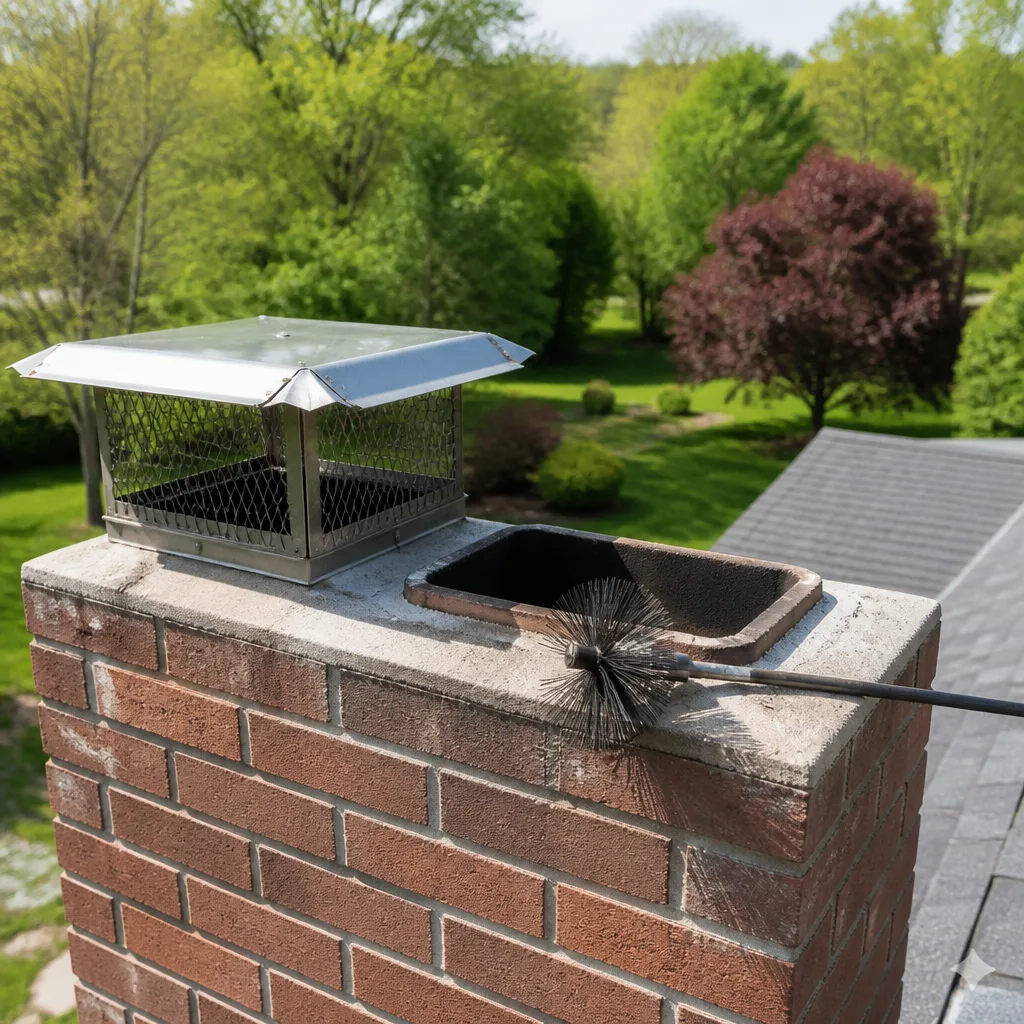
Level 1 sweep and inspection to the NFPA 211 annual standard - flue, crown, cap, and flashing checked and photographed
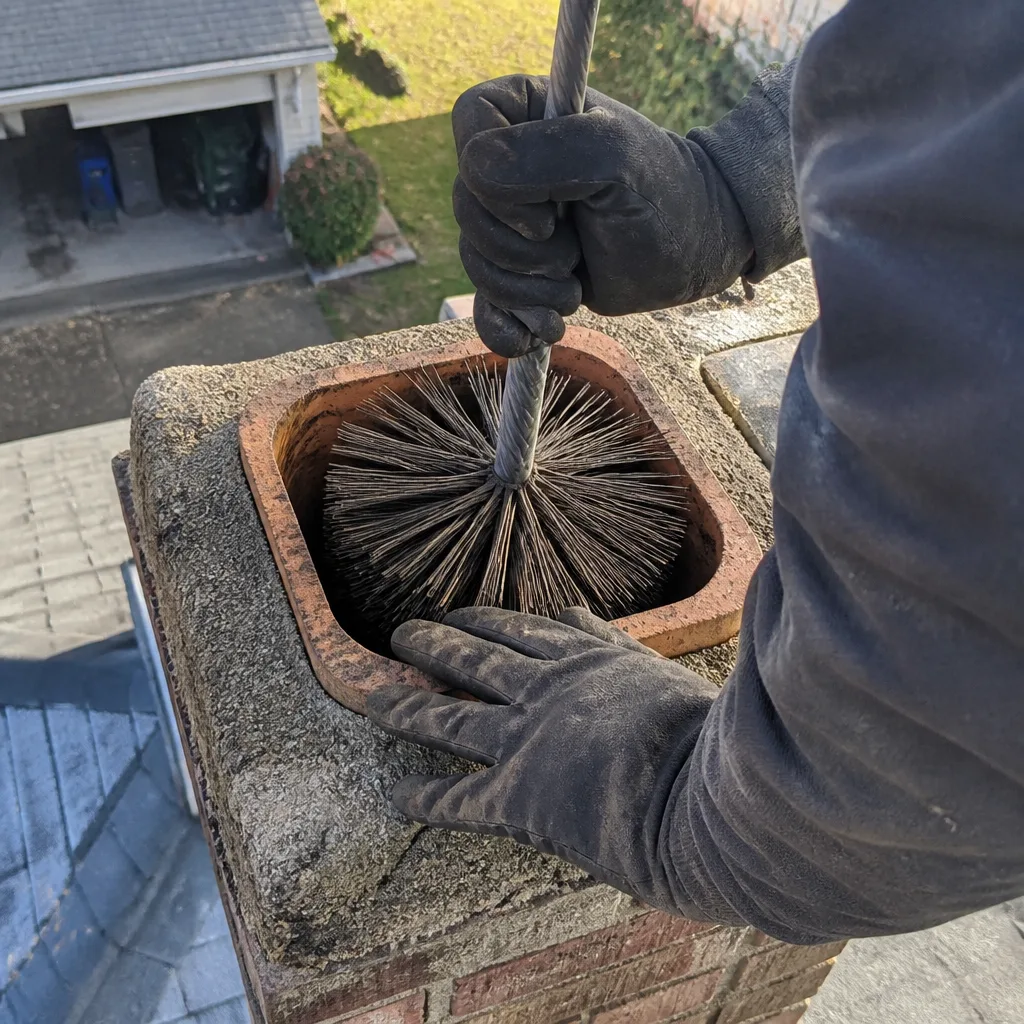
Chimney sweep logs do not sweep chimneys. They loosen some creosote - which then falls where a brush and vacuum still have to collect it.
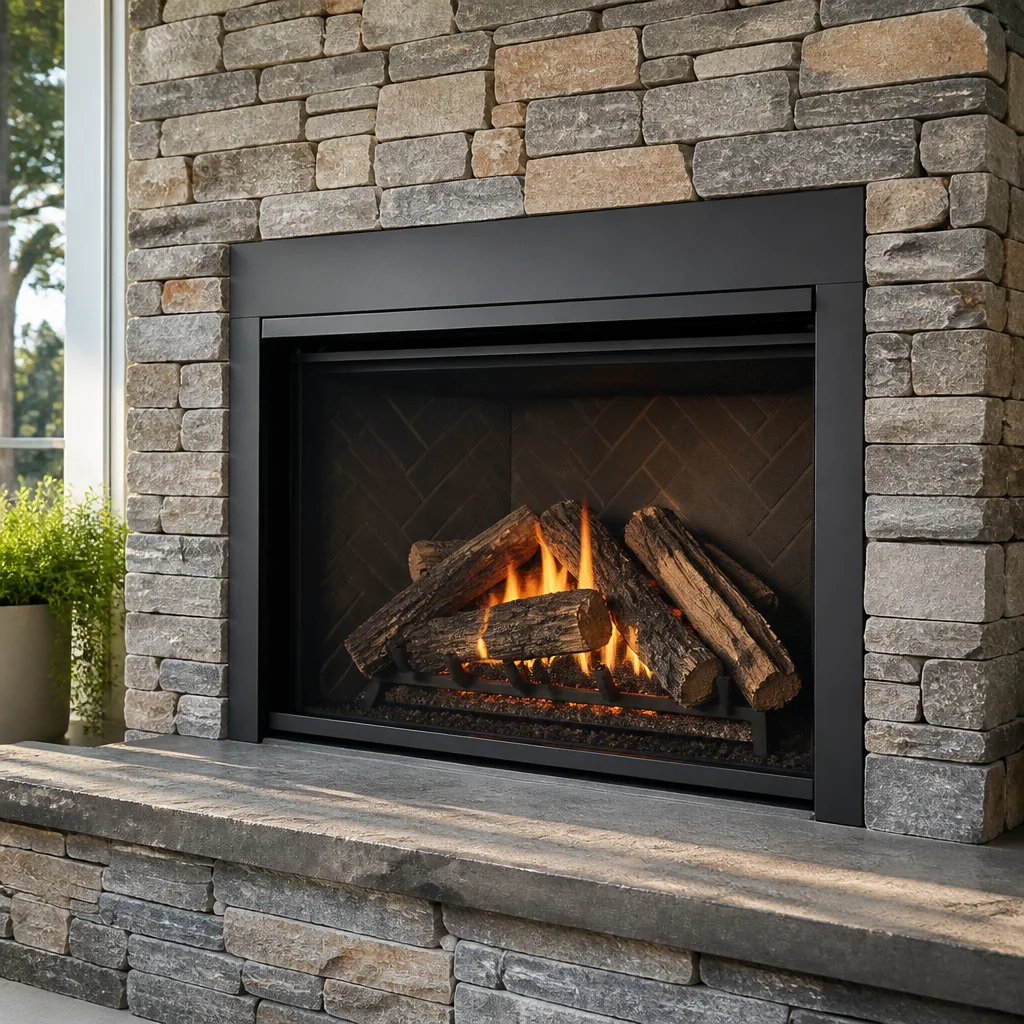
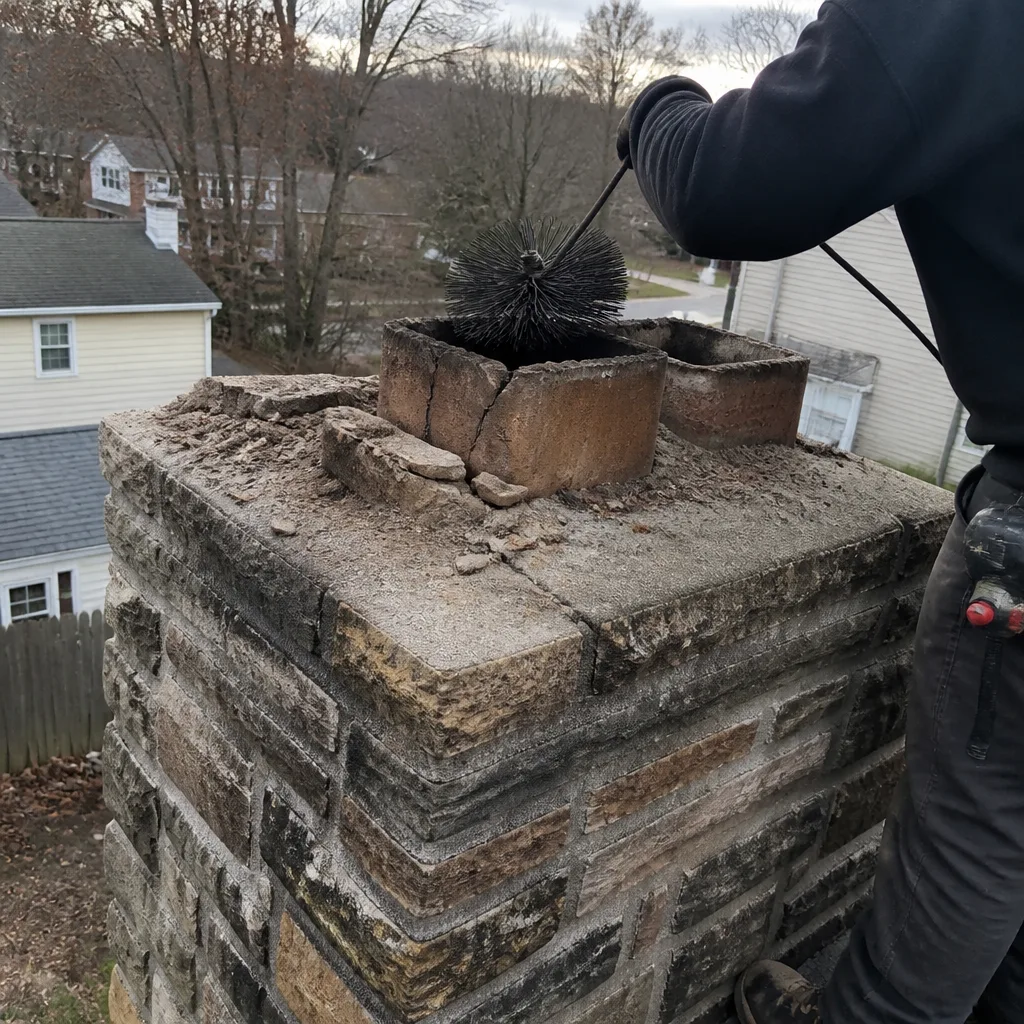 Before
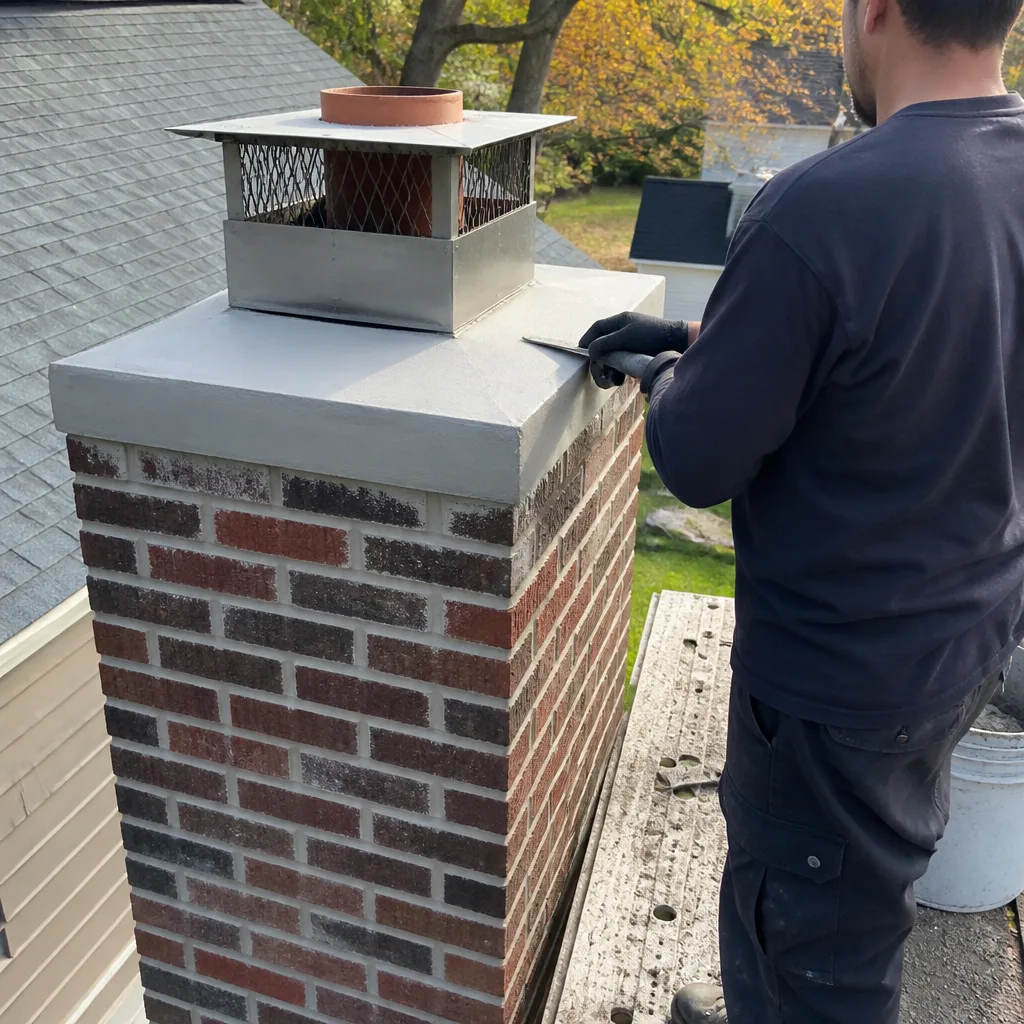 After
After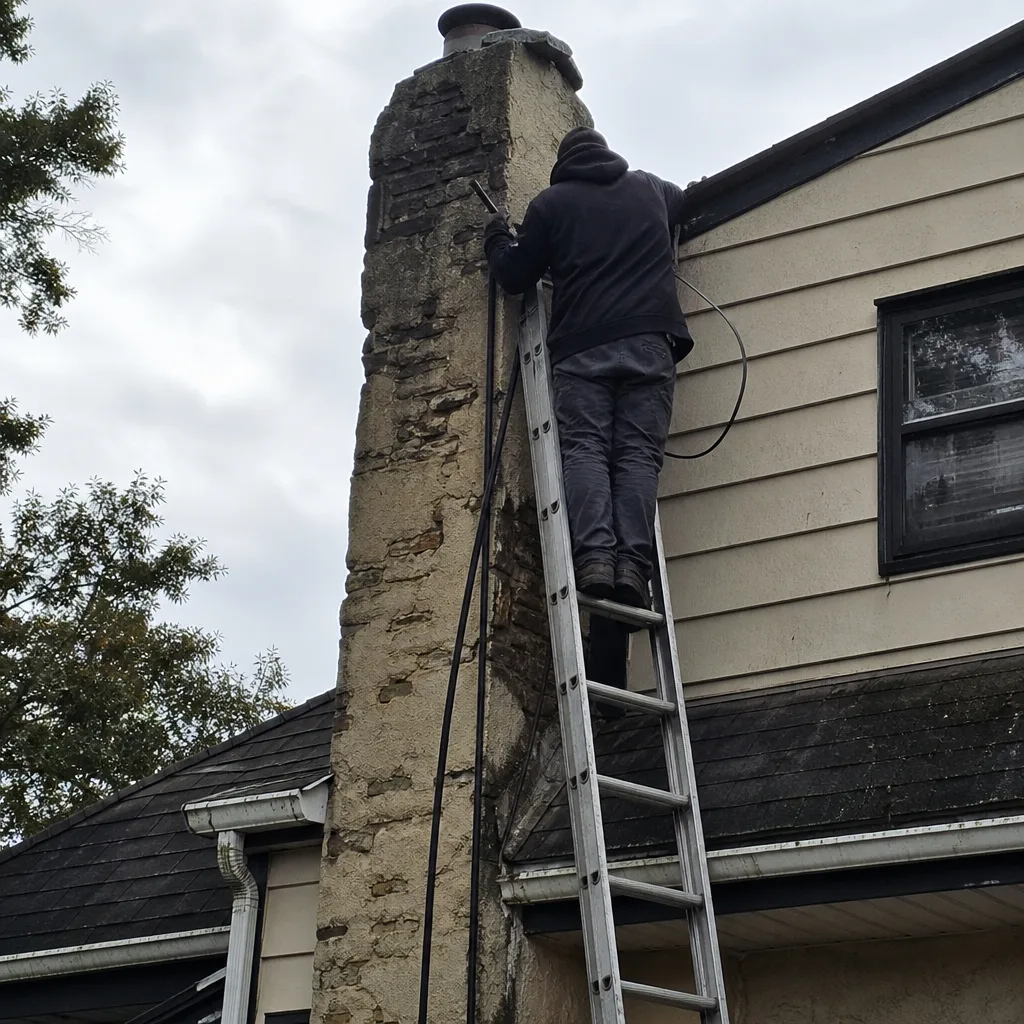 Before
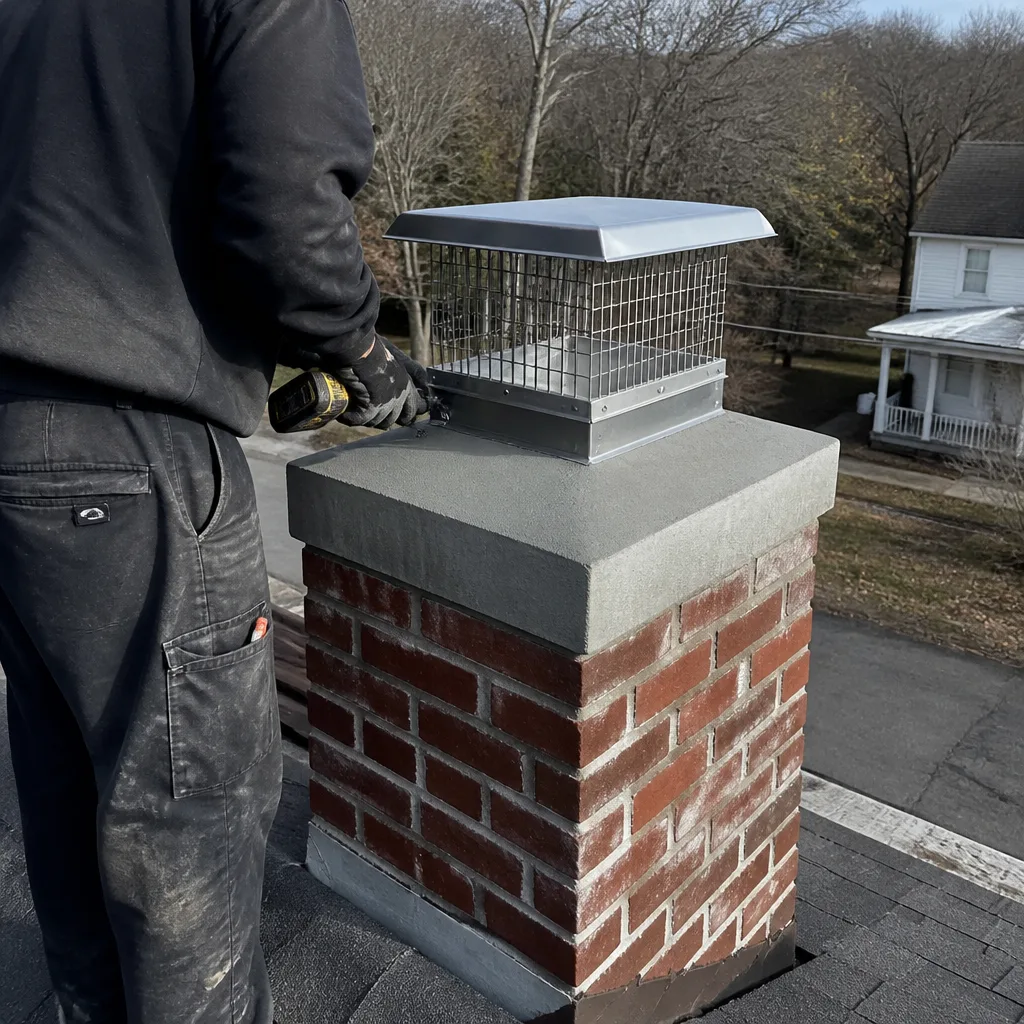 After
After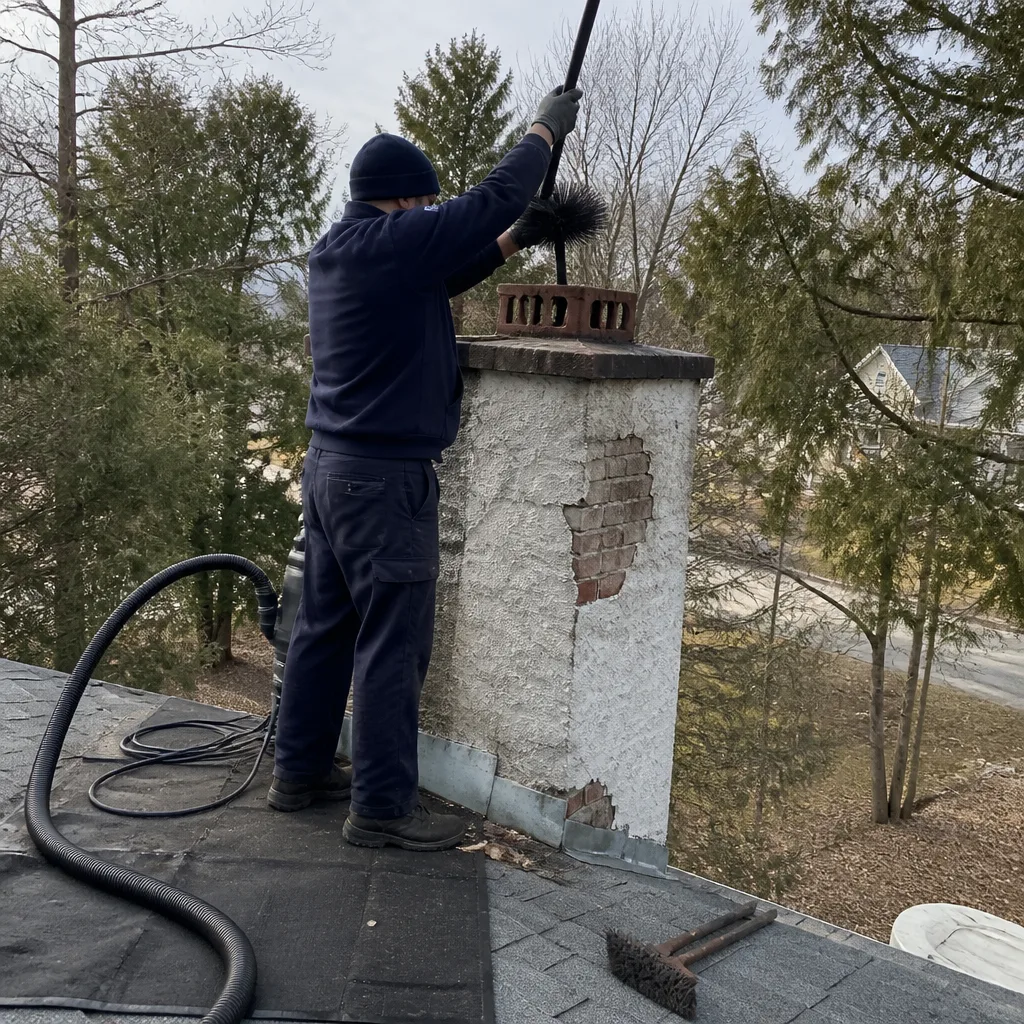 Before
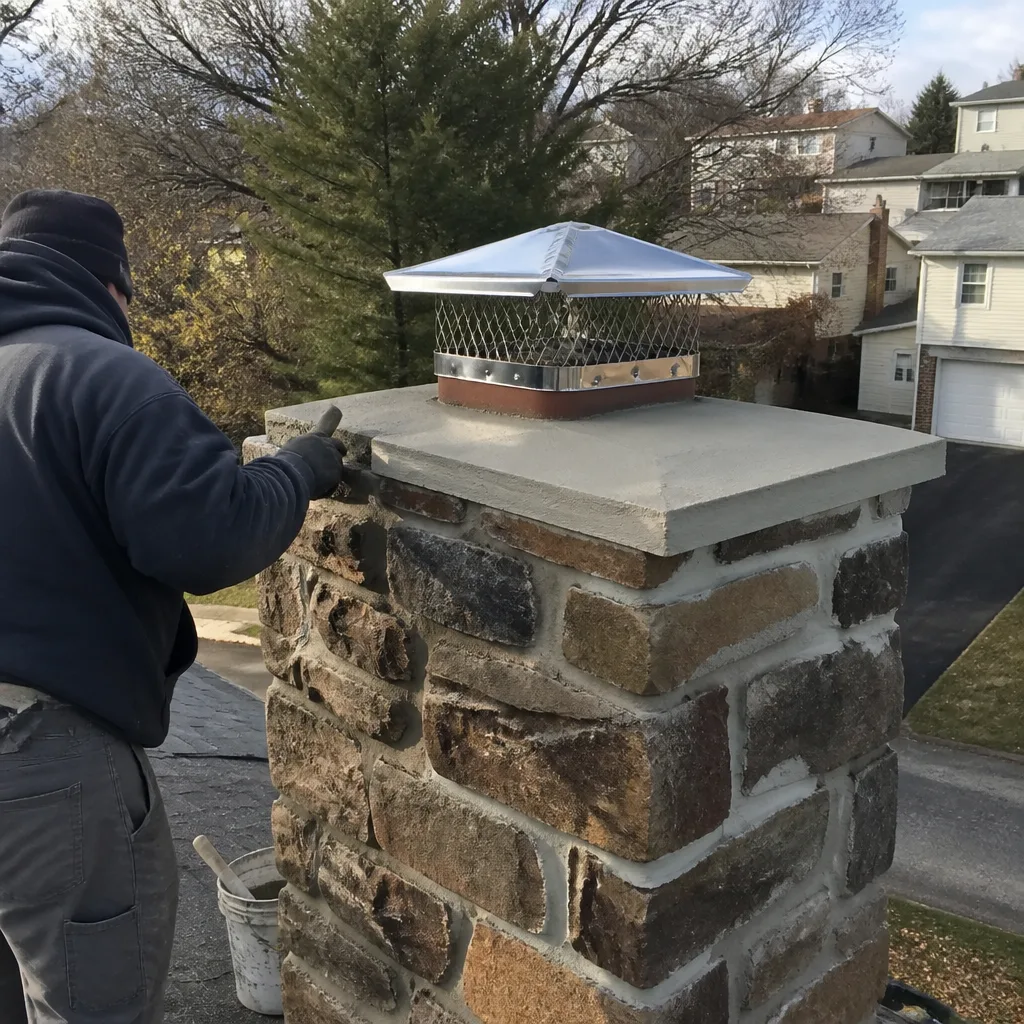 After
AfterChimney Cleaning & Sweep Maintenance Checklist for Norristown Homeowners
Most chimney checklists tell you to “inspect the damper” without explaining that a damper can look perfectly fine from the firebox while its warped frame leaks carbon monoxide and heated air - a flaw a flashlight inspection misses entirely and a camera catches in thirty seconds. In Norristown, where freeze-thaw cycles attack exposed brick and steep-pitch rooflines from the 1920s through 1950s dominate neighborhoods like West Norriton and East Norriton, that distinction matters. This guide - alongside our Complete Guide to Chimney Cleaning in Norristown - separates what you can verify with your own eyes from what requires NFPA 211 Level 2 camera documentation, gives each item a pass-fail condition, and shows you how to use the results as a conversation tool with any contractor - including what to ask before they start and what documentation to demand when they finish.
Quick Answer
A complete chimney maintenance checklist for Norristown homeowners has two tracks: homeowner visual checks (firebox, damper handle, exterior brick, cap from ground level) done monthly during burning season, and chimney cleaning & sweep camera inspections (flue liner, smoke chamber, crown, flashing) done annually by an NFPA 211 Level 2 professional. Every check needs a pass-fail condition, a written record, and a photo or video file stored with your homeowner insurance documents.
Table of Contents
- Homeowner Visual Checks: What You Can Verify Yourself
- Contractor Camera Checks: What Requires Professional Equipment
- Norristown-Specific Risks: Climate, Architecture, and Code
- The Maintenance Calendar: Exact Timing for Each Item
- Documentation and Records: What to Keep and Why
- Using Your Checklist as a Contractor Conversation Tool
- Wait a Season vs. Ground the Fireplace Immediately
- Common Mistakes to Avoid
- When to Call a Professional
- Frequently Asked Questions
- The Bottom Line
 Before
 After
AfterHomeowner Visual Checks: What You Can Verify Yourself
These five checks require no ladder, no special equipment, and no training beyond knowing what failure looks like. Do them monthly from October through March, and once in September before you light the first fire. Each item has a clear pass-fail condition.
1. Firebox Interior
What to check: Look for cracks in the firebrick, gaps in the mortar joints, and rust stains that suggest water infiltration from above.
Pass condition: All firebrick faces intact. Mortar joints recessed no more than one-quarter inch. No white efflorescence or rust streaks.
Fail condition: Any through-crack exposing the outer shell. Missing or spalled brick faces. Rust stains running down the rear wall - this indicates a crown or flashing failure above, and the fireplace should not be used until a camera inspection confirms the flue liner is dry. See our Chimney Cleaning Warning Signs: A Norristown Homeowner’s Reference Guide for additional red flags.
In Norristown’s older housing stock, particularly the twin homes and row houses built between 1900 and 1940, we regularly see fireboxes where decades of small cracks have widened into gaps that let combustion gases leak into wall cavities. A cracked firebox does not always ground the fireplace immediately, but it always triggers a camera inspection of the surrounding structure.
2. Damper Handle and Frame
What to check: Open and close the damper fully. Look up through the throat with a flashlight for daylight or obstructions.
Pass condition: Handle moves smoothly through full range. Plate seats flat and square. No daylight visible around the frame when closed.
Fail condition: Handle stuck, wobbling, or detached. Plate warped or misaligned. Daylight or draft visible at frame edges - this means the damper is leaking even when “closed,” wasting heated air and potentially allowing backdraft of combustion gases.
The critical detail most checklists miss: the damper plate can seat visually while the frame itself has warped away from the throat walls. Only a camera looking up from the firebox reveals this. If you feel cold air descending even with the damper “closed,” that’s your clue.
3. Exterior Brick and Mortar (Ground Level)
What to check: From the ground or a first-floor window, scan the chimney stack above the roofline for missing bricks, crumbling mortar joints, white efflorescence, or vegetation growth.
Pass condition: All brick faces present. Mortar joints flush or slightly recessed, no deeper than half an inch. No plants or moss. No white crystalline deposits.
Fail condition: Spalled (flaked or popped) brick faces. Mortar missing to finger depth. Vegetation rooted in joints - roots wedge open cracks and accelerate water penetration. Efflorescence indicates chronic moisture migration through the masonry.
Spalling is the signature failure mode in Norristown’s climate. Water enters brick pores, freezes overnight in January and February, and expands with enough force to pop the face off the brick. Once spalling starts, it accelerates. A chimney with surface spalling needs a camera inspection of the crown and liner; a chimney with through-wall spalling needs masonry repair before next season.
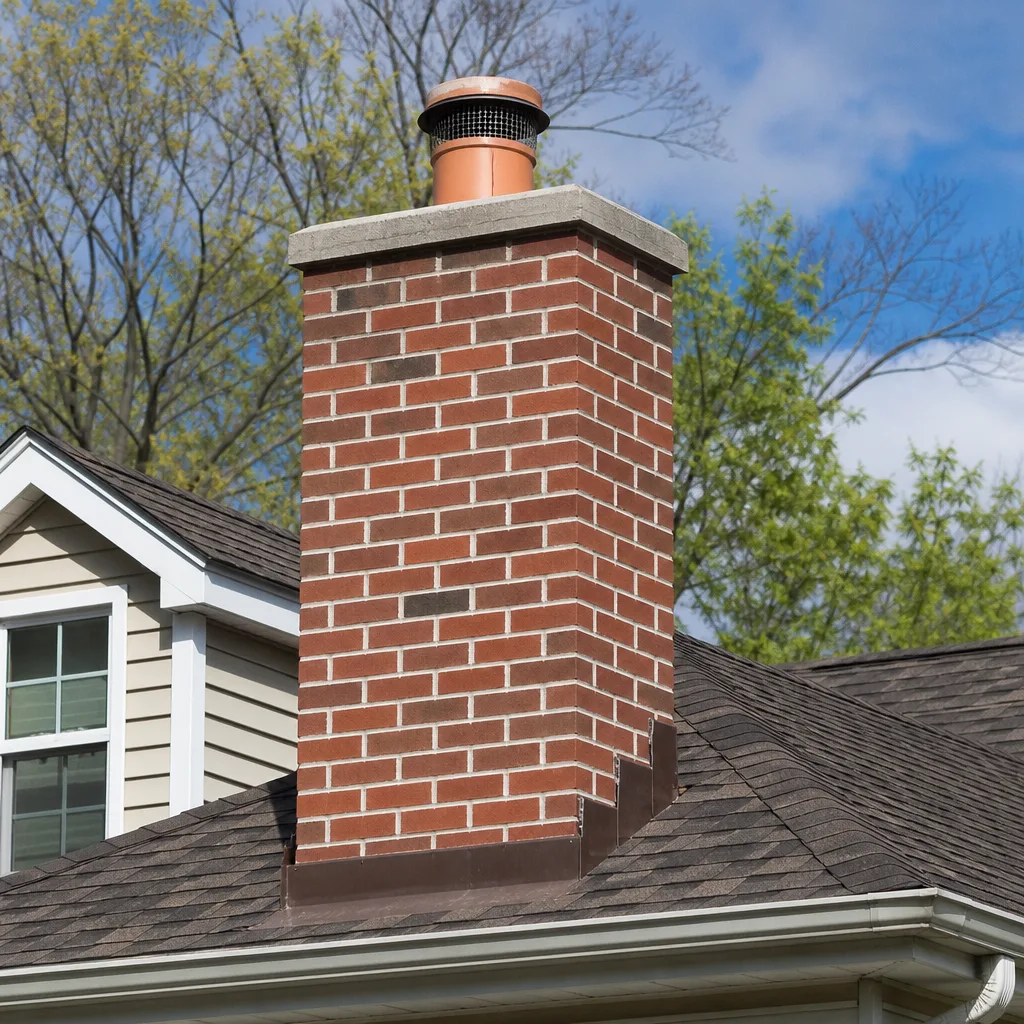
4. Chimney Cap and Spark Arrestor
What to check: From the ground or a window, confirm the cap is present, level, and shows no rust holes or separation from the flue tile.
Pass condition: Cap covers all flue terminals with minimum four-inch overhang. Mesh spark arrestor intact, no gaps larger than half-inch. No rust-through. No animal nesting material visible.
Fail condition: Cap missing, tilted, or separated from flue. Rust holes in mesh or lid. Nesting material, droppings, or debris visible. These conditions allow water, animals, and sparks directly into the flue.
Famco and Gelco caps, the brands we install through Haven’s buying network, use 304 stainless mesh and lid designs that overhang the flue tile by design. A cap that merely sits on top without that overhang is not doing its job in Montgomery County wind and rain.
5. Hearth Extension and Surround Clearance
What to check: Confirm the hearth extension (the non-combustible surface in front of the firebox) extends the required distance, and that no combustible materials have crept closer than code allows.
Pass condition: Hearth extension minimum sixteen inches in front of the opening and eight inches to each side for fireplaces with opening less than six square feet; larger openings require more. No wood flooring, furniture, or stored items within required clearances.
Fail condition: Hearth cracked, chipped, or shortened by renovation. Combustible materials closer than code minimum. These are immediate safety hazards - a single ember on an unprotected wood floor can start a house fire.
Contractor Camera Checks: What Requires Professional Equipment
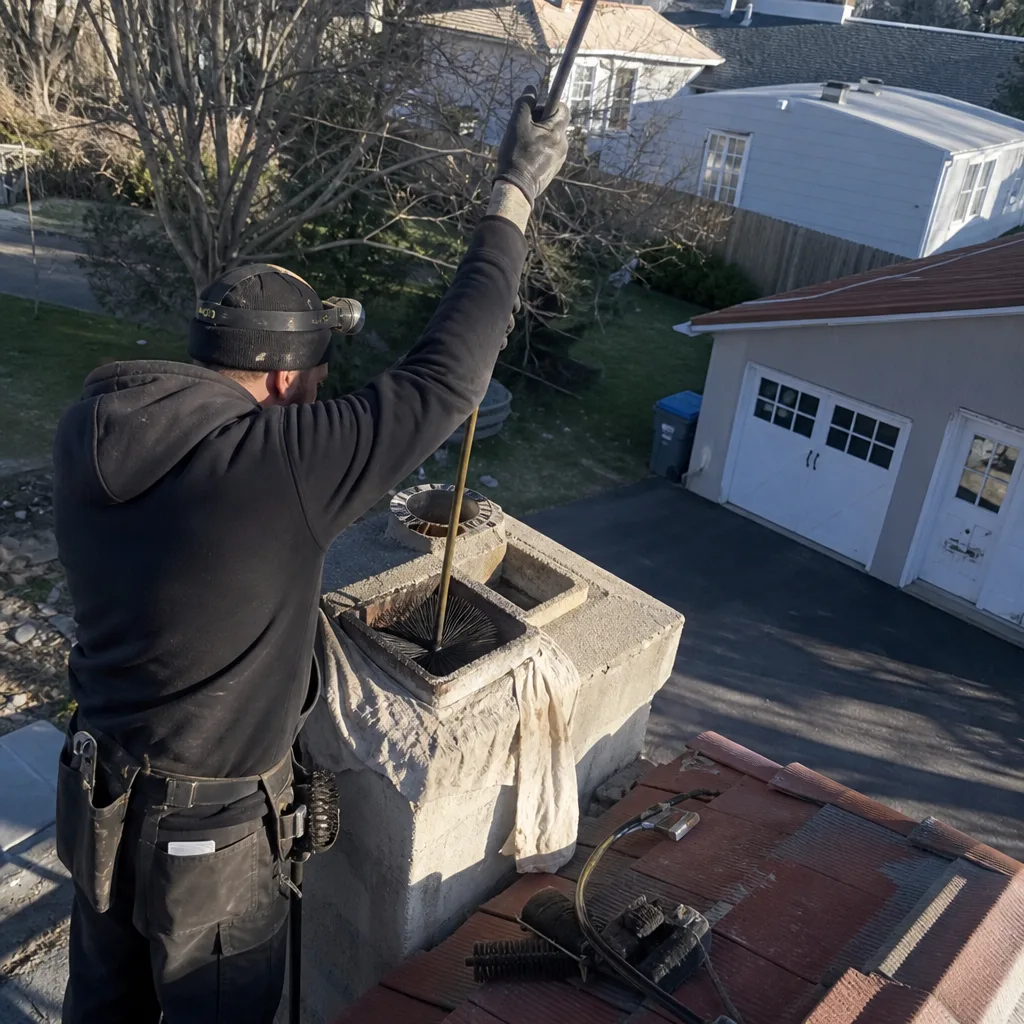
These five checks cannot be done from the ground, from the firebox, or with consumer-grade tools. They require an NFPA 211 Level 2 inspection: a camera sent the full length of the flue, a trained technician interpreting the footage, and a documented photo record. At Emberly Chimney Cleaners Norristown home, this has been our default on every visit since 2009, years before insurers or regulators asked for it - the practice that became Clause 4 of the Haven Standard.
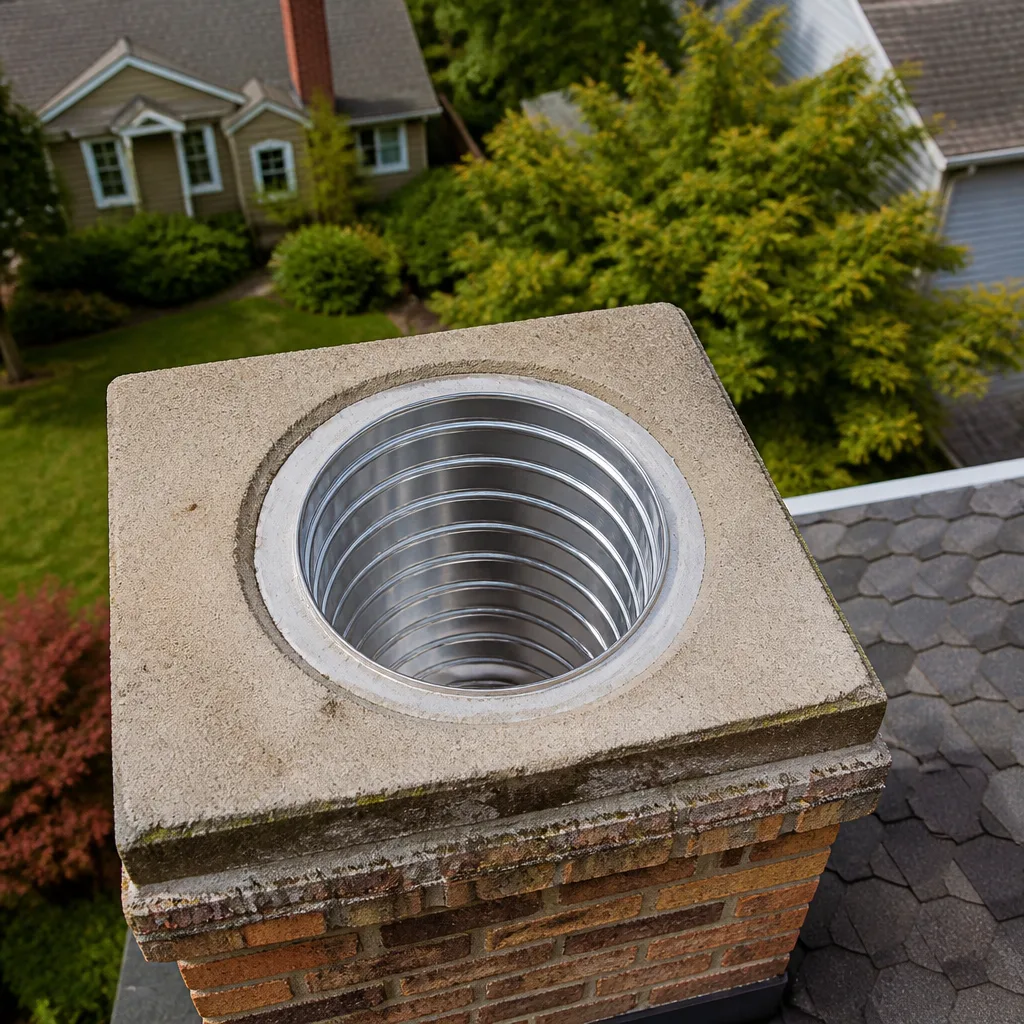
1. Flue Liner Condition
The flue liner is the clay, metal, or cast-in-place conduit that carries combustion gases from the firebox to the cap. It is the single most critical safety component, and it fails in ways invisible from either end.
What the camera finds: Cracked clay tiles, gaps between tile joints, corrosion or separation in metal liners, delamination of cast-in-place systems. Soot and creosote buildup classified by type: flaky Class I, tar-like Class II, or glazed Class III (the most combustible).
Pass condition: Liner continuous and intact from firebox to crown. Joints aligned with no visible gaps. No combustible deposits exceeding one-eighth inch. No structural deterioration.
Fail condition: Any crack penetrating to the outer surface of a clay tile. Any gap between tiles allowing gas migration. Class III creosote buildup of any thickness - this glazed, hardened deposit cannot be removed by brushing alone and requires chemical treatment or rotary equipment. Any deterioration in a metal liner: corrosion, buckling, or separation at joints.
A compromised liner allows heat and combustion gases into the chimney structure itself. In a framed chase or a masonry chimney with deteriorated mortar, this creates both fire risk and carbon monoxide infiltration into living spaces. This is why we do not estimate liner condition from the firebox opening - and why any contractor who does is guessing.
2. Smoke Chamber
The smoke chamber is the inverted funnel above the damper that channels gases into the flue. It is the most neglected area in chimney construction and the most common site of dangerous conditions.
What the camera finds: Corbelled brick with exposed mortar joints, rough parging (the smooth coating that should cover them), or lack of parging entirely. Creosote accumulation on irregular surfaces. Structural cracks.
Pass condition: Smooth or properly parged surfaces with no exposed corbelled edges. No significant creosote buildup. No cracks penetrating to structural masonry.
Fail condition: Exposed corbelled brick with gaps and rough edges - these create turbulence that deposits creosote and restricts draft. Missing or deteriorated parging. Any crack suggesting structural movement. The smoke chamber is not visible from the firebox without a camera angled upward, and it is not accessible for cleaning without specialized tools. For related maintenance advice, browse our more guides & resources.
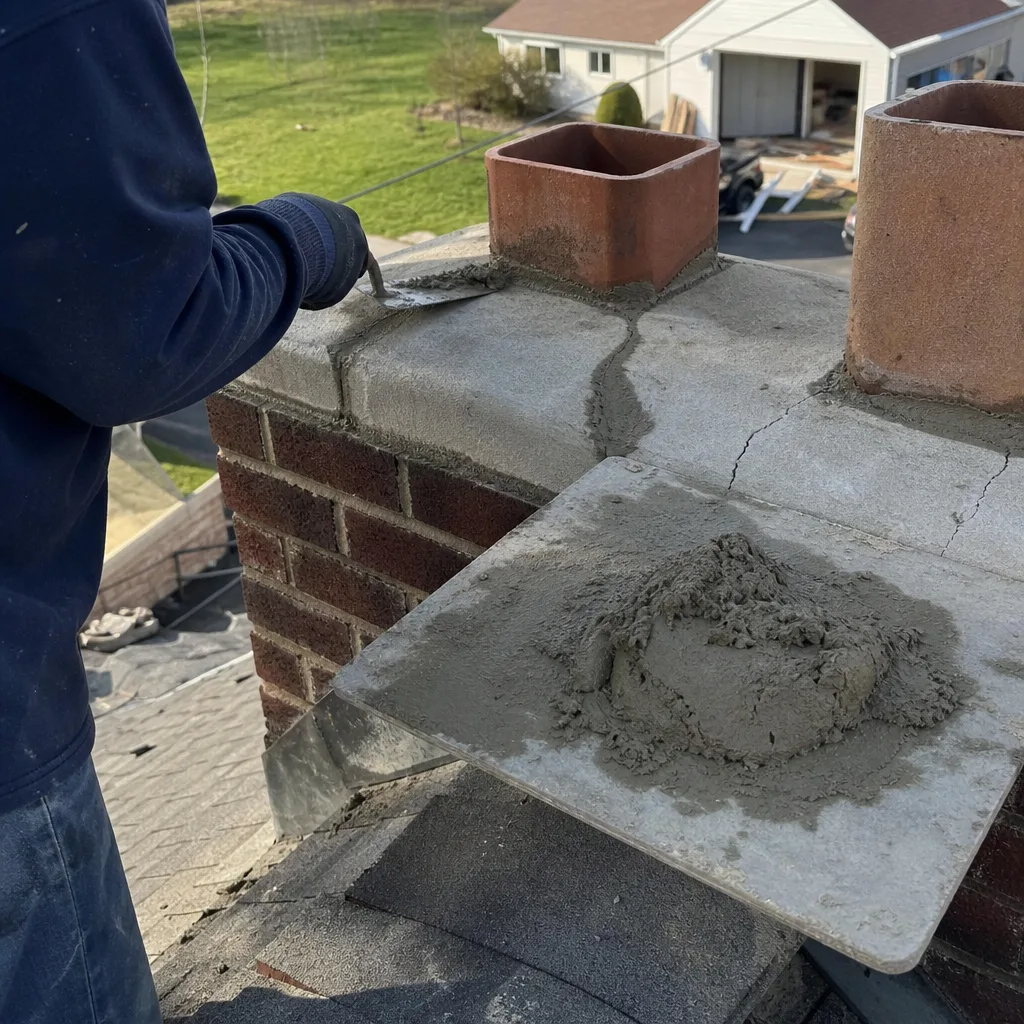
3. Crown and Wash
The crown is the concrete or mortar slab that tops a masonry chimney, sloped to shed water. The wash is a thinner mortar layer serving the same function on some constructions. Both fail from the top down, and the failure propagates water damage through the entire chimney.
What the camera and physical inspection find: Cracks in the crown surface, separation from the flue tile, deterioration of the bond to the brick courses below. On the camera: water staining on the upper flue tiles, indicating crown failure even when the top surface looks intact from above.
Pass condition: Crown intact with no through-cracks. Minimum two-inch overhang past the brick wall. Flue tile projects through crown with proper sealant or gap management. No water staining on upper liner tiles.
Fail condition: Any crack completely through the crown. Crown separated from flue tile, creating a direct water path. Wash deteriorated to exposed brick. Water staining visible on upper liner tiles during camera inspection - this means water has already penetrated and is attacking the liner from the outside.
Norristown’s freeze-thaw cycle is particularly hard on crowns. A crown with hairline cracks in October can be spalling and leaking by March. We schedule crown inspections in late fall before the hard freeze season, because a crown failure discovered in January often means water damage to the liner that grounds the fireplace for repairs.
4. Flashing and Roof Interface
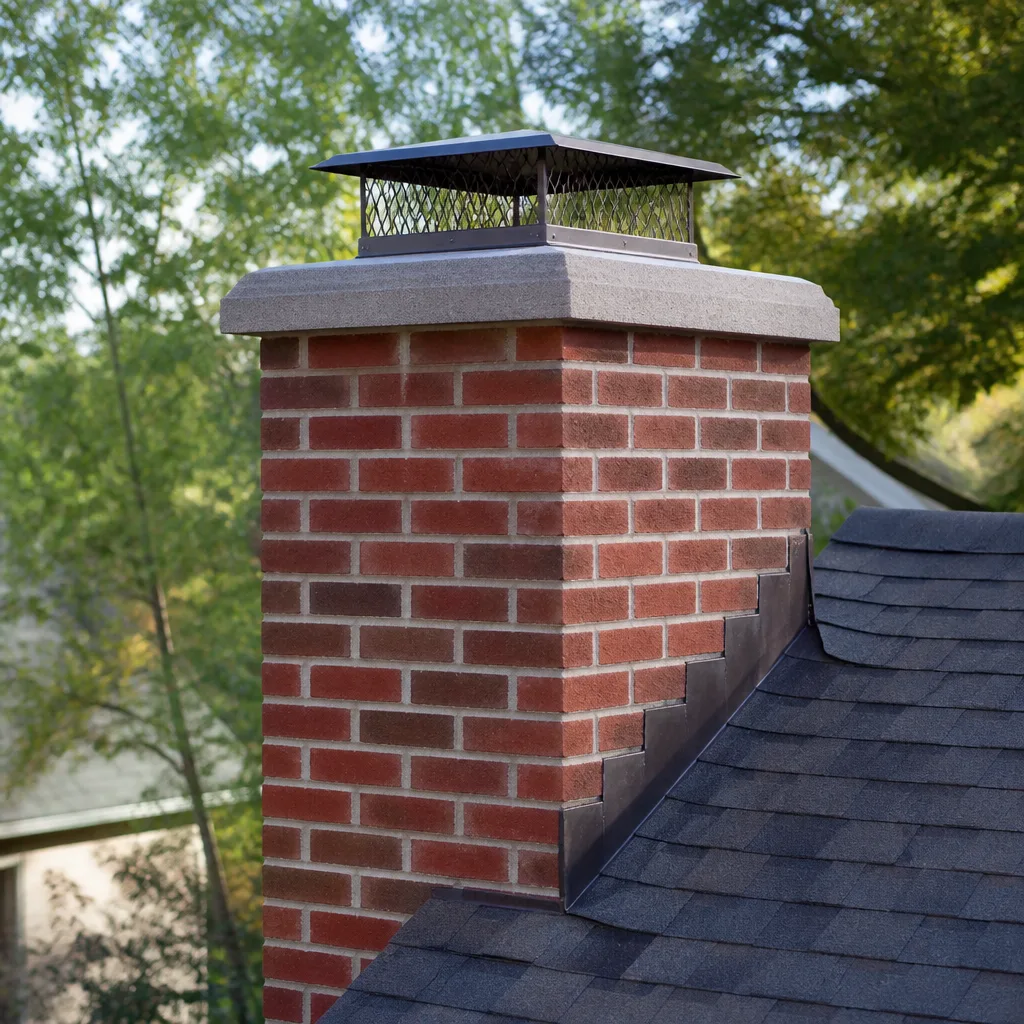
Flashing is the sheet metal assembly that bridges the gap between chimney masonry and roof sheathing. It is the most common leak point in chimney-roof assemblies and the most commonly botched repair.
What physical inspection finds: Separation of step flashing from brick courses, lifted or corroded counter-flashing, deteriorated sealant at the base, rust holes, or improper overlap. On steep-pitch roofs common in Montgomery County’s older neighborhoods, the angle increases both the water velocity and the stress on flashing joints.
Pass condition: Step flashing integrated with each brick course and extending behind siding or counter-flashing. Counter-flashing embedded in mortar joints or properly regletted (cut into the joint). Sealant intact at base. No rust-through. Proper cricket (a small roof structure) installed behind chimneys wider than thirty inches.
Fail condition: Any separation allowing water behind flashing. Rust holes. Missing or improperly installed cricket on wide chimneys. Caulk or tar used as primary waterproofing - these are temporary patches, not proper flashing. Any indication of water staining on attic sheathing or interior ceilings near the chimney.
The steep rooflines in Norristown’s West End and near the Elmwood Park Zoo area concentrate runoff at chimney bases. Flashing here takes more abuse than on low-slope modern construction. We inspect flashing from the roof surface, not from the ground, and we photograph the interface from multiple angles for the documented record.
5. Clearance to Combustibles
This check verifies that the chimney structure maintains required separation from wood framing, insulation, and other combustible materials throughout its concealed portions.
What the camera and selective access find: In attic spaces, the clearance between chimney masonry and wood framing. In framed chases, the air space between metal flue and surrounding structure. In basements, the connection between chimney base and furnace or water heater flues.
Pass condition: Two-inch minimum clearance from masonry to combustibles. Proper clearance from metal flue to chase walls per manufacturer specification. No signs of pyrolysis (heat-induced wood decomposition, which lowers ignition temperature over time). No improper appliance connections.
Fail condition: Any contact or clearance less than code minimum. Signs of charring, discoloration, or pyrolysis on adjacent wood. Improper connection of gas appliance vent to masonry flue - a common and dangerous modification in older homes. These conditions are immediate fire hazards and ground all appliance use until corrected.
Norristown-Specific Risks: Climate, Architecture, and Code
Norristown sits at the confluence of the Schuylkill River and Stony Creek, in a valley that traps moisture and temperature inversions. The local climate and building stock create specific chimney hazards that generic checklists miss.
Freeze-Thaw Spalling
Montgomery County averages twenty to thirty freeze-thaw cycles per winter, with temperatures oscillating above and below thirty-two degrees. Each cycle, water in brick pores expands about nine percent. Over a decade, this pops brick faces off and turns mortar to sand.
Exposed chimneys on homes in Norristown Borough, particularly those above the roofline with no protection from prevailing northwest winds, show spalling rates we do not see in sheltered suburban locations. A chimney in the 19402 zip code with south exposure may last thirty years; the same chimney with north exposure may need rebuilding in fifteen.
The pass-fail condition: any spalled brick face visible from ground level triggers a camera inspection of the crown and liner. Through-wall spalling - where the damage penetrates to the inner wythe (layer) of brick - triggers immediate repair before next burning season.
Steep-Pitch Flashing Failure
The housing stock from the 1920s through 1950s in neighborhoods like West Norriton and East Norriton features roof pitches of eight-twelve to twelve-twelve, steeper than modern construction. Steep pitch increases water velocity at the chimney base and multiplies the stress on flashing step joints.
We see two recurring failure modes: step flashing pulled away from the masonry by ice dam expansion, and counter-flashing that was never properly embedded in a raked mortar joint but simply caulked to the brick face. The caulk fails in two to three years; the repair is often more caulk, which fails again.
Proper repair requires removing the counter-flashing, cutting a reglet (groove) into the mortar joint, and reinstalling with lead or copper counter-flashing embedded in that groove. Materials from Copperfield and Olympia Chimney, sourced through Haven’s buying network, are specified for this work because their gauge and alloy hold the embedment without work-hardening and cracking.
Pennsylvania Disclosure and Insurance Requirements
Pennsylvania’s Real Estate Seller Disclosure Law requires sellers to disclose known defects in “heating, ventilation, and air conditioning systems,” which courts have interpreted to include fireplaces and chimneys. A chimney with known liner damage or fire history not disclosed becomes a post-sale liability.
Homeowner insurance policies increasingly require documented chimney inspection for wood-burning appliance coverage. After a chimney fire, insurers routinely request inspection records for the preceding three years. The documented photo record from each Chimney Cleaning & Sweep in Norristown visit - Clause 4 of the Haven Standard - serves as that documentation.
The Maintenance Calendar: Exact Timing for Each Item
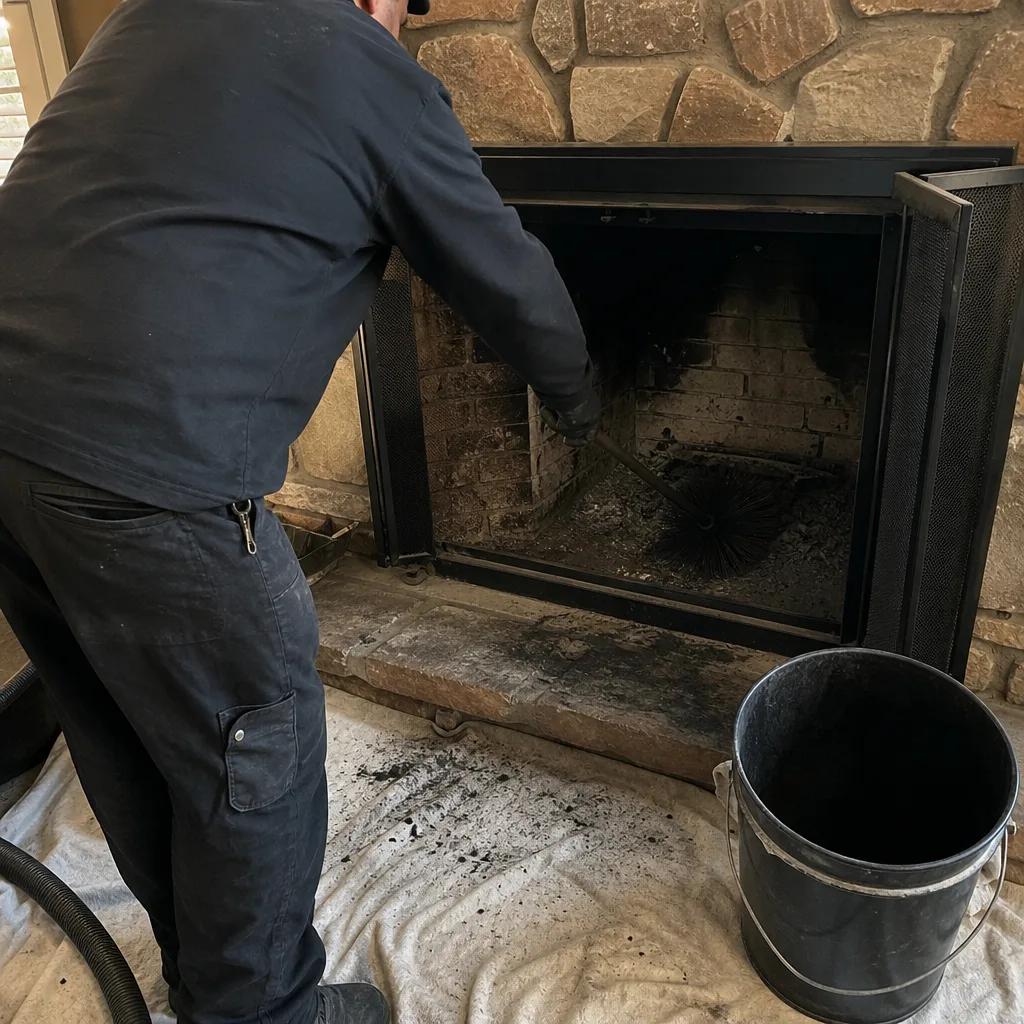
Chimney maintenance is not one annual event. It is a schedule of checks at different intervals, each with its own trigger.
| Item | Frequency | Who Performs | Seasonal Trigger |
|---|---|---|---|
| Firebox visual check | Monthly during burning season | Homeowner | Before first fire, then monthly October-March |
| Damper operation check | Monthly during burning season | Homeowner | Same as firebox |
| Exterior brick ground-level scan | Monthly during burning season; once in spring | Homeowner | Post-winter assessment in March |
| Cap and spark arrestor check | Monthly during burning season; once in spring | Homeowner | Post-winter assessment in March |
| Hearth extension clearance check | Monthly during burning season | Homeowner | Before first fire, after any room rearrangement |
| NFPA 211 Level 2 camera inspection | Annually | Licensed sweep with camera equipment | September, before burning season |
| Chimney sweep/cleaning | Annually, or per cord of wood burned | Licensed sweep | After every two cords of hardwood, or annually if use is lighter |
| Crown and flashing detailed inspection | Annually with Level 2 inspection | Licensed sweep | September, before freeze season |
| Smoke chamber evaluation | Annually with Level 2 inspection | Licensed sweep with camera | September |
| Clearance to combustibles verification | At change of occupancy or appliance; every three years minimum | Licensed sweep with attic access | Upon home purchase, appliance replacement, or renovation |
The September timing is deliberate. It allows any needed repairs to be scheduled and completed before the first hard freeze, which in Norristown typically arrives by late October. It also precedes the seasonal rush when sweep schedules fill and homeowners who delayed inspection discover problems on the first cold night.
For homeowners who burn two or more cords of hardwood per season, we recommend a mid-season sweep in January or February. Hardwoods like oak and maple produce less creosote than softwoods, but volume matters. Two cords of any wood deposit enough combustion byproducts to warrant cleaning in a twelve-month period.
Documentation and Records: What to Keep and Why
A checklist without a record is a memory exercise, and memory fails when you need it most: during an insurance claim, a home sale, or a dispute with a contractor. This section specifies what to document, in what format, and where to store it.
What to Record After Each Professional Visit
- Written scope of work: Exactly what was done - inspection, sweep, repair, or combination. Specific locations (firebox, flue liner, smoke chamber, crown, flashing).
- Written price: The amount charged, itemized if multiple services. This is Haven Standard Clause 1: “Have it in writing” before work starts.
- Photo or video record: Minimum ten images showing condition before and after work, with dated timestamps. Clause 4 of the Haven Standard requires this; we have delivered it on every job since 2009.
- Written warranty: What is guaranteed, for how long, and what triggers it. Our 365-Day Done Right Promise covers any defect in workmanship or materials.
- Technician name and license information: Who performed the work, with license number for verification.
- Recommendations and timeline: Any items identified but not addressed, with explicit guidance on urgency: “before next season,” “within thirty days,” or “immediate.”
Storage Protocol
Keep digital copies in three locations: your homeowner insurance file (cloud or physical), your home sale documentation folder, and a personal backup. Pennsylvania’s statute of limitations for construction defects is twelve years; retain records for at least that period.
Insurers increasingly request chimney inspection records after fire claims. A documented photo record from a recognized sweep company supports your claim. Absent records, insurers may deny coverage based on “failure to maintain” clauses common in homeowner policies.
For home sales, Pennsylvania’s disclosure form asks about “known defects.” A chimney with documented annual inspections and no flagged items supports a clean disclosure. A chimney with no records and visible exterior spalling creates disclosure risk, even if the current owner has never used the fireplace.
Using Your Checklist as a Contractor Conversation Tool
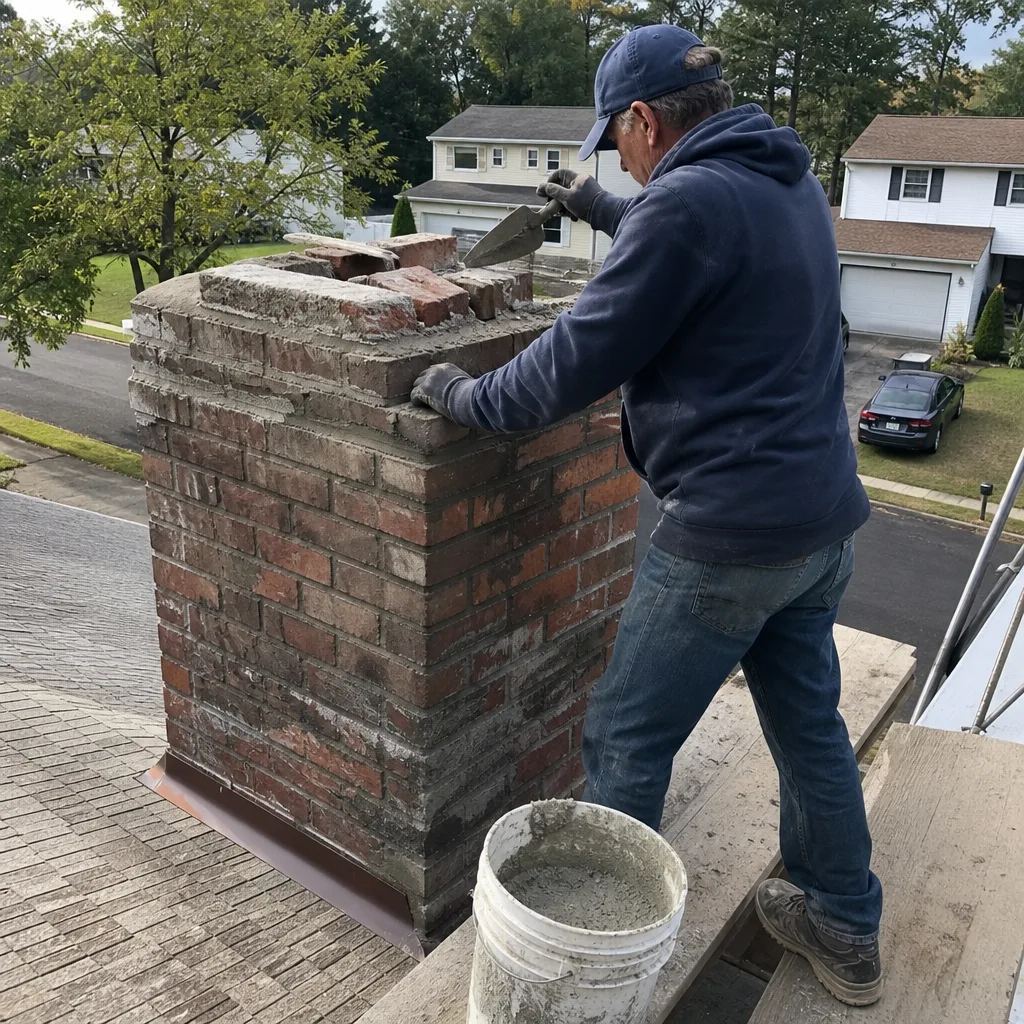
The checklist is not just for your own use. It is a framework for demanding accountability from any sweep or repair contractor. Here is what to ask before work starts and what to verify when it is done.
Before Work Starts
- “Will you perform an NFPA 211 Level 2 inspection with a camera scan of the full flue length?” A flashlight look from the firebox is Level 1; it does not meet the standard for annual maintenance of an actively used fireplace.
- “Will I receive a written price, written scope, and written warranty before any work begins?” This is the core of Haven Standard Clause 1. Verbal estimates that change once the technician is in your home are a known industry problem.
- “What does your photo documentation include, and when do I receive it?” The answer should specify minimum image count, coverage areas, and delivery format and timing. “We’ll email photos within 24 hours” is acceptable; “the tech will show you on his phone” is not.
- “What is your policy if you find conditions beyond the scope of the scheduled work?” The ethical answer: stop, explain, provide written documentation, and offer a separate written estimate. The answer to fear: pressure to authorize immediate additional work without time to consider.
- “Can you provide your license number and proof of insurance?” In Pennsylvania, chimney sweeps are not state-licensed as a standalone trade, but reputable companies hold municipal business licenses and general liability insurance. Verify both.
When Work Is Done
- Verify the photo record matches what was discussed. Images should be dated, show identifying features of your chimney, and cover all areas in the written scope.
- Confirm the written warranty specifies what is covered, for how long, and the process for claims. The 365-Day Done Right Promise covers workmanship and materials; understand what that means for your specific job.
- Ask about any items identified but not addressed, with explicit timeline guidance. A contractor who says “everything looks fine” without documentation is not providing the information you need for next year’s checklist.
- Request the technician’s name and note it in your records. For Chimney Repair in Norristown work, knowing who performed the repair supports warranty claims and allows specific questions if issues arise.
Wait a Season vs. Ground the Fireplace Immediately
Not every checklist failure requires emergency action. Some conditions can be scheduled for repair; others mean no fire until fixed. This distinction saves you from unnecessary panic and from dangerous complacency.
Conditions That Can Wait One Season (With Conditions)
- Class I or II creosote buildup under one-quarter inch: Schedule a sweep before next season, but the fireplace can be used with increased vigilance for remaining fires this season. Burn only seasoned hardwood; no overnight burns.
- Minor spalling on non-structural brick courses: Schedule crown inspection and possible rebuild in spring. Monitor for acceleration. Do not use if water infiltration is evident.
- Cosmetic firebox cracks not penetrating to outer shell: Monitor monthly. Schedule repair if cracks widen or new cracks appear. Not an immediate hazard if the shell is intact.
- Deteriorated but functional damper: If the damper closes and seals adequately for the season, schedule replacement in spring. If it leaks significantly, do not use.
Conditions That Ground the Fireplace Immediately
- Any liner crack or gap: Combustion gases and heat can enter the chimney structure. No use until liner repair or replacement.
- Class III glazed creosote: This hardened, highly combustible deposit cannot be removed by standard brushing. Chemical treatment or rotary equipment is required. Fire risk is elevated; no use until cleaned.
- Water infiltration with visible staining on liner: Indicates crown, flashing, or masonry failure allowing water directly into the flue. Water plus heat equals steam damage and accelerated deterioration. No use until source is identified and repaired.
- Any clearance-to-combustibles violation: Immediate fire hazard. No use until proper clearance is restored.
- Smoke chamber with exposed corbelled brick and significant buildup: Turbulence and creosote accumulation create elevated fire risk. No use until parged and cleaned.
- Any condition following a chimney fire: Even a “small” chimney fire can crack liners and damage mortar. Full Level 2 inspection required before next use.
The decision between “wait” and “ground” should never rest on a contractor’s verbal assurance. It should rest on camera documentation you can see yourself, with the specific condition named and explained in writing. If a contractor says “it’s fine” without showing you the image, that is not a professional opinion; it is an unverified claim.
Common Mistakes to Avoid
- Treating a flashlight look as an inspection. A flashlight from the firebox reveals the bottom six feet of a thirty-foot flue. The remaining twenty-four feet, including the most common failure zones, are invisible without a camera. Any “inspection” without camera documentation is incomplete by NFPA 211 standards.
- Assuming no use means no maintenance. Unused chimneys deteriorate from moisture, freeze-thaw, and animal intrusion. In Norristown’s damp valley climate, a chimney unused for two years often shows more liner damage from condensation than one used regularly with proper drafting.
- Accepting “it needs a new liner” without camera evidence. Liner replacement is a significant expense. Demand to see the crack, gap, or deterioration on camera. At Emberly Chimney Cleaners Norristown, we provide the image, explain what it means, and offer a Free Second Opinion on any competitor’s written estimate - bring us their quote and their photos.
- Ignoring the smoke chamber. This area is invisible without camera angling and commonly neglected even by sweeps who do use cameras. Ask specifically: “Did you camera the smoke chamber, and what did you find?”
- Storing records only with the contractor. Your chimney service keeps records, but companies change ownership, close, or lose files. Maintain your own complete documentation for insurance and disclosure purposes.
- Waiting for the first cold night to schedule. September inspections allow repair scheduling before freeze season. January emergency calls face premium pricing, limited availability, and the discomfort of a cold house while waiting.
- Using the wrong fuel “just once.” Construction debris, painted wood, or Christmas tree branches in the fireplace can ignite creosote deposits and overfire the appliance. One bad burn causes damage that requires professional assessment.
When to Call a Professional
Call a licensed sweep with NFPA 211 Level 2 capability if: your annual inspection is due; you observe any fail condition in your homeowner visual checks; you smell smoke or combustion gases in living spaces; you hear animal activity in the flue; you have had a chimney fire, even one you extinguished yourself; or you are buying or selling a home with a fireplace or solid-fuel appliance.
In Norristown, where the housing stock’s age and the local climate accelerate wear, we recommend conservative scheduling: inspect in September, address findings before first freeze, and schedule mid-season cleaning if you burn more than two cords.
Fireplace Services in Norristown from Emberly Chimney Cleaners Norristown include camera-scan inspection, sweep, repair, and full documentation on every visit. We offer free estimates, and our 365-Day Done Right Promise covers every job. Call (484) 552-9695 to schedule, or bring us a competitor’s written estimate for a Free Second Opinion.
Frequently Asked Questions
A standard chimney sweep with NFPA 211 Level 2 camera inspection in Norristown typically ranges from $250 to $450, depending on flue accessibility, appliance type, and creosote severity. Emberly Chimney Cleaners Norristown provides a written price before any work starts - no exceptions - and includes the documented photo record as standard under Haven Standard Clause 4. Call (484) 552-9695 for an exact quote; estimates are free.
You need a new liner only if the existing one is cracked, gapped, corroded, or otherwise compromised in ways that allow combustion gases to escape the flue. The determination requires camera documentation showing the specific damage, not a verbal claim. We show every homeowner the image, explain what it means, and provide a written scope and price for any recommended work. If another company has recommended liner replacement, bring us their written estimate and photos for a Free Second Opinion.
Annually for any actively used wood-burning fireplace or stove, per NFPA 211. If you burn more than two cords of hardwood per season, schedule a mid-season sweep. In Norristown’s climate, where temperature inversions can reduce draft efficiency, more frequent cleaning may be warranted if you notice smoking back into the room or difficulty starting fires. Gas fireplaces require annual inspection but typically less frequent sweeping; the schedule depends on appliance type and venting configuration.
Skipped maintenance leads to creosote accumulation, which increases chimney fire risk; liner deterioration, which allows carbon monoxide and heat into structural spaces; and moisture damage, which accelerates masonry decay. In Pennsylvania, insurers may deny fire claims if inspection records are absent. Home sellers face disclosure liability for known defects not documented or disclosed. The cost of deferred maintenance typically exceeds the cost of annual service by a factor of five to ten when failure finally occurs.
Homeowners can remove minor ash and debris from the firebox and perform the visual checks in this guide. Flue cleaning requires specialized brushes, rods, and vacuum equipment, and the roof work to access the flue top involves fall risk on steep pitches common in Norristown’s older neighborhoods. More critically, without a camera inspection, you cannot verify that cleaning removed all hazardous deposits or identify liner damage hidden by soot. Professional service includes the documentation that protects your insurance coverage and supports home sale disclosure.
The Haven Standard is the operating framework Emberly Chimney Cleaners has used since 2009, codified in five clauses: written price before work starts (Clause 1), verified background-checked technicians who arrive on schedule (Clause 2), satisfaction guaranteed or we make it right (Clause 3), documented photo record on every visit (Clause 4), and materials sourced through Haven’s buying network to keep prices honest (Clause 5). It matters because it replaces verbal promises with documented commitments, giving homeowners verifiable standards for contractor accountability.
The Bottom Line
A chimney maintenance checklist earns its name only when it separates what you can verify from what requires professional equipment, assigns each item a pass-fail condition, and produces a record you can use for insurance, disclosure, and contractor accountability. In Norristown’s climate and housing stock, the stakes are specific: freeze-thaw damage accelerates masonry decay, steep rooflines stress flashing systems, and Pennsylvania’s disclosure laws make documentation a financial protection, not a formality. Do your monthly visual checks. Schedule your annual Level 2 inspection in September. Demand camera documentation, written pricing, and a warranty in writing. Store your records where they survive company changes and support your interests when you need them.
Written by Corrine Halstead, Owner at Emberly Chimney Cleaners Norristown, serving Norristown since 2009.